
Key Takeaways
- Heat Loss is Substantial: Gas fire pits lose 80-90% of generated heat to convection in open-air settings, delivering only 10-20% as usable radiant heat regardless of fuel type.
- Natural Gas Offers Superior Economics: Natural gas costs 65-70% less per hour than propane for identical BTU output, saving commercial installations nearly $4,000 annually at 1,000 operating hours.
- BTU Ratings Measure Consumption, Not Effectiveness: Higher BTU ratings indicate fuel consumption rate rather than heating performance—select burner capacity based on space requirements, not maximum output.
- Commercial Fire Pits Deliver Fast ROI: Payback periods range from 12-24 months, with high-traffic venues achieving returns in 12-18 months through increased dwell time and customer spending.
- Alternative Fuels Support Green Building Goals: Bioethanol and electric fire pits contribute to LEED, CALGreen, and WELL certifications while offering lower emissions and renewable energy integration opportunities.
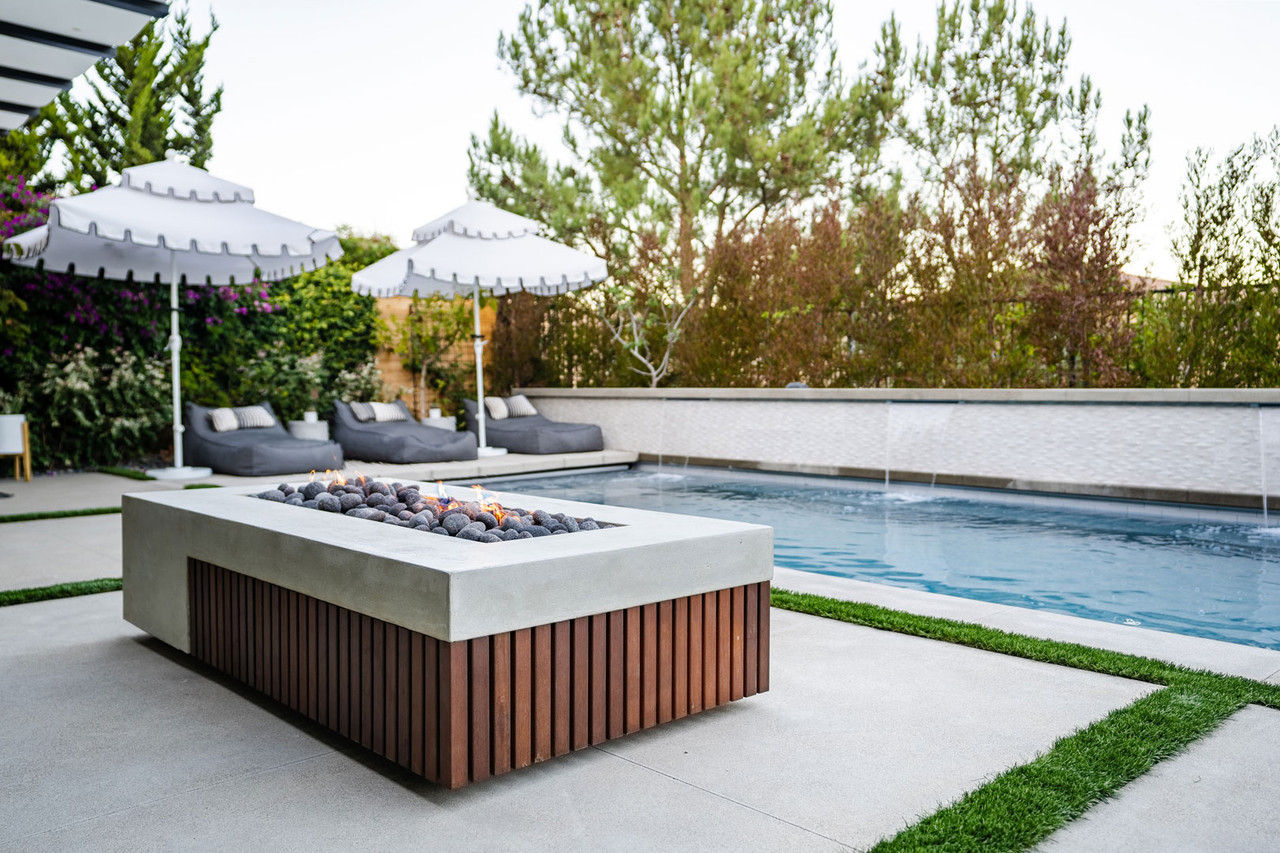
Gas fire pits deliver reliable outdoor heating for residential and commercial projects, but gas fire pit efficiency can vary significantly by fuel type, installation quality, and operational practices. Trade professionals need accurate performance data to guide client decisions on fuel selection, system sizing, and long-term operating costs. Having a fire pit table adds both functionality and style, allowing clients to enjoy warmth and ambiance while offering a convenient surface for entertaining.
This analysis examines gas fire pit efficiency compared to alternative heating solutions, including combustion performance, fuel consumption patterns, and lifecycle costs. Understanding these efficiency factors enables architects, contractors, and hospitality designers to optimize installations for maximum performance while controlling energy expenses, especially when incorporating fire pit tables into outdoor living spaces.
The following sections provide quantitative metrics and practical guidance for specifying efficient luxury fire pit systems across diverse project applications.
Are Gas Fire Pits Energy Efficient?
Gas fire pits deliver excellent combustion efficiency but face significant heat loss in outdoor applications. Understanding these efficiency metrics helps trade professionals make informed recommendations for residential and commercial projects.
What is the Energy Efficiency of Gas Fire Pits Compared to Other Fire Pit Types?
Gas fire pits achieve over 95% combustion efficiency for both natural gas and propane, converting fuel to heat with minimal waste. However, alternative fuel types offer distinct environmental advantages. Bioethanol fire pits produce 58% lower emissions than natural gas while burning cleanly—generating only water vapor, heat, and minimal CO₂. Electric fire pits with renewable energy sources eliminate emissions entirely, using infrared heating elements without open flames.
How Does Gas Fire Pit Efficiency Impact Outdoor Heating Projects?
Gas fire pits lose 80-90% of generated heat to atmospheric convection in open-air settings, delivering only 10-20% as usable radiant heat. This heat loss pattern applies equally to natural gas and propane installations—both deliver the same radiant heat percentage regardless of fuel type. Trade professionals must account for this efficiency limitation when sizing units and setting client expectations for outdoor heating performance.
What Factors Affect Gas Fire Pit Efficiency?
Fuel type and burner specifications determine both performance capabilities and operational costs. These factors guide proper unit selection for specific project requirements.
How Does Fuel Type Influence Gas Fire Pit Efficiency?
Natural gas contains approximately 1,030 BTU/ft³ while propane delivers 2,516 BTU/ft³—making propane 2.5 times more energy-dense per unit volume. This energy density advantage makes propane the more portable fuel source, ideal for locations without natural gas infrastructure. Both fuels achieve identical combustion efficiency, but propane's concentrated energy content requires less volume to produce equivalent heat output.
What Role Do Burner Design and Size Play in Gas Fire Pit Efficiency?
Residential fire pits typically operate between 30,000-60,000 BTU/hr, while commercial units exceed 250,000 BTU/hr for larger spaces. BTU ratings indicate fuel consumption rate rather than heating effectiveness—higher ratings consume more fuel without necessarily improving radiant heat delivery. Trade professionals should select burner capacity based on space requirements and usage patterns rather than pursuing maximum BTU output.
How to Achieve Efficient Fire Pit Operation?
Proper installation, maintenance, and compliance protocols maximize performance while ensuring safety. Strategic material selection further enhances long-term efficiency and sustainability.
What Are Best Practices for Operating Gas Fire Pits Efficiently?
Commercial installations must comply with ICC and NFPA safety standards plus local fire marshal requirements. Proper ventilation and clearances are critical for safe operation—inadequate spacing compromises both safety and heat distribution. Trade professionals should verify code compliance before finalizing installation plans to avoid costly modifications.
How Can Trade Professionals Optimize Gas Fire Pit Energy Usage?
Professional installation is required for commercial fire pits, particularly for natural gas line connections that demand licensed expertise. Regular maintenance ensures safe and reliable operation while preventing efficiency loss from clogged burners or damaged components. Fire pits constructed from recycled materials—including reclaimed steel and recycled concrete—reduce environmental impact without compromising performance, offering sustainability benefits for green building projects.
Gas Fire Pit Fuel Consumption: What to Expect?
Fuel consumption patterns vary widely based on installation type and frequency of use. Understanding these consumption metrics helps trade professionals provide accurate cost projections to clients.
How Much Fuel Does a Gas Fire Pit Consume on Average?
Commercial fire pits operate approximately 1,000 hours per year as an industry benchmark. Consumption varies significantly by usage pattern—residential installations see occasional evening use while commercial venues run units during all operating hours. Trade professionals should assess client usage schedules to calculate realistic fuel consumption estimates rather than relying on generic projections.
What Are the Key Considerations for Managing Fire Pit Fuel Consumption?
Natural gas line installation carries higher initial costs than propane setup, but fuel savings offset this investment over the fire pit's lifespan. Total cost of ownership favors natural gas, especially in commercial applications with high usage frequency. Trade professionals should present lifecycle cost analysis to clients rather than focusing solely on upfront installation expenses.
Gas Fire Pit Operating Costs and Long-Term Savings
Operating costs represent the primary differentiator between fuel types over a fire pit's lifetime. Long-term savings calculations guide fuel selection decisions for cost-sensitive projects.
What Are the Operating Costs of Gas Fire Pits for Residential and Commercial Use?
Natural gas costs 65-70% less per hour than propane for identical BTU output. Commercial installations operating 1,000 hours annually save nearly $4,000 with natural gas versus propane—a substantial reduction that improves project ROI. Residential installations with lower usage hours see proportionally smaller but still significant savings, making natural gas the economical choice where infrastructure access exists.
How Do Gas Fire Pit Operating Costs Compare to Traditional Wood Fire Pits?
Wood fire pits require ongoing fuel purchases, ash disposal, and chimney cleaning that add hidden costs beyond initial firewood expenses. Gas systems eliminate ash cleanup and reduce maintenance requirements while providing instant ignition and consistent heat output. Trade professionals should factor labor costs and convenience benefits when comparing total operating expenses between fuel types, as maintenance time impacts commercial venue efficiency.
Fire Pit Energy Saving Tips for Trade Professionals
Strategic fuel selection and installation planning reduce long-term energy costs while improving project sustainability. Understanding payback periods helps justify initial investments to cost-conscious clients.
How Can Trade Professionals Reduce Energy Waste in Gas Fire Pits?
Bioethanol fire pits eliminate venting requirements, functioning both indoors and outdoors without heat loss through exhaust systems. Electric fire pits integrate with renewable energy sources like solar power, converting sustainable electricity directly to heat with zero fuel costs. Both options work beautifully as a fire bowl for pools, where proximity to water features makes clean-burning fuel sources especially appealing. Trade professionals should present these alternatives for projects prioritizing energy efficiency or lacking natural gas access.
What Are Effective Fire Pit Energy Saving Tips for Long-Term Cost Reduction?
Commercial fire pits achieve payback periods of 12-24 months in typical installations through increased customer spending and extended operating seasons. High-traffic commercial venues see payback periods as short as 12-18 months, making fire pits financially attractive amenities. Trade professionals should calculate project-specific payback timelines based on venue traffic patterns and local climate to demonstrate ROI potential during client consultations.
Comparing Gas Fire Pit Efficiency with Other Outdoor Heating Solutions
Direct comparisons between heating technologies reveal distinct performance characteristics and operational tradeoffs. These differences inform appropriate technology selection for specific project contexts.
How Do Gas Fire Pits Compare with Electric Heaters in Terms of Efficiency?
Electric fire pits offer the highest level of convenience and safety among heating options, requiring only electrical connection without fuel handling or combustion management. Energy consumption measures in kWh rather than BTU, simplifying integration with building electrical systems and renewable energy sources. Electric units use LED lights to simulate flames, providing visual ambiance without actual combustion—ideal for enclosed spaces with ventilation restrictions.
Are Gas Fire Pits More Energy Efficient Than Propane or Wood-Burning Fire Pits?
Natural gas and propane deliver identical combustion efficiency above 95%, converting fuel to heat with equal effectiveness. The primary efficiency difference lies in fuel cost per BTU rather than heat delivery performance—natural gas costs significantly less despite matching propane's combustion rate. Wood-burning fire pits require manual fuel loading and produce variable heat output with higher particulate emissions, making gas options preferable for commercial applications requiring consistent performance and clean combustion.
Conclusion and Final Thoughts on Gas Fire Pit Efficiency
Gas fire pits deliver measurable performance advantages across residential and commercial applications. Strategic implementation maximizes both energy efficiency and business outcomes.
Is a Gas Fire Pit the Right Choice for Energy-Conscious Outdoor Projects?
Eco-friendly fire pits contribute to LEED, CALGreen, and WELL certifications through sustainable fuel selection and efficient operation. Bioethanol and electric options earn points for renewable energy use while meeting strict green building requirements. Electric fire pits specifically improve indoor air quality metrics for projects targeting premium certification levels—making them strategic choices for sustainability-focused developments.
How Can Trade Professionals Leverage Gas Fire Pit Efficiency for Client Satisfaction?
Fire pits increase customer dwell time by 20-40% in commercial settings, directly impacting revenue through extended stays. Venues with fire pits see 15-25% increases in per-customer spending plus 30-60 additional operating days annually in temperate climates. ROI extends beyond fuel efficiency to customer experience and overall satisfaction—making fire pits valuable amenities that justify initial investment through measurable business performance improvements.
Get Expert Guidance on Your Next Fire Pit Project
Trade professionals need a trusted partner for efficient fire pit installations, and So-Cal Fire Pits is here to provide just that. We offer comprehensive technical support, product specifications, and installation guidance for residential and commercial projects throughout Southern California.
Whether you're specifying a single residential unit, recommending a high end rectangle fire table for a modern patio redesign, or planning a large-scale hospitality installation, our expert resources simplify project planning and execution. Contact us today for tailored advice, installation best practices, and product recommendations designed specifically for trade professionals. Let SoCal Fire Pits be your go-to partner for your next outdoor heating project.