
Key Takeaways
- Three-Zone Framework: Successful fire pit integration requires dedicated zones for the fire feature, seating area (3-4 feet from flame), and safety clearance (minimum 10 feet from structures with non-combustible base extending 2-3 feet).
- Material Selection Drives Performance: Concrete and stone offer design flexibility with thermal insulation, while Corten steel and copper provide weathering patinas. Heavy-gauge metals prevent warping; commercial applications demand premium specifications for intensive use.
- Strategic Placement Maximizes Function: Position fire pits considering prevailing wind direction for smoke management, sightline optimization for views, and circulation patterns that maintain conversation flow without bottlenecks.
- Technology Integration Enhances Commercial Viability: Smart controls, automation systems, and entertainment features (synchronized LED lighting, weatherproof audio) increase dwell time and guest satisfaction in hospitality applications.
- Year-Round Design Extends ROI: Proper material selection, professional installation addressing drainage and grading, and weather protection elements transform fire pits from seasonal accessories into functional gathering spaces across all climate conditions.
Fire pits anchor outdoor rooms with fire pits by establishing functional zones, controlling circulation, and creating year-round gathering spaces. For landscape architects and designers, proper integration requires understanding placement principles, material performance, and code compliance that separates basic installations from exceptional outdoor living environments.
This guide addresses critical design decisions—from three-zone spatial frameworks and optimal clearances to fuel type selection and technology integration. Commercial and hospitality applications demand additional considerations around automation, durability specifications, and statement presence that withstands intensive use.
Whether designing intimate residential retreats or high-traffic hospitality spaces, successful fire pit integration, such as choosing the right luxury fire pit table for outdoor living space, transforms hardscape into cohesive outdoor rooms that extend living space beyond the building envelope while maintaining safety, functionality, and aesthetic impact.
How to Create Outdoor Rooms with Fire Pits?
Outdoor rooms extend living space beyond the home's footprint, and fire pits anchor these spaces with functional warmth and visual focus. Proper integration transforms basic hardscape into distinct zones for entertainment, dining, and relaxation.
Why Outdoor Room Fire Pits Are Essential for Modern Living Spaces
Fire pits serve as natural anchors that define outdoor rooms through enclosure and intimacy. The arrangement of seating, pathways, and landscape elements around the fire feature establishes the space's character and function. This concept has become foundational in contemporary landscape design, where the fire pit creates hierarchy and purpose within the outdoor environment.
Space allocation differs dramatically between standalone fire pit installations and fully integrated outdoor rooms. The latter requires coordinated zoning that addresses circulation, furniture placement, and safety clearances while maintaining the fire feature as the primary focal point.
Key Design Elements for Integrating Fire Pits into Outdoor Rooms
Successful integration follows a three-zone framework: the fire feature itself, a comfortable seating area, and a designated safety zone. This structure ensures both functionality and code compliance while establishing the fire pit as the central anchor point. The complete fire pit area typically spans 12-15 feet across to accommodate these zones properly.
Clear circulation routes connecting to existing patios, decks, or outdoor kitchens create natural, inviting flow patterns. These pathways must account for furniture clearances and guest movement while directing focus toward the fire feature. Proper routing prevents bottlenecks and maintains the outdoor room's spatial integrity.
What Are the Core Principles of Outdoor Room Design with Fire Pits?
Core principles balance site conditions, proportional scale, and spatial organization. Fire pit placement must address wind patterns, sightlines, and circulation while maintaining appropriate clearances and creating distinct functional zones.
How to Harmonize Fire Pit Features with Your Outdoor Living Space
Position fire pits to capture sunset views or overlook gardens for layered visual interest beyond the flame itself. Prevailing wind direction determines placement—smoke must carry away from seating areas to maintain guest comfort and usability. Smart placement also creates natural circulation patterns that keep conversations uninterrupted while allowing easy movement through the space.
Scale fire pits to yard proportions for balanced composition. Massive stone installations anchor large backyards effectively but overwhelm smaller spaces. Balance convenience with safety by considering proximity to the main house—closer placement improves accessibility but requires stricter adherence to clearance requirements and code minimums.
Using Fire Pit Room Dividers to Enhance Privacy and Comfort
Fire features function as spatial dividers that define distinct zones within outdoor living areas without creating hard barriers. Strategic placement establishes boundaries between dining, lounging, and circulation spaces while maintaining visual connection across the room. The arrangement of seating and landscape elements around the fire pit reinforces these boundaries and creates room definition.
This approach maintains smooth movement throughout the space while providing separation between activity zones. The fire feature acts as both focal point and organizational device, anchoring each zone while allowing flexible use patterns across the outdoor room.
How to Select the Right Fire Pit for Your Outdoor Living Room?
Fire pit selection hinges on fuel type, dimensions, material performance, and aesthetic alignment with the overall design intent. Guest capacity, maintenance preferences, and installation constraints determine appropriate specifications.
Propane vs. Gas: What Works Best for Outdoor Living Rooms?
Gas and propane fire pits offer convenience with minimal smoke and ash production, making them ideal for frequent use and tighter quarters. These systems can replicate traditional wood-burning aesthetics while delivering push-button functionality. Traditional wood-burning options provide authentic ambiance and fuel flexibility but require active management and ash removal.
Ethanol fire pits from manufacturers like Ecosmart Fire provide ventless, clean-burning alternatives suited to urban rooftops and contemporary patios. These units eliminate gas line requirements and offer installation flexibility, though heat output prioritizes ambiance over warmth. Fuel choice ultimately balances operational convenience against desired experience and site constraints.
Size, Style, and Materials for a Perfect Fire Pit in Your Outdoor Room
Fire features typically measure 3-5 feet in diameter, with sizing driven by guest capacity—intimate four-person gatherings require different proportions than entertainment spaces hosting twelve. Scale directly impacts spatial layout and determines whether the design emphasizes intimacy or social accommodation.
Material selection addresses durability, aesthetics, and thermal performance. Concrete and natural stone (granite, slate) offer exceptional longevity and design flexibility, with concrete accommodating complex geometries and insulating layers. Steel options include stainless for rust resistance, Corten for evolving patina and industrial character, and copper for high conductivity and distinctive aging. Fire-rated brick and pavers enable intricate patterns while resisting heat-induced cracking.
Style ranges from handcrafted copper or steel bowls with sculptural presence to modern geometric forms in concrete or steel, and traditional round configurations offering timeless versatility. Premium manufacturers like Nisho deliver architectural concrete pieces with brutalist refinement, while Paloform specializes in meditative Corten and concrete forms. AK47 Design produces Italian-made statement pieces, often integrating seating or storage. HPC provides high-output burner systems for custom applications requiring precise fire control and technical performance.
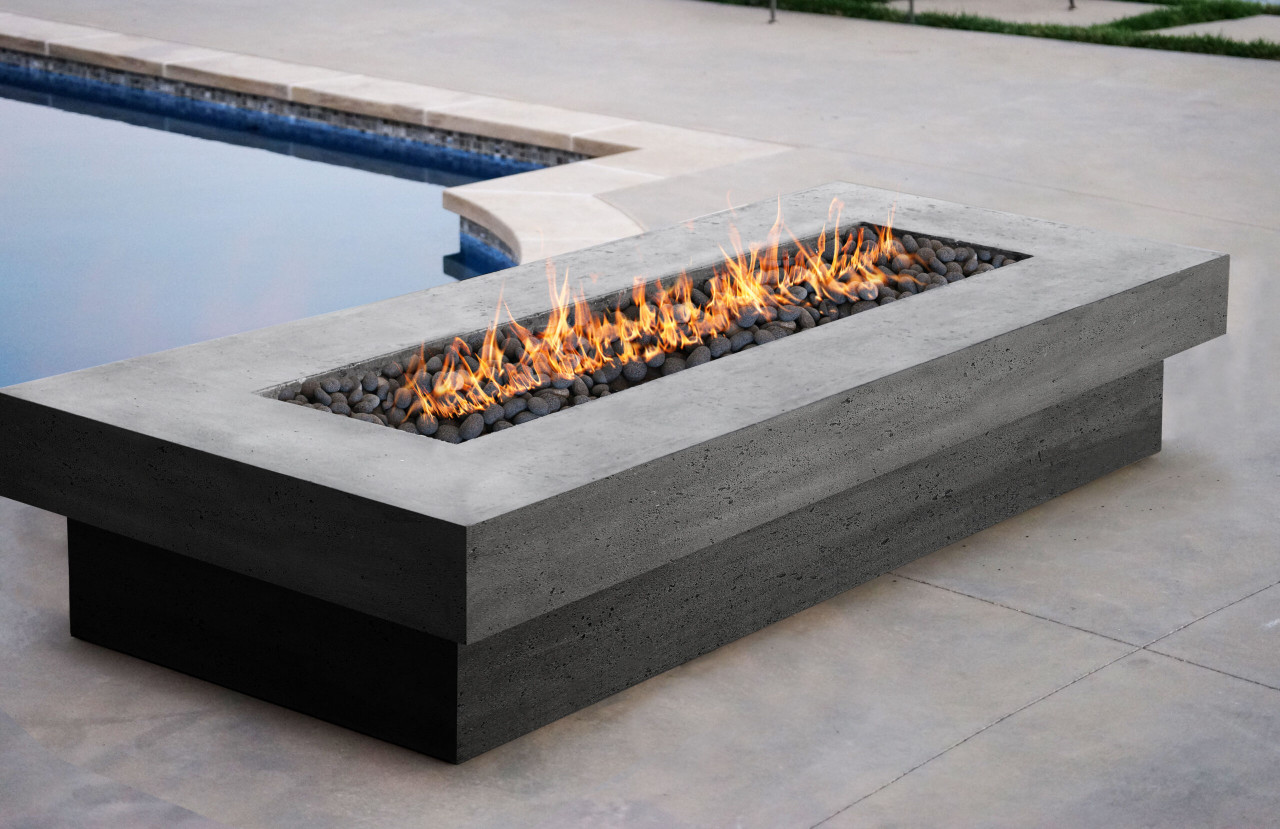
One of the benefits of rectangular fire pit tables is their ability to provide a larger surface area, making them ideal for creating functional outdoor dining or conversation areas, while still offering the visual impact of a statement piece.
How Do Fire Pits Transform Your Outdoor Living Space?
Fire pits establish functional hierarchy and sensory experience within outdoor environments. Proper spatial planning and complementary design elements elevate basic installations into cohesive living spaces suited for extended seasonal use.
Creating a Cozy and Functional Fire Pit Outdoor Living Space
Optimal seating placement occurs 3-4 feet from the fire—close enough for warmth without excessive heat intensity. Walkway clearances of 3 feet behind seating ensure unobstructed movement and prevent bottlenecks during gatherings. Design configurations must accommodate both intimate four-person conversations and larger entertainment scenarios, requiring flexible furniture arrangements or zone-specific seating solutions.
Integration with modular outdoor kitchen elements creates unified spaces for cooking, dining, and socializing. This approach consolidates utilities, improves circulation efficiency, and reinforces the fire pit's role as the central gathering anchor within a multi-functional outdoor room.
Elevating Ambiance with the Right Fire Pit and Furniture Choices
Ambient lighting frames the fire pit area and extends usability beyond flame-lit hours. Strategic placement of fixtures highlights architectural features, defines boundaries, and creates layered illumination that complements firelight. Fire-resistant plant selections provide softscape integration without compromising safety clearances or requiring excessive maintenance.
Personalization occurs through decorative fire glass, custom stone surrounds, and finish selections that align with existing outdoor décor. These elements refine the installation's character without altering core functionality, allowing owners to adapt aesthetics as design preferences evolve while maintaining the fire feature's structural integrity.
What Are the Best Outdoor Room Design Ideas with Fire Pits?
Successful outdoor room design integrates fire features with seating, lighting, audio, and landscape elements to create layered, multi-sensory environments. Configuration choices balance aesthetic impact with functional performance for varied gathering types.
Mixing Fire Pit Elements with Lounge Seating for a Relaxing Retreat
Seating configurations include built-in masonry benches, flexible modular arrangements, or conversation-focused groupings that adapt to guest counts and gathering formats. Handcrafted fire features prioritize both sculptural presence and heat distribution, ensuring visual appeal supports functional comfort. Some installations integrate seating directly into the fire pit structure or include attached tables, consolidating furniture and eliminating loose components.
Balance aesthetic ambitions with practical performance—dramatic forms must still deliver adequate warmth and accommodate traffic flow. Configuration flexibility allows the space to transition from intimate evenings to larger entertainment scenarios without compromising circulation or comfort standards.
Incorporating Lighting, Furniture, and Greenery to Complement Your Fire Pit
Customizable LED systems synchronized with fire features create dynamic lighting effects that shift with time of day or gathering mood. Strategically positioned weatherproof speakers deliver immersive audio without visible equipment clutter. Advanced systems offer sound-reactive flames and built-in speaker integration for cohesive entertainment experiences that extend beyond basic fire-and-seating arrangements.
Water feature integration introduces striking visual and auditory contrast—the interplay between fire and water adds dynamic interest while creating natural focal points. This pairing requires coordinated design to ensure both elements complement rather than compete, with proper separation distances and unified material palettes maintaining spatial coherence across the outdoor room.
How to Use Fire Pits as Room Dividers in Outdoor Spaces?
Fire pits function as permeable boundaries that separate activity zones without creating hard barriers. This approach maintains visual connection and circulation flow while establishing distinct functional areas within larger outdoor environments.
Using Fire Pit Room Dividers to Define Different Zones in Your Outdoor Room
Fire features serve as functional dividers that establish boundaries between dining, lounging, and circulation zones while preserving spatial flow. Strategic placement creates implied separation without physical walls—the fire pit's presence and surrounding seating naturally delineate territory and define use patterns. This technique works particularly well in larger outdoor rooms where dining areas require separation from lounge spaces but complete enclosure would fragment the environment.
The divider function relies on the fire pit's footprint and heat radius to create natural boundaries. Guests instinctively organize around the warmth, establishing informal zones that shift with gathering size and format while maintaining the fire feature as the organizational anchor.
Benefits of Fire Pits as Functional and Aesthetic Dividers for Outdoor Spaces
Fire pit dividers create visual separation without obstructing sightlines entirely, preserving openness while defining territories. The feature provides warmth to multiple zones simultaneously, serving adjacent areas without requiring duplicate installations. This dual-purpose function addresses both spatial organization and environmental comfort within a single design element.
The approach maintains an open, connected atmosphere while establishing clear functional zones. Unlike solid walls or heavy plantings, fire pit dividers preserve visual continuity across the outdoor room, allowing hosts to monitor multiple areas and guests to interact across zones. The result balances definition with accessibility, creating structured spaces that remain flexible for varied gathering types.
What Are the Safety and Maintenance Considerations for Outdoor Room Fire Pits?
Safety compliance and proper maintenance protect property, ensure code adherence, and extend installation lifespan. Clearance requirements, operational protocols, and material care determine long-term performance and liability exposure.
Ensuring Safety When Installing Fire Pits in Outdoor Rooms
Maintain minimum 10-foot clearances from structures, fences, and decks—municipal codes vary but typically enforce this standard or stricter requirements. Verify local regulations before installation, as property line setbacks and overhead clearances for tree branches or awnings differ by jurisdiction. Non-combustible surface bases of gravel, pavers, or stone must extend 2-3 feet around the pit perimeter to contain heat and prevent ignition of surrounding materials.
Operational safety requires spark screens for wood-burning installations to contain embers. Keep fire extinguishers, garden hoses, or sand buckets immediately accessible. Never leave fires unattended, burn only seasoned firewood, and avoid trash or treated lumber that releases toxic fumes. These protocols reduce liability exposure and prevent property damage or injury during normal use.
Maintaining Your Fire Pit for Long-Term Use in Outdoor Living Spaces
Allow fires to burn down naturally before extinguishing with water or sand, then stir embers to eliminate hot spots and prevent subsurface combustion. Regular sealing preserves brick and paver installations by preventing moisture infiltration and surface degradation. Specify heavy-gauge metal construction for durability—thinner materials warp under repeated thermal cycling and require premature replacement.
Concrete and stone installations resist elemental exposure with minimal intervention, though periodic inspection identifies cracks or structural issues before they compromise safety. Material selection directly impacts maintenance frequency and long-term ownership costs, with premium options reducing intervention requirements while maintaining performance standards across decades of use.
How Do Fire Pits Contribute to Year-Round Outdoor Living?
Fire pits extend outdoor living seasons by providing radiant warmth during cooler months and creating incentive for space activation beyond peak summer periods. Proper design and material selection ensure reliable performance across seasonal temperature and precipitation variations.
Extending the Use of Your Outdoor Room Fire Pit into Cooler Seasons
Fire pits deliver radiant heat that makes outdoor spaces comfortable during fall and winter months when ambient temperatures would otherwise limit use. Strategic positioning based on prevailing wind direction prevents smoke intrusion while maximizing heat retention in seating areas, ensuring year-round usability without seasonal reconfiguration.
Weather protection elements such as pergolas, overhangs, or windscreens extend functional seasons by shielding guests from precipitation and wind. These features work in concert with the fire pit's warmth to create microenvironments that remain comfortable even as surrounding conditions deteriorate, effectively adding months of usable time to outdoor rooms.
How to Keep Your Outdoor Living Room Fire Pit Functional Year-Round
Professional installation ensures proper integration with drainage systems, utility routing, and landscape grading that prevents seasonal deterioration. Thoughtful planning addresses freeze-thaw cycles, moisture management, and access requirements that impact long-term functionality. Selection decisions made during design directly determine whether the installation performs reliably across temperature extremes and precipitation events.
Material specifications must account for weather resistance and thermal cycling—concrete and stone withstand elemental exposure, while metals require corrosion-resistant finishes or inherently weathering alloys like Corten steel. Proper material selection eliminates seasonal shutdowns and reduces maintenance interventions, ensuring the fire pit remains an active gathering point regardless of calendar date or weather conditions.
Why Choose Fire Pits for Luxury Outdoor Spaces in Hospitality and Commercial Projects?
Fire pits in hospitality and commercial settings increase dwell time, differentiate properties, and create memorable guest experiences that drive repeat visitation. High-traffic applications require durable specifications, automated controls, and statement designs that withstand intensive use while maintaining visual impact.
Designing Hospitality Spaces with Fire Pit Outdoor Living Rooms
Statement fire features from manufacturers like AK47 Design provide dramatic focal points engineered for hospitality courtyards and high-visibility installations. These pieces draw attention and redefine outdoor layouts through bold forms and substantial scale, creating Instagram-worthy moments that function as organic marketing assets. Designs accommodate crowd circulation and multiple simultaneous users without sacrificing visual drama or practical functionality.
Hospitality applications demand fire pits that balance sculptural presence with operational reliability. Installations must withstand daily use across varied weather conditions while maintaining aesthetic integrity, requiring heavy-gauge construction and commercial-grade components that residential specifications cannot match.
Commercial Applications: Using Fire Pits to Enhance Guest Experiences
Smart controls and automation have become standard in commercial installations—app-based and voice-activated systems manage ignition, flame height, and timers without staff intervention. Integration with platforms like Control4 and Crestron enables unified environmental control, allowing property managers to coordinate fire features with lighting, audio, and HVAC systems through single interfaces.
Sophisticated technology enhances guest experience while reducing operational complexity. Multiple fire features serving different zones within large commercial outdoor spaces create varied gathering options that accommodate diverse guest preferences and group sizes simultaneously. This zoned approach maximizes space utilization and revenue potential while maintaining distinct atmospheres across a single property.
I'll fetch information about So-Cal Fire Pits from their website to write the final section accurately.## Conclusion: Bringing Your Outdoor Room to Life with a Fire Pit
Fire pits have evolved from basic heat sources into sophisticated design anchors that define luxury outdoor living environments. Successful integration requires understanding zoning principles, material performance, and technology systems that transform outdoor spaces into year-round functional rooms.
Final Design Tips for Integrating Fire Pits into Outdoor Rooms
Modern fire pit design demands careful consideration of size, shape, and fuel type to ensure proper spatial integration and performance reliability. Mastering zoning principles, material selection criteria, and technology integration separates adequate installations from exceptional outdoor rooms that function as true extensions of interior living space.
The right fire pit configuration transforms basic backyards into refined retreats reflecting owner lifestyle and entertainment patterns. Balance aesthetic ambitions with practical requirements—circulation flow, clearance compliance, and maintenance accessibility determine long-term satisfaction as much as initial visual impact.
Why So-Cal Fire Pits is the Ideal Partner for Outdoor Room Design and Implementation
So-Cal Fire Pits specializes in fire features engineered for both residential and commercial outdoor living applications across Southern California. The company offers comprehensive product lines spanning contemporary fire bowls, integrated fire pit tables, and custom installations from premium manufacturers including American Fyre Designs, Outdoor Greatroom, and HPC Fire. Free white glove delivery ensures professional handling and placement throughout the region.
Product selection addresses diverse design requirements—from portable propane units for flexible configurations to permanent gas installations with ready-to-finish enclosures for custom material applications. Specialty offerings include fire-and-water combination features, sculptural concrete designs with limestone finishes, and hammered copper bowls that provide luxury focal points. Commercial-grade specifications support hospitality applications requiring durability, automated controls, and statement presence that withstands intensive use while maintaining visual impact across hotels, restaurants, and high-traffic public spaces.
Partner with So-Cal Fire Pits for Your Next Outdoor Living Project
So-Cal Fire Pits delivers commercial-grade fire features and design expertise for landscape architects, builders, and hospitality developers across Southern California. Our curated collection includes premium manufacturers like American Fyre Designs, HPC Fire, and Outdoor Greatroom—spanning contemporary fire bowls, integrated tables, and custom enclosures engineered for demanding installations. Free white glove delivery ensures professional handling from specification to placement.
Whether designing intimate residential courtyards with an outdoor propane fire pit for fuel flexibility, or engineering high-traffic commercial spaces requiring automated controls and statement presence, our team provides technical support, material selection guidance, and product specifications that meet code requirements while achieving design intent. Contact SoCal Fire Pits to discuss your project requirements and explore fire feature solutions that transform outdoor spaces into year-round living environments.