
Key Takeaways
- Fire pit cooking transforms outdoor kitchens, offering versatility for everything from grilling to wood-fired pizza.
- Gas fire pits provide precision temperature control, making them ideal for grilling, slow cooking, and smoking with consistent results.
- Modular and customizable fire pit designs allow contractors to adapt to clients' cooking preferences while saving space and enhancing outdoor aesthetics.
- Safety features like flame sensing, re-ignition systems, and proper gas connections are crucial for ensuring safe fire pit cooking installations.
- Choosing the right materials and offering regular maintenance can significantly extend the life and performance of fire pit cooking setups in outdoor kitchens.
The outdoor kitchen fire pit has evolved dramatically. What once served as a simple gathering spot now functions as a complete culinary workstation. Today's contractors must understand advanced fire pit cooking techniques to meet client expectations. Modern homeowners want more than ambiance—they want to cook with fire pits that deliver restaurant-quality results. This guide covers essential culinary fire pit design principles, from equipment integration to safety compliance. Whether you're specifying gas fire pit cuisine setups or wood-burning systems, these insights will help you design outdoor cooking spaces that perform.
What Are the Benefits of Integrating Fire Pit Cooking into Outdoor Kitchens?
Fire pit cooking transforms backyard spaces into functional culinary destinations. Clients increasingly view outdoor kitchens as extensions of their indoor living areas. A well-designed cooking fire pit delivers both entertainment value and practical meal preparation capabilities that justify the investment.
How Does a Fire Pit Enhance the Outdoor Cooking Experience?
A fire pit delivers versatile cooking methods that standard grills cannot match. Contemporary units function as all-in-one cooking systems. They've moved far beyond marshmallow roasting to rival indoor kitchen appliances in capability and precision.
Modern fire pit cooking techniques include high-heat searing, low-and-slow smoking, direct grilling, rotisserie roasting, and wood-fired baking. This range allows homeowners to prepare everything from quick weeknight dinners to elaborate weekend feasts. The open flame creates flavor profiles impossible to achieve with conventional outdoor appliances.
What Are the Key Advantages of Outdoor Fire Pit Cooking for Homeowners?
Versatility remains the primary selling point for clients seeking complete outdoor living experiences. A single culinary fire pit design can replace multiple standalone appliances. This consolidation saves space and simplifies the cooking workflow.
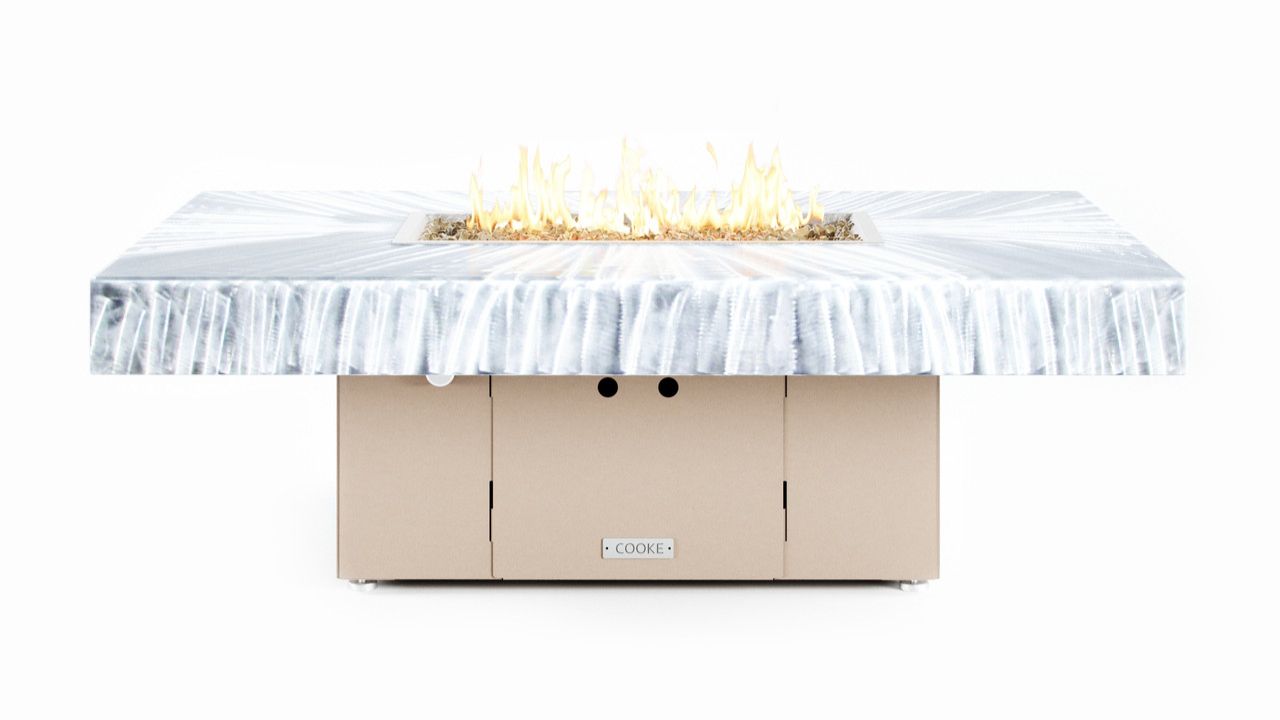
Fire pit tables represent a major 2026 trend. These units combine the fire feature with a functional tabletop surface. Guests gather around while the host prepares food at the same location. This design eliminates the isolation that comes with traditional grill placement and keeps the cook engaged with guests throughout meal preparation.
How Does a Fire Pit Add Value to Outdoor Kitchen Designs?
Modern fire pits are modular and adaptable. They offer multiple cooking methods within a single unit through interchangeable accessories. Contractors can customize configurations based on client cooking preferences and available space.
Key manufacturers leading this category include Flare Fires, Breeo, Camp Chef, Blaze, and Hestan. Each offers distinct accessory ecosystems. Flare Fires specializes in the complete integration of outdoor kitchens. Breeo focuses on smokeless technology with cooking attachments. Camp Chef, Blaze, and Hestan provide commercial-grade components suitable for high-end residential installations. Specifying from these brands ensures access to compatible accessories as client needs evolve.
What Advanced Cooking Methods Can Be Used with Gas Fire Pits in Outdoor Kitchens?
Gas fire pit cuisine offers precision that wood-burning units cannot match. The controlled flame output enables specific cooking techniques requiring consistent temperatures. Contractors should understand these methods to help clients maximize their outdoor kitchen fire pit investment.
How Can Gas Fire Pits Be Used for Grilling and Roasting?
Electronic ignition with adjustable flame control valves allows precise heat management. Users can tailor intensity from a gentle simmer to a high-heat sear with a simple dial adjustment. This control makes gas systems ideal for clients who want consistent results without mastering fire-building skills.
Motorized rotisserie systems expand roasting capabilities significantly. These attachments capture authentic smoke flavors at sustained high temperatures. The rotating motion ensures even cooking and self-basting. When paired with gas fire pit cuisine setups, rotisseries handle everything from whole chickens to large roasts with minimal user intervention.
What Are the Benefits of Using a Gas Fire Pit for Slow Cooking?
Two-zone cooking represents an essential fire pit cooking technique. The setup maintains a hot zone for direct searing alongside a cooler zone for indirect cooking. With gas systems, burner placement creates these zones automatically. Users achieve similar results to charcoal methods without manually raking coals.
Airflow adjustment through vents and dampers provides additional temperature control. Opening vents increases oxygen supply and raises heat output. Restricting airflow lowers temperatures and extends cooking time. This principle applies to covered cooking applications where clients want to cook with fire pits for braising or slow-roasting tough cuts.
How Do Gas Fire Pits Allow for Smoking and Infusing Flavors in Food?
Smoker attachments transform standard fire pits into flavor-infusing stations. These accessories emerge from the chimney structure or connect through a dedicated chamber. Wood chips or pellets placed in the smoker box release aromatic compounds that penetrate the food during cooking.
Flare Fires leads this category with integrated smoker designs. Their systems expand culinary fire pit design utility to include low-and-slow methods traditionally requiring separate equipment. Clients gain brisket, ribs, and pulled pork capabilities without additional appliance footprint. The combination of gas convenience with smoke flavor delivery appeals to serious outdoor cooks who value both efficiency and authentic taste profiles.
What Features Make a Fire Pit Suitable for Cooking in an Outdoor Kitchen?
Not every fire pit works for serious cooking applications. Culinary fire pit design requires specific features that distinguish functional cooking stations from decorative units. Contractors must specify equipment, materials, and maintenance considerations that support sustained food preparation use.
What Type of Grilling Equipment Can Be Integrated into Gas Fire Pits?
Swing-arm or adjustable-height grates deliver precise heat control for multi-zone cooking. Moving the grate closer to flames increases searing intensity. Raising it creates gentler heat for finishing or holding food at a temperature. This simple mechanism eliminates the guesswork common with fixed-height cooking surfaces.
Advanced systems accommodate up to four swing frames for simultaneous cooking at varying heights. This configuration lets users sear steaks on one grate while warming vegetables on another. Dedicated pizza oven accessories represent another popular integration. These modules feature refractory linings that maintain consistent high temperatures necessary for authentic pizza with properly charred crusts and melted toppings.
How Can Fire Pits Be Designed for Easy Cleaning and Maintenance?
Easy maintenance keeps clients using their outdoor kitchen fire pit regularly. Gas units require straightforward care: turn off the gas supply, allow complete cooling, wipe the exterior, and remove debris from lava rock or fire glass. This routine takes minutes and prevents buildup that affects performance.
Ceramic and refractory linings offer two cleaning options. Users can scrub with soap and water after cooling for light residue. Heavier buildup burns off at high heat during the next cooking session. Specifying these low-maintenance materials ensures clients actually cook with fire pits rather than avoiding them due to the cleanup hassle.
What Materials Are Best for Fire Pit Surfaces in Outdoor Kitchens?
Stainless steel dominates commercial and high-end residential fire pit cooking techniques for good reason. The material resists corrosion, withstands weather exposure, and cleans easily with non-scratch pads. It maintains its appearance over years of heavy use without degradation.
Cast iron and carbon steel excel at heat retention and distribution. These materials create superior searing surfaces that hold temperature when cold food hits the grate. However, they require seasoning and proper maintenance to prevent rust. Ceramic and refractory linings serve internal applications where consistent high temperatures and fuel efficiency matter most. The right material combination depends on cooking style, climate, and the client's willingness to perform regular maintenance on their gas fire pit cuisine setup.
How Can Gas Fire Pits Be Integrated with Other Outdoor Cooking Appliances?
Complete outdoor kitchens combine multiple cooking stations into unified workflows. The outdoor kitchen fire pit serves as a centerpiece that complements rather than competes with other appliances. Strategic integration maximizes functionality while maintaining clean sightlines and efficient movement patterns.
Can Gas Fire Pits Work with Outdoor Pizza Ovens and Smokers?
Pizza oven modules integrate directly with many fire pit systems. These accessories feature refractory linings engineered for high-heat baking. The dense material absorbs and radiates heat evenly, creating the consistent temperatures authentic pizza requires. Blaze, Hestan, and Flare Fires manufacture compatible modules designed for seamless attachment.
Smoker attachments connect through chimney structures on appropriate fire pit models. This configuration channels smoke across food positioned in a dedicated chamber. The integration eliminates the need for standalone smoker units that consume additional patio space. Clients gain expanded culinary fire pit design capabilities without cluttering their outdoor kitchen layout.
What Are the Best Techniques for Using Fire Pits Alongside Grills and Stoves?
Pre-built modular outdoor kitchen kits streamline installation while ensuring proper spacing between appliances. These systems save contractors time and reduce costs compared to custom fabrication. The standardized components also simplify future modifications or repairs.
Belgard, RTF Systems, and Uniframe Systems manufacture commercial-grade frame kits with fully-adjustable configurations. Their products accommodate various fire pit cooking techniques alongside traditional grills and side burners. The modular approach lets contractors create cohesive installations where clients cook with fire pits as part of a complete culinary station rather than an isolated feature.
How Can Contractors Design a Seamless Integration for Multiple Cooking Elements?
BTU output determines whether a gas fire pit cuisine setup handles serious cooking demands. Units rated at 58,000 BTU or higher deliver sufficient heat for grilling, searing, and high-temperature applications. Lower-output models work for ambiance but disappoint clients expecting cooking performance.
High-end gas fire pits feature electronic ignition and adjustable flame control for precise temperature management. These controls let users dial in specific heat levels for different cooking methods within the same session. When specifying equipment, contractors should match BTU capacity and control sophistication to client expectations. Underpowered or basic units create frustration that reflects poorly on the installation.
What Safety Considerations Should Be Taken into Account When Using Fire Pits for Cooking?
Safety separates professional installations from liability risks. Fire pit cooking techniques involve open flames, gas connections, and high temperatures near occupied spaces. Contractors must understand code requirements and specify appropriate safety features to protect clients and their properties.
How Can Contractors Ensure Safe Gas Connections for Fire Pit Cooking?
All gas fire feature installations must be handled by a certified plumber. This requirement applies regardless of project size or apparent simplicity. Improper connections create leak risks that endanger occupants and expose contractors to significant liability.
Electronic ignition systems offer installation flexibility that improves safety positioning. Gas valve control boxes can be placed up to 8 feet from the fire pit unit. Electronics boxes allow placement up to 150 feet away. This separation keeps sensitive components away from heat while maintaining convenient access for service. Contractors should leverage this flexibility when designing outdoor kitchen fire pit layouts that prioritize both safety and usability.
What Are the Essential Safety Features for Cooking with Gas Fire Pits in Outdoor Kitchens?
Flame sensing and automatic re-ignition ensure continuous safe operation during cooking sessions. If wind or grease flare-ups extinguish the pilot, these systems detect the failure and restore the flame automatically. Users cook with fire pits confidently knowing the system self-corrects common interruptions.
Fuel sensors add another protection layer. These devices prevent gas waste by detecting flame-out conditions and triggering safety shutdowns before unburned gas accumulates. LED-based diagnostics simplify troubleshooting when issues arise. Systems like Platinum Ignition feature indicator lights designed for field serviceability. Contractors can diagnose problems quickly without specialized equipment, reducing service call duration and client inconvenience.
How Can Fire Pit Design Reduce the Risk of Accidents or Fire Hazards?
Clearance requirements vary dramatically by fuel type. Wood-burning pits require 10 to 25 feet of clearance from structures, fences, and trees. Embers and radiant heat create ignition risks at closer distances. Gas fire pit cuisine setups need a minimum of 5 to 10 feet of clearance, depending on BTU output and local codes.
Ventilation requirements for enclosed culinary fire pit design installations are non-negotiable. Gas enclosures must incorporatea minimum of two vents on opposing sides. Each vent must provide at least 18 square inches of open area. Propane installations require specific attention: vents must be positioned near the enclosure base because propane is heavier than air and pools at low points. Failing to meet these specifications creates explosion risks that no fire pit cooking technique justifies.
What Are the Design and Aesthetic Options for Fire Pit Cooking in Outdoor Kitchens?
Functionality alone does not sell outdoor kitchen projects. Clients expect culinary fire pit design elements that complement their home architecture and landscape aesthetic. Contractors who understand current trends and material options deliver installations that satisfy both cooking performance and visual expectations.
How Can Fire Pits Be Designed to Match the Overall Aesthetic of the Outdoor Kitchen?
Design trends favor geometric shapes for 2026 luxury installations. Linear fire pits create dramatic focal points along seating walls or pool edges. Hexagonal configurations offer contemporary appeal while providing multiple cooking positions around the perimeter. These shapes integrate naturally with modern architectural styles dominating high-end residential projects.
Solid concrete structures deliver exceptional durability, built to withstand elements for generations. The material accepts various finishes from polished smooth surfaces to textured aggregate exposures. Contractors can match outdoor kitchen fire pit installations to existing hardscape elements through consistent material selection and finish coordination.
What Are the Popular Styles and Materials for Fire Pits in Modern Outdoor Kitchens?
Glass Fiber Reinforced Concrete (GFRC) leads material choices for serious culinary applications. This composite earns the highest durability rating at 10/10 while remaining lightweight enough for practical installation. Custom casting enables virtually unlimited design flexibility for clients wanting unique shapes that support specific fire pit cooking techniques.
Natural stone offers a timeless aesthetic appeal with excellent heat and weather resistance. The material suits traditional and transitional designs where clients prioritize classic elegance. Corten steel delivers modern, design-driven impact through its distinctive weathered patina. This material works particularly well in minimalist luxury settings where clients cook with fire pits positioned as sculptural centerpieces.
How Can Fire Pit Lighting and Placement Enhance the Outdoor Dining Experience?
Multi-sensory design elevates gas fire pit cuisine installations beyond basic cooking stations. Combining fire and water features creates a striking contrast that captivates guests. The interplay of flickering flames with moving water produces dynamic visual interest impossible to achieve with either element alone.
Distributed audio systems integrate seamlessly into seating walls or fire pit structures themselves. Hidden speakers deliver an immersive atmosphere without visible equipment disrupting clean sightlines. This integration transforms outdoor kitchen fire pit areas into complete entertainment destinations where cooking, dining, and relaxation converge in thoughtfully designed spaces.
How Can Outdoor Kitchen Designers Optimize Fire Pit Cooking for Different Types of Dishes?
Different dishes demand different heat profiles and cooking methods. Effective culinary fire pit design anticipates the range of foods clients want to prepare. Contractors who understand dish-specific requirements specify equipment configurations that deliver versatile performance across multiple cuisines.
What Dishes Are Best Cooked with Gas Fire Pits in Outdoor Kitchens?
High-heat searing produces the best results for steaks and chops. The direct flame zone delivers intense temperatures that create proper crust formation while maintaining juicy interiors. Gas fire pit cuisine setups with adjustable grates let users position proteins at optimal distances from the heat source.
Pizza requires dedicated modules with refractory linings that maintain consistent high temperatures. These accessories reach and sustain the 700°F+ environment that authentic Neapolitan-style pizza demands. Rotisserie applications handle whole poultry and large roasts exceptionally well. The rotating motion, combined with radiant heat,t captures wood and smoke flavors while ensuring even cooking throughout.
How Can Outdoor Kitchen Designers Create Versatile Cooking Spaces for Different Cuisines?
Two-zone setup remains essential for versatile fire pit cooking techniques. Maintaining a hot zone for direct cooking alongside a cooler indirect zone simultaneously enables complex meal preparation. Users sear proteins over high heat, then move them to the indirect zone for finishing without overcooking.
Fire pit basin sizing directly impacts this capability. The unit must be large enough to support a true two-zone configuration with adequate space in each area. Undersized basins force compromises that limit cooking flexibility. Contractors should verify that dimensions accommodate the outdoor kitchen fire pit techniques clients expect to use regularly.
How Does Fire Pit Cooking Compare to Other Outdoor Cooking Methods?
Rotisserie systems provide authentic high-temperature cooking unavailable with standard grills. The continuous rotation and open flame exposure create textures and flavors that enclosed grill hoods cannot replicate. Clients who cook with fire pits using rotisserie attachments notice immediate differences in poultry skin crispness and roast bark development.
Smoker attachments achieve flavor infusion not possible with conventional outdoor appliances. The combination of controlled smoke exposure with fire pit heat penetrates proteins more effectively than standalone electric or pellet smokers. A rectangle fire pit pairs particularly well with these accessories, offering ample linear surface area for grill grates and smoker boxes alongside the flame. This capability expands culinary fire pit design value beyond what traditional grill islands offer, justifying the investment for clients serious about outdoor cooking results.
How Can Contractors Ensure Long-Term Durability for Fire Pit Cooking Features?
Durability determines whether installations deliver lasting value or become maintenance headaches. Clients invest significantly in outdoor kitchen fire pit projects, expecting decades of reliable performance. Material selection, environmental considerations, and maintenance protocols all influence how long culinary fire pit design elements remain functional and attractive.
What Materials and Construction Methods Ensure Fire Pit Longevity?
Glass Fiber Reinforced Concrete (GFRC) delivers the longest service life at 30 to 50+ years. This material earns a perfect 10/10 durability rating while supporting the fire pit cooking techniques clients demand. The combination of longevity and design flexibility makes GFRC the premium choice for high-end installations.
Standard concrete provides a 20 to 30+ year lifespan ata lower cost. The material actually strengthens over time and remains inherently incombustible throughout its service life. Natural stone splits the difference with 25 to 40 year durability. Its high resistance to heat and weather exposure makes it ideal for clients who cook with fire pits frequently in demanding climates.
How Can Contractors Incorporate Durability Without Compromising on Design?
Coastal environments require specific material specifications to combat salt air corrosion. Type 316, 316L, or 2205 stainless steel resists pitting that destroys standard grades. Marine-grade aluminum and duplex coating systems combining galvanizing with powder coating provide additional protection for gas fire pit cuisine installations near saltwater.
Desert environments present opposite challenges. Thick-gauge carbon steel at ¼-inch minimum thickness withstands extreme temperature swings without warping. High-temperature finishes or iron-oxide patina protect surfaces from UV degradation. Interior lining with fire brick or refractory cement panels remains essential for wood-burning units regardless of climate. These materials contain heat and prevent structural damage to surrounding components.
How Can Routine Maintenance Extend the Life of Fire Pit Cooking Appliances?
Stainless steel surfaces require minimal care. Regular cleaning with non-scratch pads and stainless wipes preserves appearance and prevents buildup that affects cooking performance. This simple routine keeps outdoor kitchen fire pit installations looking professional for years.
Cast-iron cooking surfaces demand more attention. Proper seasoning and rust prevention maintenance protect the material between uses. Gas components require periodic inspection of valves, burners, and fittings to verify outdoor rating compliance. Contractors should educate clients on the maintenance requirements for their culinary fire pit design during the project handoff to ensure long-term satisfaction with their investment.
Ready to Elevate Your Next Outdoor Kitchen Project?
Modern fire pit cooking techniques have redefined outdoor culinary possibilities. From high-heat searing to wood-fired pizza, today's culinary fire pit design delivers restaurant-caliber performance in residential settings. The right materials, safety features, and accessories create outdoor kitchen fire pit installations that perform for decades.
At SoCal Fire Pits, we specialize in premium fire features engineered for serious cooking applications. Our team understands the technical requirements contractors need—gas fire pit cuisine systems, code compliance, and environment-specific material selection. We support projects from design consultation through installation, ensuring every build meets the highest standards.
Contact us today for a quote on your next project. Call our team to discuss specifications, explore our product catalog, or schedule a consultation. We're ready to help you cook with fire pits that exceed client expectations.