


Can You Put a Fire Pit Under Pergola? Safe Installation Guidelines for Covered Outdoor Spaces
Key Takeaways
- Clearance Requirements Are Non-Negotiable: Maintain 10 feet minimum vertical clearance from pergola to fire pit (12-15 feet recommended) and 10 feet horizontal clearance from structures and combustibles. These minimums protect against heat damage and ignition risk under covered spaces.
- Gas Fire Pits Offer Superior Safety for Pergola Installations: Gas units provide controlled flames without ember production, making them ideal for covered spaces. Natural gas delivers 1,000 BTU per cubic foot through municipal lines while propane provides 2,516 BTU per cubic foot with universal availability.
- Material Selection Determines Fire Safety: Use non-combustible pergola materials like aluminum (melting point 1,221°F), vinyl, or stainless steel (melting point 2,750°F). Fire-retardant treated wood with Class A rating is acceptable, but untreated pine (450°F ignition) and cedar (500°F ignition) create unacceptable fire risk.
- Professional Installation Is Legally Required for Gas Work: Licensed gas contractors must handle all fuel line installations per NFPA 54 (2024 edition). DIY gas work violates building codes, voids equipment warranties, and results in insurance claim denials after incidents.
- Proper Drainage Extends Fire Pit Lifespan 30%: Install 4-6 inches of #2 Crushed Stone (50 inches/hour permeability) as base layer with 0.5 inch per foot slope for 10 feet. This multi-layer system prevents water accumulation that causes premature deterioration and structural failure.
Installing a fire pit under a pergola creates an inviting year-round outdoor living space, but safety must drive every decision. Proper installation requires meeting strict clearance requirements, selecting fire-resistant materials, and ensuring adequate ventilation.
Code compliance isn't optional—violations void warranties, fail inspections, and create liability exposure. Gas line work demands licensed contractors, while wood-burning installations may suit skilled DIYers. This guide covers clearance standards, material selection, fuel type comparisons, drainage requirements, and common installation mistakes.
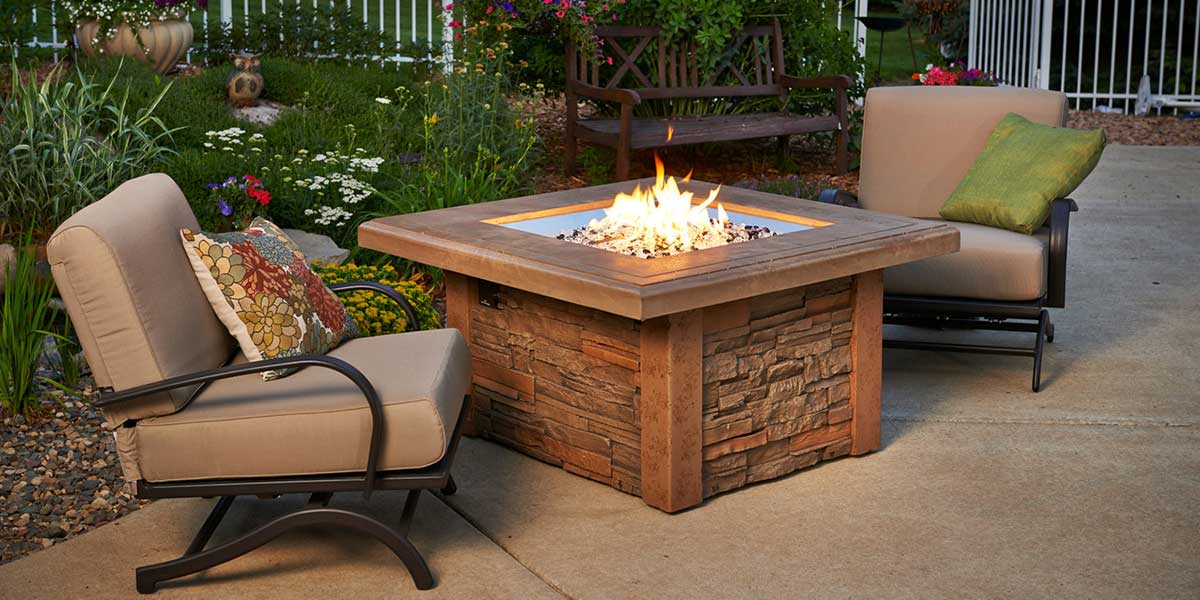
Whether you're planning a simple paver installation, a custom built-in feature, or adding designer fire pit tables for extra functionality, understanding these requirements ensures your fire pit under a pergola operates safely for decades.
What Are the Key Considerations Before Installing a Fire Pit Under a Pergola?
Yes, you can install a fire pit under a pergola, but success depends on proper planning. Before construction begins, you must evaluate clearance requirements, material selection, ventilation needs, and local code compliance. These factors determine whether your installation will be safe, legal, and functional.
Why Choose a Fire Pit for a Covered Outdoor Space?
A fire pit under a pergola extends your outdoor living season while providing shelter from light rain and sun. The covered space creates an intimate gathering area that feels more like an outdoor room than an exposed patio. You gain year-round usability without sacrificing the ambiance of an open flame.
The pergola structure also helps define the fire pit as a dedicated entertainment zone. This creates natural traffic patterns and establishes clear boundaries for your outdoor layout.
Pergola as a Design Element: Enhancing Your Outdoor Space
Pergolas add vertical architecture that makes outdoor spaces feel intentional and complete. The overhead structure frames your fire pit installation, creating visual weight that anchors the entire patio design. This layered approach transforms a simple fire feature into a destination space.
Material choices for your pergola directly impact both aesthetics and safety. Modern options like aluminum and vinyl offer clean lines with zero combustibility, while fire-rated wood delivers traditional warmth with proper treatment. Your pergola material must complement your fire pit while meeting clearance and fire resistance requirements.
What Clearances and Ventilation Are Required to Place a Fire Pit Under a Pergola?
Clearances and ventilation determine whether your installation passes inspection and operates safely. Code-mandated minimums exist, but best practices exceed these requirements to account for heat accumulation and ember drift. Proper spacing prevents structural damage, reduces fire risk, and ensures comfortable seating areas.
Importance of Adequate Clearance Around Fire Pits
Your fire pit requires 10 feet of vertical clearance from the pergola structure under IFC 307.4 and NFPA 211. However, 12-15 feet provides better heat dissipation and reduces discoloration of overhead materials. This extra height prevents excessive heat buildup that can warp non-combustible materials or ignite treated wood over time.
Horizontal clearances follow the same pattern. Code requires 10 feet from structures and combustible materials, but 15 feet offers a practical safety margin. Furniture placement needs 3 feet minimum clearance, though 5 feet improves comfort and reduces fabric damage. These same 10-foot minimums apply to property lines and overhanging branches—both critical for preventing fire spread beyond your control zone.
Ventilation Needs for Safe Fire Pit Operation
Open-sided pergola designs provide the airflow necessary for complete combustion and smoke evacuation. Enclosed or partially enclosed structures trap heat and combustion byproducts, creating hazardous conditions regardless of clearance distances. Your pergola must allow unrestricted air movement on at least three sides.
Heat and smoke dissipate vertically through the open pergola roof and horizontally through the open sides. This cross-ventilation prevents carbon monoxide accumulation and maintains breathable air quality around seating areas.
How to Maintain Proper Airflow and Heat Distribution Under a Pergola
Position your fire pit to align with prevailing wind patterns when possible. This natural airflow enhances smoke evacuation without creating downdrafts that blow smoke toward seating. Avoid corners or areas where pergola posts might block cross-ventilation.
Monitor overhead clearance as flames fluctuate with wind conditions. Gas fire pits offer consistent flame height control, while wood-burning units require active fire management to prevent flame extension beyond your clearance zone. Never add fuel that causes flames to reach within 2 feet of overhead structures, regardless of your vertical clearance measurement.
What Are the Essential Safety Guidelines for Installing a Fire Pit Under a Pergola?
Safety guidelines balance fire feature enjoyment with risk mitigation. Code compliance forms your baseline, but material selection and active fire management complete your safety strategy. These requirements exist to prevent structure fires, personal injury, and liability exposure.
Fire Safety Considerations for Covered Spaces
IFC 307.4 limits fire pits to 3 feet in diameter with maximum flame height of 2 feet. These dimensions prevent excessive heat projection that could ignite overhead structures even at proper clearance distances. Larger fire features or higher flames require greater separation distances that make pergola coverage impractical.
Pergola material selection directly impacts fire safety. Aluminum (melting point 1,221°F), vinyl, and stainless steel (melting point 2,750°F) offer non-combustible options that won't ignite or contribute to fire spread. Fire-retardant treated wood with Class A rating provides a combustible alternative when properly maintained and installed at appropriate clearances. Standard untreated lumber creates unacceptable risk regardless of clearance distance.
Compliance with Local Fire Codes and Regulations
Multiple code authorities govern fire pit installations. NFPA 54 (2024 Edition) regulates gas piping and appliance connections. NFPA 211 (2019 Edition) establishes clearance and venting standards. NFPA 1 (2024 Edition) provides comprehensive fire safety requirements. The International Fire Code (2021 Edition) addresses outdoor fire features specifically, while the International Residential Code (2021 Edition) covers residential applications.
Local jurisdictions adopt these model codes with modifications. Some municipalities require 20+ feet clearance from structures while others accept the 10-foot standard. Permit requirements vary from mandatory inspections for all fire pits to exemptions for portable units. Contact your local building department before purchasing materials or beginning installation.
Proper Use of Fire Pit Screens and Wind Guards
Spark screens prevent ember escape that could ignite pergola materials, surrounding vegetation, or nearby structures. Mesh screens with ½-inch or smaller openings trap most airborne embers while maintaining visibility and heat output. Gas fire pits produce minimal sparking but wood-burning units require constant screen protection during operation.
Wind guards reduce flame deflection that could extend fire beyond your designed clearance zones. Tempered glass panels work effectively for gas units, creating visual barriers without blocking radiant heat. Never operate fire pits during high wind conditions when screens and guards cannot adequately contain flames and embers.
What Types of Fire Pits Are Safe for Installation Under a Pergola?
Gas fire pits offer superior control and safety for pergola installations compared to wood-burning alternatives. Fuel type, design configuration, and safety certifications determine suitability for covered spaces. Your choice impacts installation complexity, ongoing costs, and fire management requirements.
Choosing Between Gas and Wood-Burning Fire Pits
Natural gas delivers 1,000 BTU per cubic foot at 7" water column (0.25 psi) through municipal pipeline connections. Propane provides 2,516 BTU per cubic foot at 11" water column (0.4 psi) from portable or permanent tanks. Both fuels support fire pits ranging from 30,000 to 180,000 BTU output.
Natural gas offers consistent flame characteristics with lower carbon emissions but requires existing gas service to your property. Propane burns slightly hotter with universal availability—ideal for rural locations without gas infrastructure. Natural gas eliminates refueling but ties you to utility billing, while propane requires tank monitoring and periodic refills. Both fuel types pair well with luxury fire pits that complement pergola settings, providing instant ignition, adjustable flame height, and complete extinguishment—critical advantages where ember control beneath overhead structures is paramount.
Which Fire Pit Designs Are Suitable for Covered Areas?
Gas fire pits excel in covered installations due to controlled combustion without ember production. You eliminate the primary ignition risk for overhead structures while maintaining adjustable heat output. Wood-burning units produce unpredictable sparks and variable flame heights that complicate clearance management under fixed pergola roofs.
Compact designs maximize usable space while maintaining required clearances. Fire tables and bowl-style units typically range from 24-42 inches in diameter—well within the 3-foot code maximum. Built-in units offer seamless integration with pergola designs but require professional installation and permanent gas connections.
Key Features to Look for in Fire Pits for Pergolas
CSA (Canadian Standards Association) and AGA (American Gas Association) certifications verify gas appliance safety for North American installations. CE (European Conformity) marking indicates compliance with EU safety standards. UL (Underwriters Laboratories) certification confirms independent testing for electrical and fire safety.
Non-certified fire pits may function adequately but create liability exposure. Insurance companies frequently deny claims for fires involving uncertified appliances, regardless of installation quality or maintenance history. Certification labels typically appear on the appliance data plate beneath the burner pan—verify presence before purchase. Additionally, ensure compatibility with parts and accessories such as burner inserts, wind guards, and custom fittings, which are critical for safe and efficient operation.
How to Properly Install a Fire Pit Under a Pergola?
Proper installation follows a sequential process that establishes safety before aesthetics. Each step builds on the previous work, creating a code-compliant system that protects your investment and occupants. Skipping steps or reversing order compromises structural integrity and fire safety.
Step 1: Selecting the Right Location and Position
Measure vertical clearance from your proposed fire pit location to the lowest pergola beam. You need 10 feet minimum, but 12-15 feet eliminates heat discoloration and provides operational margin for flame fluctuation. If your pergola height falls short, relocate the fire pit outside the covered area or raise the pergola structure.
Establish 10-foot horizontal clearance from pergola posts, house walls, fences, and combustible materials. Mark furniture placement zones with 3-5 feet of clearance from the fire pit perimeter. Use stakes and string to visualize these boundaries before excavation—adjusting now costs nothing compared to relocating a completed installation.
Step 2: Preparing the Ground and Surrounding Area
Excavate 6-8 inches below finished grade and establish a 0.5 inch per foot slope radiating outward for 10 feet. This drainage gradient prevents water accumulation that causes premature deterioration—proper drainage extends fire pit lifespan up to 30%.
Install #2 Crushed Stone as your 4-6 inch base layer. This material provides 50 inches/hour permeability—the fastest drainage of standard aggregates. Add 2-3 inches of Stabilizing Stone for your middle layer, then 1-2 inches of Concrete Sand as your leveling course. Compact each layer before adding the next. Optional: finish with 3-4 inches of Pea Gravel (40 inches/hour permeability) for decorative appeal. Never use compacted clay—its 0.5 inches/hour permeability traps water and accelerates rust formation.
Step 3: Installing the Gas Line or Wood-Burning Setup
Gas line sizing depends on BTU demand and distance from your gas source. For natural gas: a 36-inch fire pit requiring 70,000 BTU needs 3/4" pipe for runs under 50 feet or 1" pipe for runs to 100 feet. A 1/2" line handles only 50,000 BTU at 100 feet—insufficient for most residential fire pits beyond 30 inches diameter.
Propane's higher energy density (2,516 BTU per cubic foot vs. 1,000 BTU for natural gas) allows smaller pipe sizing. A 1/2" propane line delivers 126,000 BTU at 100 feet—adequate for fire pits up to 42 inches. For installations requiring 42-48 inch fire pits (90,000-110,000 BTU recommended), use 3/4" pipe for runs beyond 50 feet.
Licensed gas contractors must perform all gas piping per NFPA 54 (2024 edition). This work requires permits, pressure testing, and inspection—activities outside homeowner scope regardless of experience level. NFI-certified technicians understand fire feature requirements beyond standard appliance installations.
Step 4: Ensuring Proper Ventilation and Clearances
Verify final clearances with your fire pit in place before connecting gas or conducting test burns. Measure from flame center to pergola beams, not from fire pit rim. Account for flame height—your 10-foot clearance measurement must include the 2-foot maximum flame extension.
Confirm your pergola maintains open sides on at least three faces. Solid walls, privacy screens, or dense plantings block cross-ventilation and create hazardous conditions. Integrate your fire pit drainage with existing landscape grading—avoid creating water flow conflicts that undermine either system.
Can I Install a Fire Pit Under a Pergola Without Professional Help?
DIY suitability depends on fuel type, site conditions, and local permit requirements. Wood-burning installations with proper site preparation fall within skilled homeowner capabilities. Gas fire pits require licensed contractors for all fuel line work regardless of your experience level.
When DIY Installation Is Safe
Basic wood-burning fire pits on paver bases cost $300-800 in materials with 1-2 days labor for competent DIYers. This includes excavation, base preparation, paver installation, and fire pit placement. You handle site preparation, drainage layers, and non-combustible surface installation following the methods outlined in Step 2.
Wood-burning units eliminate gas line complexity but demand stricter fire management. You must actively control fuel load, flame height, and ember production—variables that gas units regulate mechanically. DIY remains appropriate only when you can maintain all clearance and ventilation requirements without modification to existing structures. If your pergola needs height adjustment or side opening expansion, hire professionals for structural work.
When to Hire a Professional for Gas Line or Complex Installations
Gas fire pits with existing line connections cost $2,500-5,000 professionally installed over 2-3 days. New gas line installations run $3,500-7,000 over 3-5 days due to trenching, pipe routing, and meter modifications. Licensed gas contractors are legally required for all fuel line work—DIY gas piping violates building codes, voids equipment warranties, and creates insurance liability.
Pergola integration adds complexity that raises costs to $5,000-12,000 over 5-10 days. This includes structural assessment, material upgrades for fire resistance, and coordination between gas contractors and carpenters. Custom built-in installations start at $8,000 and exceed $20,000 for elaborate designs requiring 1-3 weeks construction time.
Professional installation guarantees code compliance and preserves manufacturer warranties. Most fire pit warranties require licensed installation for gas models—DIY work voids coverage even when executed correctly.
Step-by-Step Installation for Homeowners
For DIY wood-burning installations: First, verify your pergola provides 10-foot vertical clearance and open-sided ventilation. Measure and mark your 10-foot horizontal clearances from structures and combustibles. Establish furniture zones with 5-foot spacing.
Excavate 6-8 inches and create 0.5 inch per foot drainage slope. Install 4-6 inches of #2 Crushed Stone, then 2-3 inches of Stabilizing Stone, then 1-2 inches of Concrete Sand. Compact each layer. Place your fire pit and verify final clearances before first use.
Stop here if gas connection is required. Contact licensed contractors for all gas line work, pressure testing, and appliance connection. Your DIY contribution ends at site preparation—fuel system installation requires professional certification and permitting.
What Are the Common Mistakes to Avoid When Installing a Fire Pit Under a Pergola?
Installation mistakes create fire hazards, code violations, and insurance complications. Most errors stem from underestimating heat dynamics or misinterpreting code minimums as adequate rather than bare minimum. Understanding these failures prevents costly reinstallation and potential property damage.
Ignoring Ventilation and Clearance Requirements
Homeowners frequently install fire pits under pergolas with 8-9 feet of vertical clearance, assuming "close enough" satisfies safety requirements. The 10-foot minimum exists because heat rises in a concentrated column that can ignite materials well above visible flame height. Even non-combustible materials suffer heat damage—aluminum warps, vinyl softens, and powder coatings discolor below their ignition temperatures.
Enclosed or three-sided pergola designs trap heat and combustion gases regardless of vertical clearance. Heat accumulation under partially enclosed structures reaches temperatures 50-100°F higher than open designs. This concentrated thermal mass accelerates material degradation and creates uncomfortable conditions for occupants. Your pergola must provide unrestricted airflow on at least three sides—decorative screens and privacy walls eliminate the ventilation necessary for safe operation.
Installing a Fire Pit Too Close to the Pergola's Structure
Untreated pine pergolas ignite at 450°F with Class C fire rating—completely unsuitable for fire pit installations. Cedar performs marginally better at 500°F ignition point but still carries Class C rating requiring extreme caution. Both materials will eventually ignite under sustained heat exposure even at code-minimum clearances.
Non-combustible materials eliminate ignition risk entirely. Aluminum, vinyl, and stainless steel won't burn regardless of heat exposure, though aluminum warps at 1,221°F and vinyl softens at 212°F. Fire-retardant treated wood with Class A rating provides the only acceptable combustible option—this treatment raises ignition temperature and slows flame spread sufficiently for pergola applications when combined with proper clearances.
Failing to Check Local Fire Safety Codes
Jurisdictions modify model codes extensively based on local fire risk, climate, and urban density. Coastal California communities commonly mandate 20+ feet clearance from structures due to wildfire risk and prevailing winds. Midwestern suburbs may accept 10-foot minimums with additional requirements for spark arrestors or fire extinguisher placement.
Permit requirements vary from mandatory inspections for all fire features to exemptions for portable units under 200,000 BTU. Some areas prohibit wood-burning fire pits entirely within city limits while allowing gas installations. Contact your building department before purchasing equipment—discovering permit requirements after installation forces expensive modifications or complete removal. Gas line sizing requires professional assessment accounting for elevation, temperature, pipe material, and concurrent appliance demand—online calculators provide estimates, not code-compliant specifications.
Enjoying Your Safe and Stylish Fire Pit Under Your Pergola
A properly installed fire pit under a pergola transforms your outdoor space into a year-round gathering destination. Success requires respecting clearance minimums, selecting appropriate materials, and following code requirements without compromise. The investment in professional installation and quality equipment pays dividends through decades of safe operation and minimal maintenance.
Final Thoughts on Safe and Practical Installation
Fire pit warranties reflect manufacturer confidence in their products but require proper installation to remain valid. Frame and body coverage ranges from 1 year on budget units to limited lifetime on premium brands. Burners typically carry 3-5 year warranties, though top-tier manufacturers like Solo Stove and Blaze offer lifetime coverage on structural components. Electronics and gas valves receive shorter 1-2 year protection due to higher failure rates from environmental exposure.
Improper installation voids all warranty coverage regardless of manufacturer generosity. Insurance companies routinely deny fire damage claims when investigations reveal code violations or unlicensed gas work. Your cost savings from DIY gas installation evaporate instantly when facing six-figure claim denials after structure fires. Licensed contractors provide installation documentation that protects both warranty coverage and insurance validity—essential protection for assets worth tens of thousands of dollars.
Creating the Ultimate Outdoor Retreat with a Pergola and Fire Pit
Your completed installation extends living space beyond interior walls, creating an outdoor room that rivals indoor comfort. The pergola defines boundaries while maintaining connection to surrounding landscape. The fire pit anchors the space, drawing guests naturally into conversation circles that form around warmth and flame.
Material choices, clearance planning, and professional installation compound into systems that operate safely for decades. You gain confidence using your fire feature knowing that every component meets code requirements and manufacturer specifications. This peace of mind—combined with the ambiance only fire provides—justifies the planning effort and professional costs. Your outdoor retreat becomes the preferred gathering space where memories accumulate season after season.
Ready to Transform Your Outdoor Space with a Safe Fire Pit Installation?
So-Cal Fire Pits specializes in code-compliant fire pit installations under pergolas and covered outdoor structures. Our licensed contractors handle every aspect—from gas line sizing and permits to drainage systems and final inspections. We ensure your installation meets all clearance requirements, uses fire-rated materials, and preserves manufacturer warranties.
Whether you're adding a compact gas fire table, exploring designer rectangle fire pit tables for a statement centerpiece, or planning a custom built-in feature, our team delivers professional results that pass inspection the first time. Contact SoCal Fire Pits today for a free consultation and discover how we can create your perfect outdoor retreat with safety and style combined.
You may also like
View all

