
Key Takeaways
- Fire's Cultural Significance Transcends Function: Fire in design serves as both practical heating element and powerful cultural symbol, with heritage fire pit design rooted in millennia of human gathering traditions from sacred temple flames to communal hearths.
- Strategic Placement Creates Social Anchors: Fire pit tables enhance landscape design when positioned as central organizing elements that foster dialogue and social cohesion, replicating fire's primordial role as humanity's original gathering point.
- Compliance Is Non-Negotiable: All architectural fire features must meet local building codes and NFPA standards, including proper clearances, ventilation requirements, fire-resistant materials, and compliant fuel storage for safe modern fire pit integration.
- Sustainable Technologies Reduce Environmental Impact: High-efficiency EPA-certified wood burners, clean-burning gas systems, and renewable bioethanol fuels enable heritage fire pit collections to honor tradition while meeting contemporary sustainability standards.
- Heritage Principles Inform Modern Design: Successful integration balances innovation with cultural respect—translating fire's spatial organizing principles and symbolic meanings into contemporary architectural language rather than replicating historical styles.
Fire has organized human space since the first settlements, serving as both functional necessity and cultural symbol. For architects, understanding the cultural significance of fire unlocks design opportunities that extend beyond heating and lighting. From sacred temple flames burning for millennia to contemporary fire pit tables anchoring outdoor living spaces, fire in design bridges heritage and innovation.
This article explores how heritage fire pit design principles inform modern fire pit integration, enabling architects to create architectural fire features that resonate psychologically while meeting contemporary performance standards. Discover how fire pit tables enhance landscape design by honoring fire's timeless role as humanity's original gathering point—a force that continues shaping meaningful architectural spaces today.
What is the Cultural Significance of Fire in Architecture?
Fire transcends function in architecture—it anchors space, symbolizes community, and carries spiritual meaning across cultures. Understanding the cultural significance of fire enables architects to create designs that resonate beyond aesthetics, connecting modern spaces to millennia of human tradition.
Historical Roots of Fire in Design
The primitive hearth was architecture's first focal point, drawing people together and establishing fire as a social anchor. This role evolved but persisted: Greek Prytaneion housed civic flames, Roman homes featured hearths dedicated to Vesta as the family's heart, and Renaissance palaces like Palazzo Medici Riccardi displayed ornate fireplaces as statements of power and refinement—not merely heating devices.
Even after the Industrial Revolution introduced central heating, the hearth's symbolic power endured. This legacy informs heritage fire pit design today, where fire pit tables and architectural fire features serve as contemporary interpretations of the communal hearth, maintaining fire's role as a gathering catalyst in modern fire pit integration.
Symbolic Roles of Fire in Different Cultures
Fire carries profound spiritual meaning across global traditions. In Zoroastrianism, fire (Atar) embodies divine truth—the Yazd Fire Temple in Iran protects a flame burning over 1,500 years, while Azerbaijan's Ateshgah Fire Temple (a UNESCO World Heritage site) integrates natural gas vents with sacred architecture. Hinduism reveres fire (Agni) as a divine messenger; the Havan altar remains central in temples and homes for purification rituals.
Indigenous traditions reinforce fire's communal significance. Native American fire pits serve as symbolic community hearts for storytelling and ceremony. Australian Aboriginal Cultural Burning demonstrates fire as sophisticated land management, representing cultural continuity. These diverse traditions inform heritage fire pit collections and modern approaches where fire pit tables enhance landscape design while honoring fire's universal role as a symbol of life, protection, and transformation.
How Can Architects Incorporate the Cultural Significance of Fire into Modern Outdoor Designs?
Incorporating the cultural significance of fire into modern outdoor designs requires intentional spatial planning and material selection. Fire pit tables and architectural fire features can bridge heritage and contemporary aesthetics when designed as social anchors rather than mere amenities.
Integrating Fire Pit Tables into Contemporary Outdoor Spaces
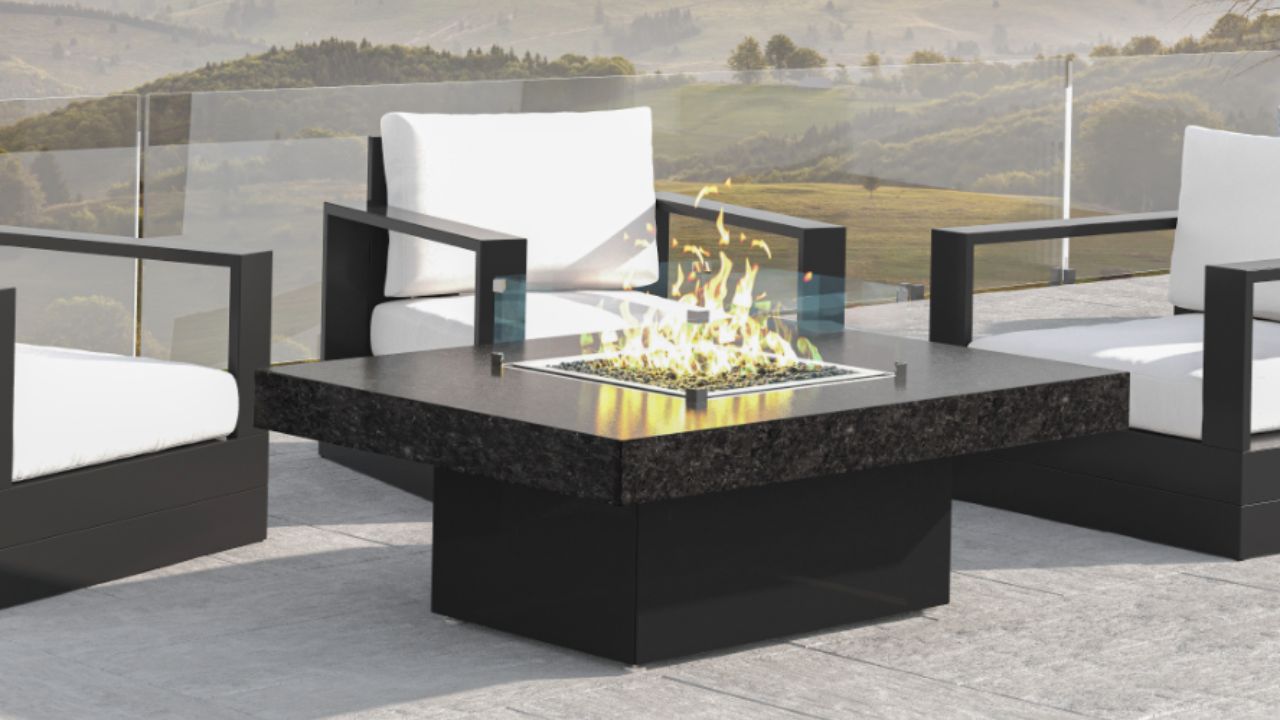
Position fire pit tables as central organizing elements within communal spaces to foster dialogue and social cohesion. This approach re-establishes the hearth's historical role as a gathering point, creating visible focal points that naturally draw people together. Modern fire pit integration succeeds when the fire element remains accessible and psychologically central to the space.
Design fire surrounds to accommodate contemplation, gathering, and personal memory display. Consider integrated seating, horizontal surfaces for meaningful objects, and sight lines that encourage eye contact across the flames. These elements transform functional heating features into spaces for ritual and connection, allowing fire pit tables to enhance landscape design through both utility and cultural resonance.
Blending Heritage Fire Pit Design with Modern Aesthetic
Heritage fire pit design enhances modern landscapes through symbolic form and materiality. Incorporate triangular forms, red accents in Asian-inspired installations, or protective enclosing elements that echo fire temple sanctity. These design choices root contemporary projects in cultural tradition without pastiche.
Select materials that evoke fire's symbolic associations while meeting modern performance standards. Stone, oxidized metals, and earthy tones reference historical precedents, while clean geometries and precision detailing satisfy contemporary aesthetics. This balance allows heritage fire pit collections to inform modern fire pit integration, creating architectural fire features that honor tradition while serving current needs.
Why Are Fire Pit Tables Essential in Enhancing Landscape Design?
Fire pit tables enhance landscape design by organizing outdoor space around a compelling focal point. They combine functional heating with psychological magnetism, creating environments that invite extended use and social engagement.
Fire Pit Tables as Focal Points in Modern Outdoor Spaces
Fire pit tables anchor outdoor environments, functioning as both physical and metaphorical centers of activity. Strategic placement draws movement patterns and sight lines toward the fire, naturally organizing seating arrangements and circulation paths. This intentional focus transforms dispersed outdoor areas into cohesive gathering spaces.
Contemporary architecture employs fire features to foster social interaction through spatial hierarchy. The hearth commands attention without barriers, creating inclusive zones where conversation flows naturally across the flame. Fire pit tables enhance landscape design by establishing clear territorial boundaries while maintaining visual and physical accessibility throughout the space.
Enhancing Ambiance and Functionality with Architectural Fire Features
Architectural fire features serve dual functions as heating elements and cultural symbols. Fire in design extends outdoor season use while creating atmospheric lighting that enhances evening environments. The flickering illumination establishes mood, reduces reliance on artificial lighting, and adds dynamic visual interest to static landscapes.
Modern fire pit integration creates spaces that are visually stunning and psychologically resonant. Fire's presence triggers primal responses to warmth and security while signaling social opportunity. This combination of practical heating, ambient lighting, and symbolic meaning makes fire features essential components in landscape design. Custom outdoor fire pits allow designers to honor these deeper connections by incorporating materials and forms that reflect cultural heritage, amplifying the feature's impact beyond mere functionality.
What Challenges Do Architects Face When Integrating Fire Features in Modern Designs?
Integrating fire features demands rigorous attention to safety compliance and cultural sensitivity. Architects must navigate complex building codes while balancing heritage fire pit design principles with contemporary performance requirements.
Safety and Compliance with Building Codes
All fire features must comply with local building codes and National Fire Protection Association (NFPA) standards. This includes adequate clearances between fire pit tables and combustible materials—walls, ceilings, furniture, and landscaping all require specified separation distances based on fuel type and heat output.
Proper ventilation prevents carbon monoxide and harmful gas buildup in fuel-burning appliances. Even ventless bioethanol fireplaces require specific ventilation parameters despite their "ventless" designation. Safe containment demands fire-resistant materials, spark arrestors, and screens or doors where appropriate. Compliant fuel storage for firewood, propane tanks, or bioethanol must be integrated into the design from the planning phase, not added as an afterthought.
Balancing Traditional and Modern Fire Design Elements
Heritage fire pit collections present a nuanced challenge: respecting cultural significance while meeting modern aesthetic and functional demands. Fire in design requires more than decorative historical references—it demands understanding the symbolic and spatial principles that made traditional fire features culturally resonant.
Modern fire pit integration succeeds when architects move beyond superficial heritage elements to engage with fire's foundational role as social anchor and spiritual focal point. This approach transforms architectural fire features from styled amenities into meaningful spaces that honor tradition while satisfying contemporary performance standards, allowing fire pit tables to enhance landscape design through authentic cultural connection rather than applied ornament.
How Can Heritage Fire Pit Designs Be Preserved and Integrated into Modern Architecture?
Heritage fire pit designs integrate into modern architecture through spatial principles rather than stylistic replication. Successful preservation translates cultural intentions—fire as social anchor, spiritual center—into contemporary architectural language.
Reimagining Traditional Fire Features for Modern Settings
Frank Lloyd Wright's Robie House (1910) demonstrates heritage fire pit design principles in modern form. The massive Roman brick fireplace anchors the open-plan living space, dividing zones without walls while Wright's low, horizontal form echoes Prairie style aesthetics. Wright termed the hearth the "psychological center of the home"—a spatial organizing concept, not decorative motif.
Studio Gang's Arcus Center for Social Justice Leadership (2014) applies this approach to civic architecture. Three building wings converge around a central, three-sided fireplace serving as the social and spiritual heart. The fire feature was deliberately chosen as the organizing element to foster community and dialogue, proving modern fire pit integration can honor the cultural significance of fire in non-residential contexts where fire pit tables enhance landscape design through spatial hierarchy rather than historical pastiche.
Benefits of Heritage-Inspired Fire Pit Tables
Heritage fire pit collections connect modern spaces to shared human legacy. Fire in design carries millennia of cultural association—warmth, gathering, transformation—that resonates psychologically even when forms are contemporary. This depth distinguishes architectural fire features from generic outdoor amenities.
Traditional elements reinterpreted in modern language maintain connections to timeless ideals while satisfying current performance needs. Heritage-inspired fire pit tables bring cultural weight to landscape design without requiring period-specific aesthetics, allowing fire's symbolic power to amplify functional heating elements through authentic spatial relationships established over human history.
What Innovations Are Shaping Modern Fire Pit Integration in Architecture?
Material advances and sustainability priorities are reshaping modern fire pit integration. New materials expand design possibilities while cleaner fuel technologies reduce environmental impact, allowing fire pit tables to enhance landscape design with improved performance.
The Role of New Materials in Fire Pit Design
Non-combustible materials—stone, brick, concrete, and steel—form the foundation of fire feature construction. Modern formulations improve thermal performance, allowing architectural fire features to withstand high temperatures and thermal shock while offering greater design flexibility than traditional materials. Engineered concrete blends, weathering steels, and advanced refractory materials enable thinner profiles and longer spans.
Material selection requires consultation with suppliers and thorough research to ensure appropriate application. Long-term durability and maintenance demands vary significantly: some materials patina gracefully while others require regular sealing or treatment. Fire in design succeeds when material choices align with both performance requirements and the cultural significance of fire as expressed through texture, color, and weathering patterns that heritage fire pit collections traditionally achieved through natural stone and fired clay.
Sustainable and Efficient Fire Pit Designs
Sustainability concerns drive modern fire pit integration toward cleaner-burning technologies. Wood-burning fireplaces release significant particulate matter and harmful emissions; high-efficiency, EPA-certified models burn wood more completely, reducing environmental impact. Gas fireplaces offer cleaner-burning alternatives with precise control and minimal ash production.
Bioethanol emerges as a renewable fuel source producing minimal emissions without requiring venting infrastructure. This flexibility allows fire pit tables in previously impractical locations while maintaining heritage fire pit design's emphasis on visible flame and radiant heat. High-quality, certified products ensure both safety and environmental performance, proving that architectural fire features can honor fire's cultural significance while meeting contemporary sustainability standards that would have been unimaginable when traditional fire temples and hearths were built.
How Do Architects Use Fire Pit Tables to Enhance Landscape Design?
Architects leverage fire pit tables as multifunctional design elements that organize space while serving practical needs. Strategic deployment transforms outdoor areas into cohesive living environments where function and symbolism reinforce each other.
The Versatility of Fire Pit Tables in Outdoor Living Spaces
Fire pit tables enhance landscape design by combining furniture functionality with focal point magnetism. As horizontal surfaces, they support dining, workspace, and display needs; as fire features, they provide heating, lighting, and atmospheric presence. This dual utility maximizes spatial efficiency in contemporary outdoor living areas where every element must justify its footprint.
Modern fire pit integration creates spaces that are aesthetically compelling and deeply resonant with human experience. Fire in design bridges practical requirements with the cultural significance of fire—warmth triggers psychological comfort while visible flame activates primal responses to security and community. Architectural fire features that acknowledge this duality outperform purely functional alternatives, particularly when heritage fire pit design principles inform placement and scale to leverage millennia of spatial tradition.
Creating Social Spaces with Fire Features
Fire draws people together through primordial response, fostering social cohesion and collective identity. Fire pit tables positioned as conversational anchors naturally organize seating arrangements in circular or semi-circular patterns that facilitate eye contact and dialogue. This spatial configuration mirrors traditional gathering patterns encoded in human behavior since the first communal hearths.
Modern applications reaffirm the hearth's timeless role as an anchor of human gathering. In non-residential contexts—plazas, corporate campuses, institutional grounds—fire features create warmth, intimacy, and shared purpose that counterbalance the formality of surrounding architecture. Heritage fire pit collections inform these installations, translating fire's social catalyst function into contemporary materials and forms. This design strategy positions fire as central to spatial programming rather than decorative afterthought, allowing fire pit tables to enhance landscape design through authentic engagement with fire's fundamental role in human settlement patterns.
Embracing the Cultural and Functional Role of Fire in Modern Architecture
Fire's dual role as survival tool and cultural symbol demands thoughtful integration in contemporary design. Successful modern fire pit integration requires understanding fire's deep cultural roots—from sacred temple flames to communal hearths—while balancing innovation with heritage. Architects who recognize the cultural significance of fire create not only beautiful spaces but psychologically resonant environments that tap into universal human responses to flame and warmth.
Fire remains a primordial force shaping human civilization, a universal archetype whose cultural tapestry transcends mere functionality. Heritage fire pit design principles inform contemporary applications, allowing fire pit tables to enhance landscape design through authentic spatial relationships rather than applied decoration. Understanding this heritage enables architects to deploy architectural fire features that are safe, sustainable, and inspiring—honoring fire in design as both practical heating element and powerful connector between history and contemporary living. Heritage fire pit collections and modern innovations alike succeed when they acknowledge fire's enduring role as the original social anchor, transforming outdoor spaces into meaningful gathering places that resonate across millennia of human experience.
Transform Your Landscape with Heritage-Inspired Fire Features
Ready to integrate the cultural significance of fire into your next project? So-Cal Fire Pits specializes in architectural fire features that honor heritage fire pit design while meeting modern performance standards. Our heritage fire pit collections combine timeless spatial principles with contemporary materials and fuel technologies, creating fire pit tables that enhance landscape design through authentic cultural resonance.
Whether you're designing residential outdoor living spaces or commercial gathering areas, our team understands how modern fire pit integration can transform environments into psychologically compelling destinations. From a dramatic fire pit for pools that unites water and flame to a versatile outdoor propane fire pit for spaces without gas line access, we offer solutions for every setting. Explore our curated selection that balances innovation with tradition. Contact SoCal Fire Pits today to discover how the right fire feature can anchor your landscape architecture and create meaningful gathering spaces.