


Do Fire Pits Work in Cold Weather? Winter Heating Solutions for Mild Climate Regions
Key Takeaways
- BTU Output Determines Heating Power: Gas fire pits deliver 30,000-180,000 BTU with a 4-7 foot heating radius, propane provides 30,000-100,000 BTU across 3-6 feet, and wood-burning produces 30,000-100,000 BTU covering 4-6 feet—choose based on space size and gathering areas.
- Strategic Enhancements Multiply Usage: Base fire pit usage in mild climates starts at 180 hours annually, but the Essential Trio (wind guard, seating, cover) increases it to 252 hours (+40%), while full optimization reaches 432 hours (+140%)—proper accessories transform seasonal use into year-round engagement.
- Natural Gas Offers Lowest Operating Costs: Natural gas costs $0.44-$1.31 per hour ($88-$262 annually for 200 hours) compared to propane at $0.83-$2.48 hourly ($166-$496 annually), making it the most economical choice for permanent installations despite higher upfront costs of $800-$8,000.
- Material Selection Impacts Longevity: Concrete and natural stone provide very high heat retention and last 25-40 years, while stainless steel offers 15-20 years and Corten steel exceeds 30 years—premium materials justify higher costs through extended lifespan and minimal maintenance requirements.
- Winter Usage Increases 233% With Enhancements: Winter months typically see 15 hours of monthly use, but adding patio heaters (+25% hours), wind guards (+15% hours), and overhead structures (+40% hours) boosts usage to 50 hours monthly in 40-55°F temperatures—combination heating delivers optimal cold-weather performance.
Luxury fire pits work effectively in cold weather for mild climate regions (40-60°F), delivering localized heat within a 3-7 foot radius depending on fuel type. Gas and propane models excel in winter conditions with instant ignition and consistent BTU output ranging from 30,000-180,000.
Strategic enhancements—including wind guards, patio heaters, and overhead structures—increase winter usage by up to 233%, extending base usage from 15 to 50 hours monthly.
Material selection matters: concrete, natural stone, and cast iron retain heat longer than steel alternatives. While fire pit tables provide ambiance and focal-point warmth, they perform best alongside supplemental heating for consistent comfort during colder months in mild-winter regions.
How Can Fire Pits Deliver Effective Warmth in Mild-Winter Climates?
Fire pits excel in mild climates by creating comfortable heat zones rather than warming entire outdoor areas. This targeted approach works best when temperatures hover between 40-60°F, allowing 180 hours of annual use without additional enhancements.
The Role of Fire Pits in Providing Localized Heat in Outdoor Spaces
Fire pits create warmth zones, not whole-patio heating. Gas models heat a 4-7 foot radius, propane covers 3-6 feet, and wood-burning reaches 4-6 feet. This localized approach concentrates heat where people gather, making it efficient for small groups.
Why Fire Pits Are Ideal for Mild Climates Compared to Extreme Cold-Weather Conditions
Mild climates (40-60°F) suit fire pits perfectly. Gas and propane deliver excellent performance at 40°F, while wood-burning performs well in the same conditions. Without upgrades, homeowners average 180 hours of use annually—enough to justify the investment without fighting harsh winter weather.
How Temperature Variations in Mild Climates Affect Fire Pit Performance
Seasonal temperatures drive usage patterns. Winter months (40-55°F) see 15 hours of monthly use. Spring and fall (55-70°F) increase to 40-45 hours monthly. Summer (70-85°F) peaks at 80 hours monthly as fire pits shift from heat sources to ambient features for evening gatherings.
Key Factors Influencing Fire Pit Efficiency in Winter
Three factors determine winter fire pit performance: BTU output, wind resistance, and fuel type responsiveness. Understanding these variables helps maximize comfort and usage during cooler months.
Ambient Temperature and Its Effect on Fire Pit Heat Output
BTU output determines heating power. Gas fire pits range from 30,000-180,000 BTU, propane delivers 30,000-100,000 BTU, and wood-burning produces an estimated 30,000-100,000 BTU. With strategic enhancements, winter usage jumps from 15 to 50 hours monthly—a 233% increase in cold-weather engagement.
The Impact of Wind on Fire Pit Performance During Colder Months
Wind degrades heat and creates safety hazards. Gas and propane function well up to 20 mph winds when equipped with wind guards. Wood-burning fire pits struggle above 15 mph as embers spread. Glass wind guards boost usage by 15% while improving comfort in breezy conditions.
Fire Pit Fuel Types and Their Heat Efficiency in Winter
Fuel choice affects winter readiness. Gas and propane ignite instantly with precise flame control, delivering excellent winter performance. Wood-burning requires 10-20 minutes to heat up with limited flame control. Performance varies by wood quality, making gas and propane more reliable for consistent cold-weather use.
Choosing the Right Fire Pit for Mild Climates
Fuel type, material selection, and spatial requirements determine the best fire pit for your property. Balancing upfront costs with operating expenses ensures long-term satisfaction.
Best Fuel Types for Fire Pits in Mild-Winter Climates (Gas vs. Propane vs. Wood-Burning)
Natural gas offers the lowest operating cost at $0.44-$1.31 per hour ($88-$262 annually for 200 hours). Propane costs $0.83-$2.48 hourly ($166-$496 annually). Wood-burning runs $0.35-$1.15 per hour ($70-$230 annually) but requires constant fuel management. Installation tells a different story: natural gas demands $800-$8,000 for gas lines and permits, propane needs $200-$3,000, and wood-burning costs $0-$2,000. Natural gas wins for permanent installations, propane suits flexibility, and wood-burning appeals to traditionalists on budgets.
Fire Pit Designs That Maximize Heat Retention
Material choice impacts warmth duration. Concrete and natural stone deliver very high heat retention, holding warmth long after flames diminish. Cast iron and copper provide high retention with faster heat response. Stainless steel and Corten steel offer medium retention—adequate for most uses. Painted and powder-coated steel retain minimal heat, requiring constant flame for consistent warmth.
How to Choose a Fire Pit Based on Outdoor Space and Local Climate
Space dictates fire pit placement. Maintain 10-25 feet from structures and 10-15 feet from combustibles. Overhead clearance requires 21 feet. Gas and propane need a 3-foot non-combustible base; wood-burning requires 5 feet. Gas and propane earn 5-star mild climate ratings for reliability and ease. Wood-burning scores 4 stars—effective but weather-dependent.
How Fire Pits Can Enhance Winter Outdoor Experiences
Fire pits transform cold-weather outdoor spaces into destinations. Beyond heat, they create atmosphere and extend living areas year-round.
The Ambiance and Aesthetic Appeal of Fire Pits in Winter Months
Wood-burning fire pits deliver high ambiance with crackling sounds and natural fire movement—ideal for traditional experience seekers. Gas and propane provide moderate ambiance through consistent flames without maintenance interruptions. Gas suits permanent luxury installations where convenience matters. Propane fits flexible luxury setups requiring portability or rental-friendly solutions.
Fire Pits as Focal Points for Social Gatherings and Outdoor Activities
Strategic accessories multiply fire pit engagement. Quality seating for four increases usage by 20% (costs: $400-$8,000). Ambient lighting adds 15% more hours. Cooking accessories boost usage 10%. Side tables contribute 5%. These additions transform fire pits from heat sources into entertainment hubs that justify their footprint.
The Versatility of Fire Pits for Year-Round Use in Mild-Winter Regions
Enhancement packages dramatically expand usability. Base configurations deliver 180 annual hours. The Essential Trio (wind guard, seating, cover) pushes usage to 252 hours (+40%). The Year-Round Package (Essential Trio plus heater and lighting) reaches 324 hours (+80%). The Ultimate Setup (Year-Round Package plus pergola and windbreak) maxes at 432 hours (+140%). Strategic enhancements increase usage up to 125% annually—from 180 to 405 hours—turning seasonal accessories into year-round assets.
Winterizing Your Fire Pit for Optimal Performance
Proper preparation extends fire pit usability through winter months. Strategic investments and routine maintenance prevent issues while maximizing comfort.
Steps for Preparing Your Fire Pit for Cold Weather Use
Three enhancements optimize winter performance: patio heaters, wind guards, and overhead covers. This combination costs $1,250-$23,500 depending on quality tier. Results justify investment—winter usage jumps from 15 to 50 hours monthly (+233%). Patio heaters alone add 25% usage hours. Pergolas or overhead structures contribute 40%. Windbreak walls boost usage 20%. Layer these solutions based on budget and winter severity.
Maintenance Tips to Keep Fire Pits Working Efficiently in Winter
Maintenance frequency varies by fuel type. Gas and propane require bi-annual service ($100-$200 and $75-$200 annually). Wood-burning needs monthly attention during use ($50-$150 yearly). Covers protect all types and increase usage 5%—a small investment ($50-$400) that prevents weather damage and reduces cleaning between uses.
Preventing Common Fire Pit Issues During the Colder Months
Gas and propane deliver excellent year-round reliability with zero smoke or ash. Propane tanks need protected storage to maintain pressure in cold weather. Wood-burning offers good reliability but requires dry wood storage, produces moderate to high smoke, and demands significant ash removal. Gas and propane eliminate these maintenance burdens, making them superior for consistent winter use.
Are Fire Pits the Best Winter Heating Solution for Mild Climates?
Fire pit tables excel at creating ambiance but work best alongside supplemental heating. Understanding their limitations helps set realistic expectations for winter comfort.
Comparing Fire Pits to Other Outdoor Heating Options (e.g., Space Heaters, Patio Heaters)
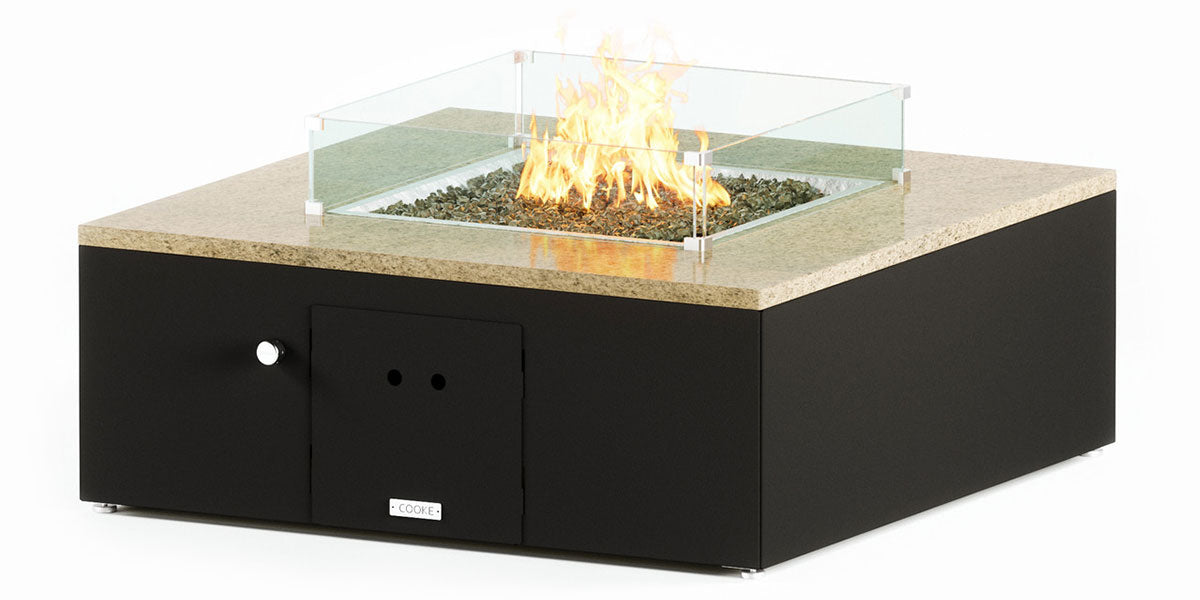
Combination heating outperforms single sources. Pairing fire pits with patio heaters delivers optimal winter coverage—high end rectangle fire pit tables work particularly well in this setup, their flat surfaces providing functional space while overhead heaters address the ambient temperature. Patio heaters cost $150-$2,500 and increase usage by 25%, the highest single accessory impact. Both solutions earn "Very High" ROI ratings: fire features provide focal-point ambiance while patio heaters supply consistent overhead warmth. Consider patio heaters as "High" priority additions for serious winter use.
When Fire Pits Might Not Be the Best Option for Consistent Warmth
Environmental impact varies significantly by fuel. Wood-burning produces high particulate matter and emits 5.19-17.32 lbs CO2 hourly—earning a high emissions rating. Natural gas (3.54-10.62 lbs CO2/hour) and propane (4.46-13.37 lbs CO2/hour) rate low emissions. For environmentally conscious properties or areas with air quality regulations, gas and propane outperform wood-burning substantially.
Pros and Cons of Fire Pits vs. Other Heating Solutions
Flexibility differs by fuel type. Natural gas offers zero portability—it's a fixed installation. Propane provides high portability with tank mobility. Wood-burning delivers low portability depending on design weight. Cooking capability flips this hierarchy: wood-burning excels as a natural cooking surface, while gas and propane require accessory additions. Choose based on priorities—permanence and convenience favor gas, flexibility suits propane, and traditional cooking demands wood-burning.
Maximizing the Potential of Fire Pits in Mild-Winter Climates
Fire pits deliver substantial value in mild climates when properly enhanced and maintained. Strategic investment in accessories and durable materials maximizes both usage and return.
Final Recommendations for Winterizing and Maintaining Fire Pits in Mild Climates
Start with the Essential Trio (wind guard, seating, cover) at $550-$9,400—it delivers 200%+ ROI. The Year-Round Package (Essential Trio plus heater and lighting) costs $900-$14,900 and pushes usage to 405 annual hours (+125% from base). Budget-conscious buyers gain maximum value at $2,390 investment ($19.12 per hour gained). The mid-tier sweet spot hits $8,500 for 180 additional hours ($47.22 per hour). For longevity, choose stainless steel (15-20 years), natural stone (25-40 years), or Corten steel (30+ years). Quality materials and targeted enhancements transform fire pits from seasonal accessories into year-round outdoor living anchors.
Ready to Extend Your Outdoor Season?
So-Cal Fire Pits specializes in year-round outdoor living solutions designed for mild-winter climates. Our experts help you select the right fuel type, materials, and enhancement packages to maximize winter usage and property value.
Whether you're considering a budget-friendly propane setup, elegant upscale pit fire bowls for a sculptural focal point, or a luxury natural gas installation with full winterization accessories, we provide professional guidance on BTU requirements, spatial planning, and code compliance. Transform your outdoor space into a four-season destination..
Contact So-Cal Fire Pits today for a free consultation and discover how strategic fire pit investment delivers 200%+ ROI while creating the perfect winter gathering spot for your home.
You may also like
View all

