Key Takeaways
- Fire pit “style” for contractors includes form factor, materials, ignition systems, surrounds, and furniture integration, and it must be planned around climate exposure and site constraints.
- Fuel type and burner geometry directly shape the look and feasibility of an install, with gas and bioethanol enabling tighter footprints and cleaner operation than wood-burning in many settings.
- Coastal projects prioritize corrosion resistance and drainage, favoring marine-grade aluminum and higher-grade stainless options to withstand salt, fog, and wind-driven moisture.
- Desert builds prioritize UV stability and thermal-cycle durability, favoring thick-gauge metals, refractory interiors, heat-tolerant stone, and UV-resistant sealants to prevent warping, fading, and cracking.
- Commercial, multifamily, and residential defaults differ, with modular kits streamlining single-family work, vent-free options fitting rooftops and balconies, and smart controls plus serviceability driving commercial performance.
Modern fire pit installations vary dramatically based on where you're building. A beachfront property in San Diego demands different materials, finishes, and design language than a Phoenix backyard. This fire pit style guide breaks down regional fire pit trends so contractors can specify the right products for each climate and client. Whether you're working with coastal fire pit styles that fight salt corrosion or desert fire pit designs that handle extreme UV and thermal cycling, understanding these distinctions separates professional installations from costly callbacks. The following sections cover everything from material selection to smart technology integration for outdoor living fire pits.
What Does "Fire Pit Style" Mean for Contractors Planning Regional Installs?
Style isn't just aesthetics. For contractors, fire pit style encompasses form factor, material selection, ignition systems, surrounding hardscape, and how the feature integrates with seating and outdoor furniture. Regional factors like climate exposure, local codes, and client lifestyle preferences all influence which combination works best. Understanding these variables upfront prevents change orders and ensures installations that perform for decades.
Form Factor, Materials, Ignition, and Surrounds Define Fire Pit Style
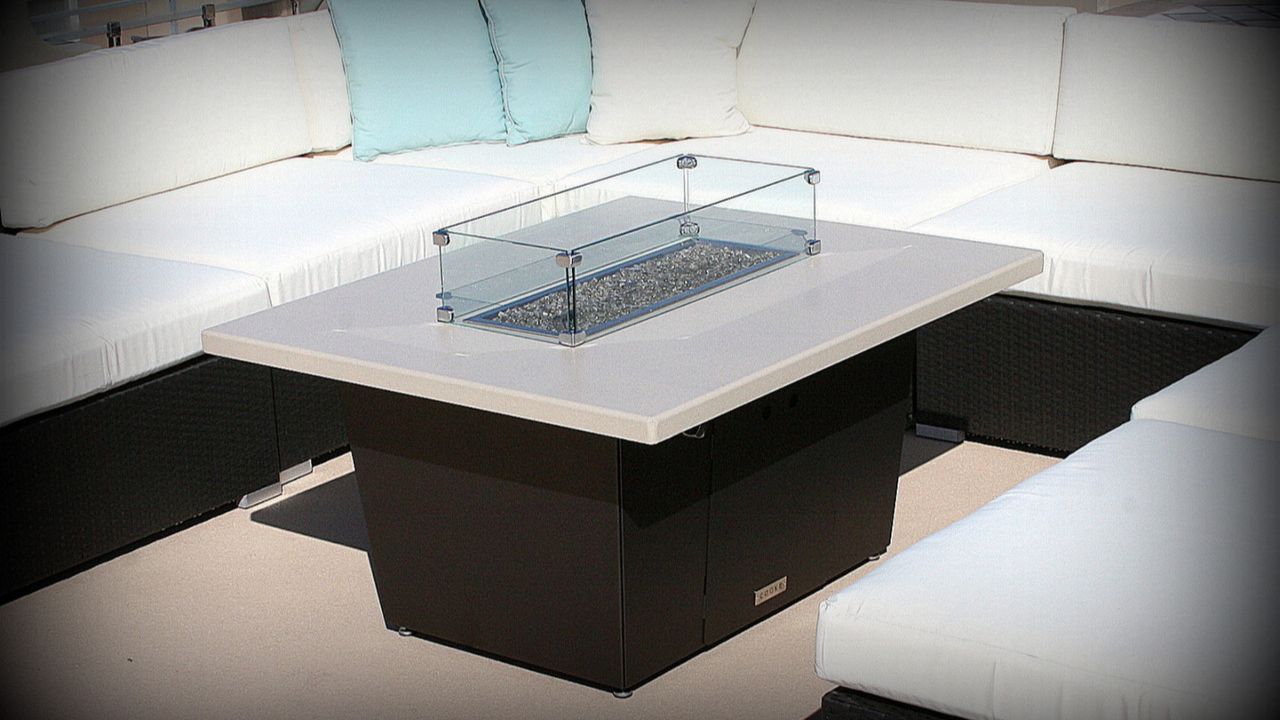
Fire pit style starts with form factor. The main categories are fire pit tables, bowls, linear burners, and built-in masonry pits. Each serves different spatial and functional needs. For 2026, design trends favor geometric shapes. Linear and hexagonal fire pits dominate luxury installations where clean architectural lines matter. Fire pit tables remain popular because they combine the fire feature with a usable tabletop surface—clients get ambiance and function in one footprint.
Materials and ignition systems further define style. Gas units with electronic ignition deliver instant flames and precise control. Wood-burning pits offer traditional appeal but require more clearance and maintenance. The surround—whether natural stone, GFRC, or powder-coated steel—ties the feature to the broader hardscape design.
Regional Preferences Drive Different Fire Pit Looks and Layouts
Client expectations shift based on geography. Urban areas lead smart technology adoption, with 85% of urban projects specifying smart controls and 75% requesting home automation integration. These clients want app-controlled flames and seamless connection to systems like Control4 or Crestron.
Desert regions prioritize heat retention technology in 70% of installations. Clients want fire pits that radiate warmth long after flames die down, making high-mass materials like concrete and stone essential. Coastal clients gravitate toward clean lines, natural stone veneers, and sleek marine-grade aluminum or stainless steel finishes. The aesthetic must match the environment, while materials must withstand salt air and humidity.
Lifestyle Use-Cases Shape Style Selection
How clients plan to use the fire pit determines which features matter most. Contemporary outdoor living fire pits are evolving into versatile outdoor kitchen centers. These units integrate grills, rotisseries, pizza ovens, and smokers into a single installation. Advanced cooking systems accommodate up to four swing frames, allowing simultaneous cooking at varying heights and heat zones.
Entertainment-focused clients need different considerations. Luxury installations increasingly require multi-sensory design that goes beyond visual appeal. Acoustic planning matters—strategically placed water features producing 40-60 dB effectively mask urban noise and create serene gathering spaces. Contractors who understand these lifestyle drivers can recommend appropriate features before clients even ask.
What Are the Most Common Fire Pit Style Categories Contractors Should Know?
Contractors need fluency in the major fire pit categories to match client needs quickly. Each category serves different budgets, spaces, and functional requirements. Knowing when to specify each type prevents overbuilding small patios or underdelivering on luxury projects. This section of our fire pit style guide covers the core categories and design languages shaping regional fire pit trends.
Fire Pit Tables, Bowls, Linear Burners, and Masonry Pits Serve Different Needs
Fire pit tables combine functional surfaces with fire features. Guests can set drinks on the edge while enjoying flames in the center. These work best for entertaining-focused clients with moderate patio space. Bowls offer a more traditional aesthetic and work well as standalone focal points.
Linear burners create dramatic flame lines that integrate with modern architecture. These suit contemporary homes where the fire feature should complement rather than dominate. Built-in masonry pits offer permanence and can incorporate refractory materials for superior heat management. They're ideal for clients wanting a custom centerpiece that anchors the entire outdoor living fire pits design.
Portable Features Suit Flexibility, While Permanent Installations Offer Performance
Portability matters for rentals, multi-use spaces, and applications where gas lines aren't feasible. Bioethanol units enable vent-free design with absolute flexibility. They work indoors and outdoors, including high-rise balconies where traditional venting is impossible. No chimney, no gas line, no permits in most jurisdictions.
Permanent gas installations deliver superior performance but require planning. Certified plumber involvement is mandatory. Gas line routing, valve placement, and enclosure ventilation must be specified before hardscape work begins. The tradeoff is reliable ignition, adjustable flame control, and lower operating costs over time.
Modern, Coastal, Rustic, and Desert Contemporary Define Current Design Languages
Design language should match the home and region. Modern projects favor Corten steel with its aesthetic weathering patina. This material ages gracefully and suits luxury minimalist designs where the fire pit reads as sculptural art.
Coastal fire pit styles demand marine-grade aluminum and 316L stainless steel. Clean lines and corrosion-resistant finishes are non-negotiable near salt air. Desert fire pit design trends toward earth-toned concrete, natural stone, and rustic metal finishes. Patinated carbon steel integrates with arid landscapes while handling extreme UV exposure. Mediterranean styles blend elements from both, often incorporating tile surrounds and warm-toned masonry.
How Do Fuel Type and Burner Configuration Influence Fire Pit Aesthetics?
Fuel choice affects more than operating costs. It determines setback requirements, flame characteristics, and which design styles are even possible. Burner shape and media selection further refine the visual outcome. Contractors who understand these relationships can guide clients toward fire pit configurations that deliver both the look they want and the performance their site allows.
Gas Fire Pits Enable Compact Designs, While Wood-Burning Requires Distance
Gas features can often be installed directly adjacent to structures. This opens up design possibilities for small patios, rooftop decks, and tight urban lots where space is premium. Propane and natural gas produce controlled flames without smoke or embers, making them ideal for outdoor living fire pits in dense neighborhoods.
Wood-burning features typically require a 15-25-foot setback from structures due to smoke and ember risk. This limits placement options and eliminates wood as a choice for many properties. Bioethanol offers a third path—it burns cleanly, producing only heat, steam, and CO2 with no soot, smoke, or ash. For coastal fire pit styles on beachfront balconies or desert fire pit design on covered patios, bioethanol often solves code compliance issues that rule out other fuels.
Round, Linear, and Rectangular Burners Create Distinct Visual Effects
Burner geometry shapes the flame pattern clients see. Round drop-in torpedo burners with electronic ignition work seamlessly with smartphone control—popular for regional fire pit trends emphasizing smart home integration. These create a central flame column that draws the eye inward.
Linear burners produce dramatic horizontal flame lines suited to modern architectural integration. They optimize spatial planning and can complement acoustic design when paired with appropriate materials. For cooking applications, BTU output matters. Units producing 58,000+ BTUs generate the heat needed for grilling and searing. Higher output also means taller, more visually commanding flames—a consideration for clients wanting their fire pit to anchor the space.
Media Choices Define Style From Rustic to Contemporary
What surrounds the flame affects the overall aesthetic as much as the burner itself. Lava rock reads traditional and rustic, blending well with natural stone surrounds. Recycled fire glass serves as a sustainable alternative while delivering a contemporary look. Glass reflects and refracts light, creating shimmer effects that complement modern and coastal fire pit styles.
Media choice also carries environmental implications worth mentioning to eco-conscious clients. The average fire pit emits 10-50 kg CO2e per use, depending on fuel and efficiency. Clean-burning gas paired with fire glass delivers that modern aesthetic while reducing operational emissions. Ceramic logs split the difference—they mimic wood-burning appearance without the particulate output, suiting clients who want traditional warmth with cleaner operation. This fire pit style guide recommends matching media to both design language and client values.
What Site Context and Hardscape Design Constraints Shape Fire Pit Style Decisions?
The site dictates what's possible before style preferences enter the conversation. Patio dimensions, traffic flow, wind patterns, and code-required clearances all constrain which fire pit configurations actually work. Contractors who assess these factors first avoid proposing designs that won't fit or won't pass inspection. This section covers the practical site considerations that shape outdoor living firepit installations.
Patio Size, Seating Geometry, and Traffic Paths Determine Fire Pit Shape
Fire pit shape must work with available space and intended circulation. Round pits suit circular seating arrangements and create natural gathering focal points. Linear burners work better along edges or where traffic needs to flow past the feature. For cooking-focused installations, the fire pit basin must be large enough to support two-zone setups—a hot zone for searing and a cooler zone for indirect cooking.
Seating walls and integrated features expand functionality without consuming additional footprint. Speakers can be built into seating walls or the fire pit structure itself, creating immersive audio zones for entertainment-focused clients. This fire pit style guide recommends planning these integrations during design rather than retrofitting later. Regional fire pit trends increasingly favor these multi-function approaches, especially in urban areas where every square foot matters.
Wind Exposure and Microclimates Affect Flame Presentation and Comfort
Wind disrupts flames and pushes heat away from seating areas. Exposed coastal sites and open desert properties need wind management strategies. For wood-burning units, airflow adjustment through vents and dampers controls oxygen supply—more air increases heat intensity while restricted airflow lowers temperature and extends burn time.
Material selection also affects comfort in challenging microclimates. High-mass materials like high-performance concrete and natural stone absorb heat during operation and radiate warmth long after flames are extinguished. This matters particularly for desert fire pit design, where evening temperatures drop rapidly. Coastal fire pit styles benefit from windscreens or recessed installations that protect flames while maintaining sightlines.
Clearance and Noncombustible-Zone Requirements Dictate Placement Options
Code compliance isn't optional, and clearance requirements vary significantly by fuel type. Gas-fired pits generally require 5-10 feet of clearance from combustible materials, though exact distances vary by heat output and local jurisdiction. Wood-burning pits demand much more space—typically 10-25 feet from homes, garages, fences, and other structures.
Common minimums for gas-fueled devices include 36 inches from side walls and 8 feet from overhead ceilings or pergola structures. These requirements often eliminate certain locations and force fuel type decisions based on available space rather than preference. Contractors should verify local codes early since regional fire pit trends in fire-prone areas like Southern California often impose stricter requirements than national standards suggest.
What Are the Best "Default" Fire Pit Styles for Residential vs Commercial Projects?
Different project types demand different approaches. Single-family backyards allow more customization while commercial installations prioritize durability and serviceability. Multifamily projects fall somewhere between, with added constraints around shared spaces and building codes. This fire pit style guide breaks down reliable default choices for each category so contractors can start proposals from proven foundations.
Pre-Built Modular Kits Work Best for Single-Family Backyards and Small Patios
Residential projects rarely justify fully custom fabrication. Pre-built modular fire pit kits from manufacturers like Belgard, RTF Systems, and Uniframe Systems simplify construction while ensuring a professional finish. These systems include commercial-grade frames, properly sized burners, and coordinated surrounds that eliminate guesswork.
For smaller outdoor living fire pits on modest patios, a standard paver base is typically sufficient. This reduces foundation costs and installation time. The kits accommodate various regional fire pit trends—contractors can specify coastal fire pit styles with marine-grade components or desert fire pit design with heat-resistant finishes using the same underlying frame systems. Modular doesn't mean generic when you select appropriate materials and media for the region.
Vent-Free Systems Suit Multifamily Courtyards, Rooftops, and Balconies
Multifamily projects introduce constraints that eliminate many fuel options. Gas lines require building-wide coordination. Wood burning is typically prohibited. Rooftops and balconies often can't accommodate traditional venting. Bioethanol vent-free systems solve these problems, eliminating the need for gas infrastructure or chimneys.
For balcony applications where even bioethanol raises concerns, LED electric fireplaces create realistic flame effects with zero emissions and zero fire risk. These won't satisfy clients wanting authentic flames, but they check boxes for property managers focused on liability. Both options align with regional fire pit trends in dense urban markets where code compliance often matters more than fuel authenticity.
Smart Controls and Serviceability Define Commercial Fire Pit Success
Restaurants, hotels, and event spaces need fire pits that staff can operate reliably without specialized training. Smart controls with app-based remote ignition, flame sensing, and home automation integration through platforms like Control4 or Crestron deliver this convenience. Managers can control multiple fire features from a single interface.
Long-term maintenance costs matter more in commercial contexts than residential ones. Systems featuring LED-based diagnostics designed for field serviceability reduce downtime and service calls. When a burner issue arises, technicians can diagnose problems quickly without extensive disassembly. This fire pit style guide recommends prioritizing these serviceability features over aesthetic upgrades when budgets force tradeoffs on commercial projects.
How Do Fire Pit Styles Vary From Coastal to Desert Regions?
Regional environment determines material survival as much as aesthetic fit. Coastal fire pit styles must withstand salt corrosion, while desert fire pit design handles UV bombardment and extreme thermal swings. Contractors working across regions need different material specifications even when clients request similar looks. This section details the regional fire pit trends that separate lasting installations from premature failures.
Coastal Design Cues Emphasize Clean Lines and Corrosion-Resistant Materials
Coastal aesthetics favor designs that complement ocean landscapes without competing with views. Clean lines, natural stone veneers, and understated profiles work best. The palette tends toward cool grays, weathered whites, and materials that echo sand and surf. Outdoor living fire pits in these settings should feel like natural extensions of the coastal environment.
Montana Fire Pits offers "Coastal Optimized" configurations specifically using corrosion-resistant aluminum and concrete. These purpose-built options save contractors from sourcing and specifying individual components while ensuring material compatibility with salt air exposure.
Salt, Fog, and Wind Demand Specific Coastal Material Choices
Standard materials fail quickly near saltwater. Type 316, 316L, or 2205 stainless steel offers superior corrosion and pit resistance compared to Type 304, which develops surface rust in salt air within months. Marine-grade aluminum naturally resists rusting and breakdown from salt exposure, making it ideal for frames and structural components.
Design details matter as much as material selection. Excellent drainage is essential to prevent standing water that accelerates corrosion. Recessed areas, decorative channels, and any horizontal surfaces should slope away from the fire feature. This fire pit style guide recommends assuming everything will get wet and stay wet in coastal environments.
Desert Design Integrates With Arid Landscapes Through Warm Tones and Natural Materials
Desert fire pit design draws from the surrounding terrain. Natural stone, earth-toned concrete, and rustic metal finishes blend with arid landscapes rather than fighting them. The palette runs warm—terracotta, rust, sand, and charcoal tones that echo desert geology. Fire Pit Art and Ohio Flame specialize in thick carbon steel with iron-oxide patina finishes that develop character over time while handling desert conditions.
These regional fire pit trends reflect both aesthetic preferences and practical reality. Materials that look appropriate in desert settings often happen to perform well there, too—a fortunate alignment that simplifies specification.
UV, Sand, and Thermal Cycling Require Desert-Specific Material Solutions
Desert exposure punishes materials differently than coastal salt. Intense UV degrades finishes, sand abrades surfaces, and daily temperature swings stress joints and seams. Quarter-inch thick carbon steel with high-temperature resistant coating or maintenance-free iron-oxide patina handles these conditions. Thinner materials warp under thermal cycling.
For fire pit interiors and surrounds, basalt and volcanic rock offer exceptional heat resistance suited to desert installations. All exposed materials should be treated with UV-resistant sealants to prevent fading, chalking, and degradation. Without UV protection, even quality concrete and stone will deteriorate visibly within a few seasons.
Adapting Core Styles Requires Region-Specific Material Substitutions
Contractors can deliver similar design languages across regions by swapping materials while maintaining form. For coastal fire pit styles, a duplex coating system—paint or powder coating over hot-dip galvanizing—significantly extends metal component life. This sacrificial zinc layer provides backup protection when the topcoat gets scratched or worn.
Desert fire pit design demands different adaptations. Refractory materials like firebrick and refractory cement are essential for the fire pit interior to prevent cracking from repeated heat cycles. Both regions benefit from stainless steel inserts that protect the surrounding hardscape from direct heat damage. The insert creates a thermal barrier that preserves decorative finishes regardless of regional exposure type.
Partner With SoCal Fire Pits for Your Next Regional Installation
Successful fire pit installations start with understanding regional demands. Coastal projects require corrosion-resistant materials like 316L stainless steel and marine-grade aluminum. Desert builds need UV-stable finishes, refractory linings, and thick-gauge steel that handles thermal cycling. Getting these specifications right separates installations that last decades from those requiring callbacks within years.
At SoCal Fire Pits, we specialize in both coastal fire pit styles and desert fire pit design across Southern California. Our team helps contractors specify the right materials, burners, and finishes for every climate zone. Whether you're bidding on a beachfront property or a Phoenix backyard, we provide the expertise and products to deliver lasting results.
Ready to streamline your next project? Contact us for a quote or call today.