
Key Takeaways
- Community fire pits convert underused common areas into social hubs that increase resident interaction, event participation, satisfaction, and perceived property value when designed as a true destination.
- The best HOA outcomes come from full-scope planning that includes stakeholder approvals, complete budgets for installation and annual maintenance, and proactive insurance and liability documentation.
- Format and layout decisions drive real community connection, with circular seating, durable built-ins or practical fire tables, and add-ons like lighting, shade, power, and storage, boosting daily amenity usage.
- Programming turns the fire pit into a community engine, using repeatable events, clear shared-space rules, inclusive accessibility features, and simple reservation systems to reduce conflict and raise participation.
- Safety and compliance must be built in from day one through clearance and surface requirements, fuel choices that match local ordinances and burn bans, emergency readiness, and policies for hours, noise, and guests.
Community fire pits do more than add visual appeal to shared spaces. They create destinations where neighbors meet, talk, and build relationships that strengthen the entire community. For HOA boards and contractors, social fire pit installations represent a strategic investment in resident satisfaction and property value. This guide walks through the planning, design, and execution of HOA fire pit projects that deliver measurable results. From choosing the right format to avoiding common mistakes, contractors will learn how to position neighborhood gathering spots as long-term community assets that justify their cost many times over.
Why Do Fire Pit Amenities Help HOAs Build Stronger Communities?
Fire pit community design transforms unused common areas into active social hubs. When residents have a reason to gather outdoors, they stop being strangers who share a zip code. They become neighbors who know each other's names. The data backs this up. HOA fire pit projects consistently outperform other amenity investments when measured by engagement, satisfaction, and perceived value.
Shared Fire Pit Spaces Dramatically Increase Resident Interaction
Community fire pits change how people use shared spaces. Without a focal point, common areas sit empty. Add fire, and residents show up. Studies show neighbor interactions increase by 45% when shared fire pit spaces are introduced. Social engagement jumps even higher—an 80% boost compared to communities without fire amenities.
The psychology is simple. Fire draws people in. It permits them to linger. Conversations happen naturally around flames in ways they don't around benches or picnic tables. For contractors pitching these projects, this behavioral shift is the core value proposition.
Fire Features Drive Higher Amenity Usage and Perceived Property Value
Empty amenities drain HOA budgets without delivering returns. Social fire pit installations solve this problem. Community event attendance improves by 38% when fire pits anchor the programming. Residents actually show up for s'mores nights, holiday gatherings, and casual Friday meetups.
The financial upside extends beyond usage metrics. Property value perception increases by 28% in communities with well-designed neighborhood gathering spots. Prospective buyers notice. Current owners feel better about their investment. This perception translates into real dollars when units sell.
Boards Should Expect Measurable Gains in Engagement, Satisfaction, and Retention
HOA boards want numbers. Fire pit community design delivers them. Resident satisfaction scores reach 82 out of 100 in communities with active fire pit amenities—a 35% improvement over baseline. HOA engagement itself rises by 42%, meaning more volunteers, better meeting attendance, and fewer complaints.
These outcomes matter for retention. Satisfied residents renew leases and recommend the community to friends. They pay assessments without complaint. They participate instead of criticizing. For contractors, framing HOA fire pit projects around these outcomes turns a landscaping proposal into a strategic community investment.
What Types of HOA Communities Benefit Most From Fire Pit Connection Projects?
Not every community gets the same return from social fire pit installations. Demographics, density, and climate all influence outcomes. Contractors who understand these variables can target the right projects and set realistic expectations. The good news: most community profiles benefit. The key is matching the fire pit approach to the specific context.
Families, Retirees, and Mixed-Use Communities All Benefit—Differently
Family-oriented communities use neighborhood gathering spots for supervised outdoor time. Kids roast marshmallows while parents socialize. The fire pit becomes neutral ground where busy families actually connect. Retirees value these spaces differently. They want comfortable seating, accessible pathways, and quieter hours. Fire pit community design for 55+ communities emphasizes daytime use and lower-intensity programming.
Mixed-use developments present the best opportunity. Diverse resident profiles mean the fire pit serves multiple functions throughout the day. Morning coffee groups. After-work decompression. Weekend family events. Contractors should highlight this flexibility when pitching HOA fire pit projects to mixed-demographic boards.
Density and Property Type Shape the Right Fire Pit Approach
High-density condos need compact, high-impact designs. Space is limited. Community fire pits must serve many residents without creating bottlenecks. Linear burners and fire tables work well. They fit tight footprints while still drawing crowds. Noise and smoke management matter more here—neighbors live closer.
Townhome communities offer more flexibility. Shared courtyards and larger common areas accommodate built-in fire features with generous seating. Master-planned developments can go bigger. Multiple neighborhood gathering spots distributed across the property prevent overcrowding and encourage use across all sections. The scale changes, but the community-building principle stays constant.
Seasonal Climate Directly Impacts ROI—But the Numbers Still Work
Mild climates get year-round use. That's obvious. But even seasonal markets deliver strong returns. Social fire pit installations extend outdoor seasons by weeks in spring and fall. Residents bundle up for crisp autumn evenings they'd otherwise spend indoors. Fire pit projects typically break even between Year 1 and Year 2, regardless of region.
The long-term math favors investment. Five-year cumulative net benefit reaches $73,900 for a typical mid-range installation. Sun Belt communities hit this faster. Northern markets take slightly longer but still achieve positive ROI well within the asset's lifespan. Contractors should run climate-adjusted projections, but the underlying case remains strong across most U.S. markets.
What Should HOA Contractors Plan Before Proposing a Community Fire Pit Project?
Successful HOA fire pit projects start long before the first shovel hits dirt. Contractors who show up with complete proposals win more bids and avoid costly surprises. Boards want confidence that someone has thought through approvals, budgets, and risks. Front-loading this planning work separates professional contractors from amateurs pitching incomplete ideas.
Multiple Stakeholder Approvals and Documentation Are Typically Required
Community fire pits don't get approved by one person. The board votes on major expenditures. Property managers weigh in on operational feasibility. Architectural review committees assess design consistency with community standards. Some associations require resident surveys or town hall presentations before approving amenity investments.
Contractors should map this approval chain early. Request governing documents upfront. Identify who signs off and in what order. Prepare materials tailored to each audience—financial summaries for boards, maintenance plans for managers, aesthetic renderings for architectural committees. Anticipating these requirements speeds approval and builds trust.
Comprehensive Budgets Must Cover Equipment, Hardscape, Utilities, and Ongoing Maintenance
Incomplete budgets kill projects. Boards reject proposals that leave obvious costs unaddressed. Initial investment for a typical mid-range commercial fire pit installation runs approximately $25,000. This covers the fire feature itself, surrounding hardscape, gas line or propane infrastructure, and basic site preparation.
But installation is only part of the picture. Annual maintenance costs average $1,500 for cleaning, inspections, seasonal prep, and minor repairs. Smart contractors also budget for complementary elements: seating, lighting, pathway improvements, and signage. Presenting a complete financial picture—including five-year projections—positions social fire pit installations as planned investments rather than impulsive purchases.
Liability, Insurance, and Risk Considerations Require Upfront Attention
Fire means risk. Boards know this. Contractors who proactively address liability concerns remove a major objection before it derails the conversation. Start with insurance verification. Confirm the HOA's general liability policy covers fire amenities. Some carriers require riders or impose specific safety requirements for neighborhood gathering spots.
Document everything. Specify clearance distances, surface materials, and shutoff mechanisms in your proposal. Reference applicable fire codes and manufacturer safety certifications. Recommend usage policies that limit hours and prohibit unattended flames. Addressing risk upfront shows professionalism and protects everyone involved in fire pit community design projects.
What Fire Pit Formats Work Best for HOA Common Areas?
Format selection makes or breaks HOA fire pit projects. The right choice depends on space constraints, budget, and intended use patterns. Contractors must balance aesthetics with durability, ambiance with functionality. Community fire pits see heavy use from diverse residents. They need to look good, work reliably, and encourage the social interactions that justify the investment.
Fire Pit Tables Offer Flexibility, Linear Burners Suit Modern Spaces, Built-Ins Maximize Durability
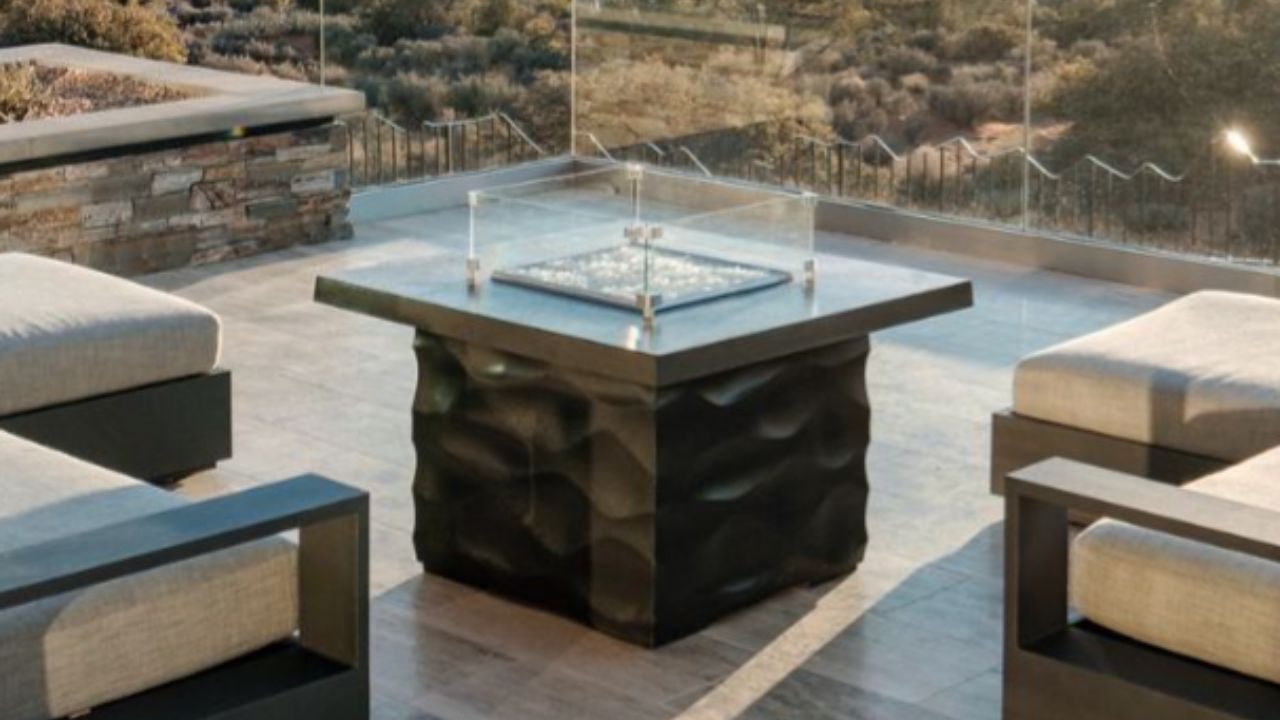
Fire pit tables work well for communities wanting versatility. They combine surface space with flame, letting residents set down drinks and food while socializing. They're easier to replace or relocate if needs change. Linear burners suit contemporary fire pit community design. Their elongated flames create dramatic focal points along walls, seating edges, or water features. They work in tighter spaces where round formats won't fit.
Built-in fire features deliver maximum durability for high-traffic neighborhood gathering spots. Custom stonework or concrete surrounds withstand years of heavy use. They signal permanence and investment. The tradeoff: higher upfront costs and zero flexibility if the layout needs adjustment later. For established communities with stable common area plans, built-ins often make the most sense.
Circular Seating Layouts Maximize Face-to-Face Interaction
Seating arrangement determines whether social fire pit installations actually build community. Circular layouts work best. They put residents face-to-face, encouraging conversation across the fire. Nobody gets stuck on the outside looking in. Everyone shares equal access to warmth and sightlines.
Avoid benches arranged in parallel rows—they discourage interaction. Curved built-in seating or arranged chairs in a ring keep groups intimate without crowding. Leave enough space between seats for comfortable movement. Eight to twelve seats typically balance capacity with connection for most community fire pits.
Shade Structures, Lighting, Power, and Storage Dramatically Increase Usage
Fire alone isn't enough. Complementary amenities turn occasional use into a daily habit. Shade structures extend daytime comfort during warmer months. String lighting creates ambiance after dark and helps residents feel safe in the space. The combination transforms a simple fire feature into a true outdoor room.
Practical additions matter too. Electrical outlets let residents charge phones or plug in speakers for events. Nearby water access simplifies cleanup after s'mores nights and community gatherings. Lockable storage for cushions, fire-starting supplies, and programming materials keeps the space ready for spontaneous use. These supporting elements increase the return on HOA fire pit projects by ensuring the amenity gets used year-round.
How Can HOA Contractors Use Fire Pits to Build Stronger Neighborhood Communities?
Installation is just the beginning. The real value of social fire pit installations comes from how residents use them. Contractors who help boards plan programming, rules, and accessibility features deliver more than hardscape—they deliver community transformation. This operational guidance differentiates commodity contractors from trusted advisors. It also ensures the amenity achieves the outcomes that justified the investment.
Monthly Socials, S'mores Nights, and Game Nights Drive the Highest Engagement
Structured events permit residents to show up. Without programming, community fire pits rely on spontaneous use alone. That works sometimes. Scheduled events work every time. Guest satisfaction rates improve by 31% when fire pit events anchor the social calendar. Average stay duration at these gatherings increases by 89%—people linger when there's a reason to stay.
Monthly socials require minimal planning. Set a recurring date. Provide basic refreshments. Let conversation happen naturally. S'mores nights add interactive fun that appeals to all ages. Game nights work well in cooler months when residents want activity alongside warmth. The key is consistency. Regular programming builds habits. Habits build community. Contractors should include sample event calendars in their HOA fire pit project proposals.
Clear Shared Space Rules Encourage Connection Without Creating Conflict
Rules exist to protect the amenity and the experience. Vague policies create confusion and neighbor disputes. Effective fire pit community design includes governance recommendations. Specify hours of operation—typically dusk until 10 PM on weeknights, later on weekends. Set guest limits to prevent overcrowding. Establish noise expectations in writing.
Frame rules positively. "Please keep conversations at levels that welcome others to join" works better than "No loud talking." Post signage that feels welcoming rather than punitive. Enforcement should be consistent but measured. The goal is shared enjoyment, not strict policing. Contractors who help template policies boards launch neighborhood gathering spots without reinventing governance from scratch.
Accessibility and Inclusivity Features Make Fire Pit Areas Welcoming for All Residents
Community fire pits must serve everyone. ADA-compliant pathways aren't optional—they're baseline requirements. Ensure smooth, stable surfaces from parking areas to seating. Leave wheelchair-accessible gaps in circular seating arrangements. Avoid sunken designs that create barriers for mobility-impaired residents.
Inclusivity extends beyond physical access. Varied seating heights accommodate different needs. Adequate lighting helps residents with vision impairments navigate safely. Quieter zones near the fire pit welcome residents who enjoy the ambiance but find loud gatherings overwhelming. Social fire pit installations succeed when every resident feels the space belongs to them.
Reservation Systems and Usage Data Help HOAs Improve Participation Over Time
What gets measured improves. Simple reservation systems—digital or clipboard-based—generate valuable data. Track which time slots fill up. Note which events draw crowds and which fall flat. Monitor seasonal patterns. This information guides future programming and identifies underserved resident segments.
Reservation systems also prevent conflicts. When two groups want the same Friday evening slot, a clear process resolves the issue fairly. Some communities reserve prime slots for organized events while leaving other times open for spontaneous use. Over time, usage data reveals whether HOA fire pit projects are meeting their community-building goals—or need adjustment to reach their potential.
What Rules, Safety Standards, and Compliance Issues Matter Most for HOA Fire Pit Projects?
Fire pit community design carries inherent risk. Flames, hot surfaces, and evening use create liability exposure that boards take seriously. Contractors who demonstrate safety expertise win more projects and protect their own reputations. Compliance isn't optional—it's foundational. Getting this right prevents injuries, lawsuits, and the kind of incidents that turn community amenities into community regrets.
Clearance, Surface, and Ventilation Requirements Protect Residents and Property
Building codes specify minimum distances between flames and combustible materials. Most jurisdictions require 10 feet of clearance from structures, overhangs, and fencing. Community fire pits need non-combustible surfaces underneath and surrounding the fire feature. Concrete, pavers, or stone work. Wood decking doesn't.
Ventilation matters for covered or semi-enclosed installations. Gas and wood fires produce carbon monoxide. Open-air designs eliminate this concern. Partially covered neighborhood gathering spots need engineered airflow to prevent dangerous accumulation. Contractors should document all clearance and ventilation specifications in project plans. This protects the HOA and demonstrates professional diligence.
Burn Bans and Local Ordinances Determine Which Fuel Types Are Permitted
Wood-burning fire pits face the most restrictions. Many municipalities ban open wood fires entirely in multi-family settings. Seasonal burn bans add unpredictability—the amenity works until air quality triggers a prohibition. Gas-fueled social fire pit installations avoid most burn ban issues. Natural gas and propane produce cleaner combustion that typically exempts them from seasonal restrictions.
Ethanol burners offer another compliant option. They produce minimal emissions and require no gas line installation. However, they generate less heat and higher fuel costs over time. For clients seeking both compliance and performance, a luxury fire pit running on natural gas or propane delivers stronger BTU output with cleaner combustion than wood-burning alternatives. Contractors should research local ordinances before recommending fuel types. The wrong choice creates an amenity that sits unused during peak fire season, exactly when residents want it most.
Proper Signage, Staff Training, and Emergency Readiness Reduce Incident Risk
Clear signage sets expectations and provides critical safety information. Post operating instructions near controls. Display emergency shutoff procedures prominently. Include basic fire safety reminders without cluttering the space with warnings that residents will ignore.
Training matters for anyone who operates or monitors the amenity. Property managers and maintenance staff should know startup and shutdown procedures, emergency protocols, and basic troubleshooting. Keep a fire extinguisher rated for the fuel type within 25 feet. Inspect it monthly. HOA fire pit projects succeed long-term when safety infrastructure matches the quality of the installation itself.
Noise Limits, Operating Hours, and Guest Policies Prevent Neighbor Disputes
Fire pits attract evening gatherings. Evening gatherings generate noise. Noise generates complaints. Proactive policies prevent this cycle. Set clear operating hours—10 PM on weeknights and 11 PM on weekends work for most communities. Post these hours visibly and enforce them consistently.
Guest policies prevent overcrowding and reduce anonymous misuse. Require residents to accompany their guests. Set reasonable group size limits based on seating capacity. Some communities restrict private events to designated reservation times while keeping other hours open for casual use. Fire pit community design includes governance planning. Contractors who help policy templates boards launch amenities that enhance the community rather than divide it.
Ready to Transform Your HOA Common Area Into a Neighborhood Gathering Spot?
Community fire pits deliver measurable results. Higher resident satisfaction. Stronger neighbor connections. Increased property values. The data proves what contractors and boards already sense—fire brings people together in ways other amenities simply can't match.
At SoCal Fire Pits, we specialize in social fire pit installations designed for HOA durability and community impact. We handle everything from initial site assessment through final turnover training. Our team understands the approval processes, safety requirements, and design considerations that make HOA fire pit projects successful.
Ready to build stronger community connections? Contact us today for a free consultation and project quote. Let's create the neighborhood gathering spot your residents deserve.