
Key Takeaways
- Proximity control defines romantic fire pit design: Seating positioned 4-6 feet from fire sources and concentric circular arrangements create intimate zones distinct from standard outdoor layouts, increasing guest engagement duration from 45 minutes to 2.5 hours.
- Layered elements extend fire beyond focal point: Successful outdoor romantic setups combine sunken elevations, integrated bench seating, sensory plantings, and flexible lighting infrastructure—each layer reinforcing fire pit ambiance without competing for attention.
- Fire pit tables collapse distance through function: Integrated dining and tabletop models force proximity while maintaining usable surfaces, creating exclusive experiences where flame becomes conversational anchor rather than background element.
- Material selection controls thermal and visual warmth: Corten steel, decorative fire glass, and heated stone seating manage heat radiation and light refraction—transforming fire pit parts and accessories into sensory experiences beyond visual design.
- Documentation protects romantic design at scale: Maintain specification records, safety audit trails, and maintenance histories proving code compliance and ongoing diligence—professional reputation depends on romantic fire pit design performing safely across project lifespan, not just at installation.
Romantic designer fire pit design transforms functional gathering spaces into emotionally calibrated environments. Landscape architects face increasing demand for outdoor romantic setups that balance intimacy with durability, Valentine's fire pit ideas with year-round utility, and fire pit ambiance with liability protection.
This guide addresses landscape design for fire pits through spatial principles, material selection, and specification strategies that create luxurious fire pit features without compromising safety or performance.
From fire pit tables that collapse proximity to documentation protocols that protect professional reputation, these techniques scale residential romance to commercial hospitality applications. Fire pit parts and accessories succeed when invisible; romantic design succeeds when intentional.
What Defines a Romantic Fire Pit Design in Professional Landscape Architecture?
Romantic fire pit design prioritizes proximity, enclosure, and sensory engagement over standard circulation-based layouts. Professional landscape design for fire pits shifts from functional gathering spaces to emotionally calibrated environments where fire pit ambiance drives extended engagement and intimate interaction.
How Does Fire Pit Ambiance Influence Emotional Intimacy in Outdoor Spaces?
Fire pit ambiance directly extends guest engagement and emotional connection. Ritz-Carlton case studies show 34% increases in outdoor evening satisfaction when romantic fire pit design replaced standard seating areas. Average stay duration jumped from 45 minutes to 2.5 hours, demonstrating sustained intimacy. Restaurant installations reported 28% longer dining durations, converting outdoor romantic setups into revenue-generating assets through atmospheric hold time.
Which Spatial Principles Separate Romantic Fire Pit Design From Standard Outdoor Layouts?
Proximity control and radial orientation define romantic configurations. Seating positions 4-6 feet from fire sources balance thermal comfort with visual intimacy—closer than standard safety-only spacing. Tiered arrangements create distinct intimate and social zones within single installations, allowing couples and small groups simultaneous privacy. Concentric circular layouts around central features orient faces inward, eliminating the linear, outward-facing geometry of conventional outdoor seating that discourages eye contact and conversation depth.
How Does Landscape Design for Fire Pits Support Intimate Outdoor Experiences?
Intimacy emerges from controlled visibility, defined boundaries, and deliberate compression. Landscape design for fire pits manipulates elevation, enclosure, and scale to create psychological separation from surrounding spaces—transforming open yards into emotionally bounded environments.
How Do Enclosure, Sightlines, and Circulation Shape Outdoor Romantic Setups?
Vertical manipulation creates immediate intimacy. Sunken fire pit areas lower sightlines and compress spatial volume, psychologically separating users from surrounding landscape. Built-in bench seating integrated into raised planter beds establishes clear boundaries without walls, defining "room" edges through level changes and material transitions. Natural stone paving radiating outward from central fire features directs circulation while reinforcing radial geometry—entry paths become deliberate thresholds rather than casual passages.
Why Does Human-Scale Spacing Matter When Designing for Couples and Small Groups?
Romantic fire pit design succeeds in compact footprints through precise scaling. Urban gardens as small as 1,200 square feet accommodate full installations when fire pit tables and seating are dimensioned for actual use groups. 36-inch diameter fire pits serve families of four or couples without excess scale that disperses intimacy. Multiple distinct zones within single projects allow simultaneous intimate and social experiences—Valentine's fire pit ideas for couples coexist with broader gathering areas, maximizing program density without sacrificing specialized function.
How Can Landscape Architects Design a Romantic Fire Pit Setting for Valentine's Day or Other Intimate Occasions?
Seasonal romantic fire pit design layers temporary elements over permanent infrastructure. Valentine's fire pit ideas prioritize reversible enhancements that elevate fire pit ambiance for specific occasions without sacrificing year-round utility or requiring reinstallation.
How Do Valentine's Fire Pit Ideas Differ From Year-Round Romantic Installations?
Temporary intimacy relies on portable fire pit parts and accessories plus seasonal styling. Tabletop fire pits paired with wine settings transform dining surfaces into intimate focal points without permanent commitment. Seasonal plantings introduce occasion-specific color palettes and textures—vivid blooms for Valentine's Day, evergreens for winter holidays. Red cushions and blankets overlay existing seating with instant romantic atmosphere during winter months, then store away for warm-season use without design compromise.
Which Design Elements Create Temporary Romance Without Compromising Long-Term Use?
Lighting infrastructure enables seasonal transformation. String lighting suspended between pergola structures provides adjustable ambient illumination—dimmed for Valentine's intimacy, brightened for casual gatherings. Layered lighting combining uplighting and overhead strings creates flexible atmosphere control through simple switching. Soft uplighting on specimen trees establishes romantic backdrop year-round while supporting functional visibility. Outdoor romantic setups succeed when permanent hardscape accommodates variable soft elements, allowing clients to customize fire pit ambiance seasonally without requiring professional reinstallation.
What Types of Fire Pits Create the Strongest Romantic Focal Point?
Fire pit geometry dictates interaction patterns. Fire pit tables and circular configurations create fundamentally different romantic experiences—tables force proximity through shared surfaces, while circular bowls organize users around radial focal points.
When Do Fire Pit Tables Enhance Intimacy More Than Traditional Fire Pits?
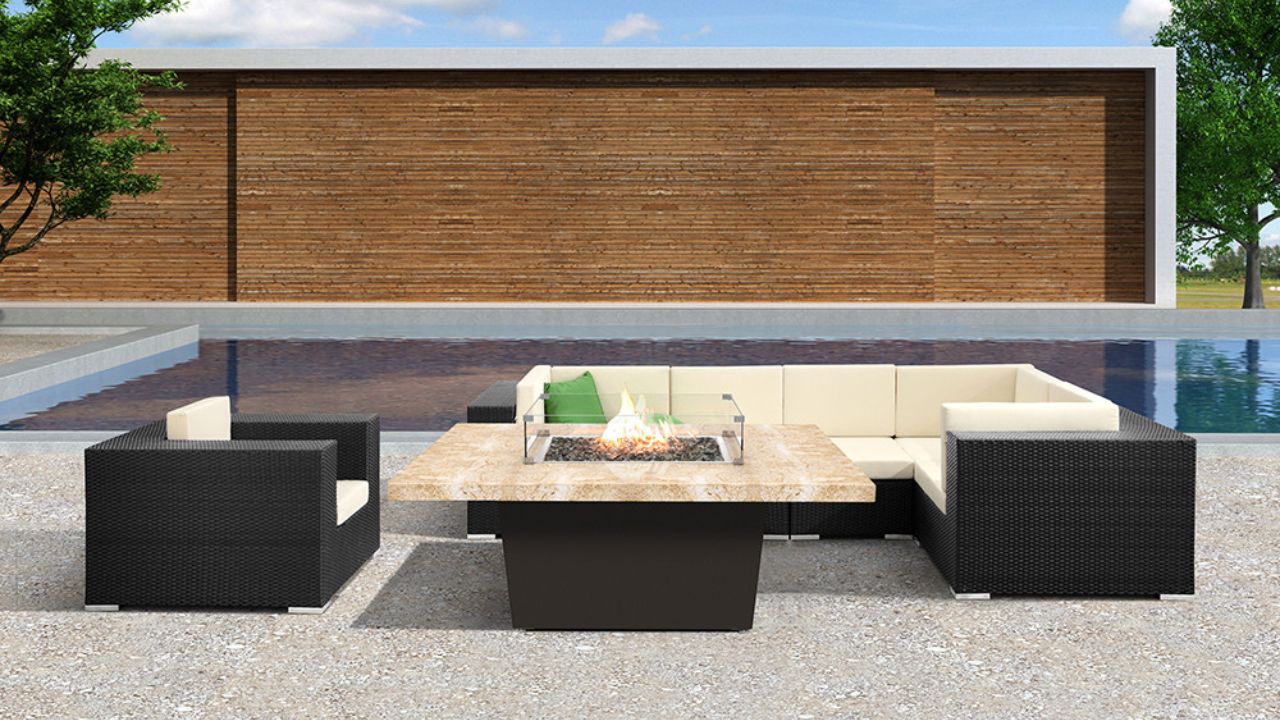
Fire pit tables collapse distance through functional necessity. Intimate two-person fire pits integrated into dining tables create exclusive dining experiences where flame becomes centerpiece and conversational anchor. Central communal fire pit tables with high-top seating facilitate pre-dinner cocktails and conversation—standing height encourages casual movement while fire maintains social gravity. Tabletop models allow close proximity while maintaining functional dining surface, eliminating the separation between eating and gathering zones. Fire pit tables work best when intimacy requires shared activity rather than pure contemplation.
How Do Linear Versus Round Fire Pits Affect Conversation and Proximity?
Circular geometry dominates romantic fire pit design. Circular stone fire pits surrounded by seating enable face-to-face conversation—every seat orients toward fire and all other users simultaneously. 12-foot diameter corten steel bowls serve as sculptural central features for large groups while maintaining radial intimacy at scale. Circular configurations create natural gathering orientation toward fire, eliminating the side-by-side positioning of linear models that forces users to choose between fire view and conversation partner. Linear installations suit processional spaces; luxurious fire pit features for romance demand radial focus.
Which Materials and Finishes Elevate Luxurious Fire Pit Features?
Material selection controls thermal performance, visual warmth, and long-term durability. Luxurious fire pit features depend on finishes that manage heat radiation, reflect firelight, and provide tactile comfort—transforming fire pit parts and accessories into sensory experiences beyond visual design.
How Do Stone, Concrete, and Metal Finishes Change Warmth Perception at Night?
Material choice amplifies or dampens fire pit ambiance through thermal and optical properties. Corten steel provides extended durability with distinctive weathered patina that enriches under firelight, aging into warmer tones—a finish that looks particularly striking on a round propane firepit as the centerpiece of intimate gatherings. Decorative fire glass in blue and amber shades creates visual interest through refracted light, with flames illuminating glass from within and multiplying apparent fire volume. Heated stone seating extends comfort during cooler evenings, radiating stored warmth long after flames diminish. Stainless steel specified for moisture-exposed parts maintains reflectivity without corrosion. Natural stone paving provides thermal mass and upscale aesthetic, absorbing daytime heat for evening release while grounding romantic fire pit design in material permanence.
Why Do Tactile Surfaces Matter in Romantic Fire Pit Design?
Touch governs comfort in intimate spaces. Cool-touch materials for seating and surrounds prevent burns while maintaining aesthetic—users instinctively avoid surfaces radiating excessive heat, disrupting intended proximity. Permeable paving supports drainage, sustainability, and comfortable walking surfaces without pooling water that destroys outdoor romantic setups. Natural stacked stone creates textural interest and rustic aesthetic, inviting hand contact and providing visual complexity that polished surfaces lack. Landscape design for fire pits succeeds when materials encourage physical interaction rather than visual-only appreciation.
How Should Designers Layer Elements to Move From Fire Pit to Full Romantic Environment?
Complete outdoor romantic setups require systematic element layering beyond fire alone. Romantic fire pit design extends outward through seating integration, planting composition, and overhead structures—each layer reinforcing fire pit ambiance while adding functional and sensory depth.
How Do Seating, Textiles, and Elevation Work Together to Support Fire Pit Ambiance?
Seating integration determines comfort hierarchy. Built-in bench seating integrated with planting beds creates cohesive hardscape-softscape relationships, eliminating gaps between sitting surfaces and landscape. Adirondack chairs provide comfortable, iconic outdoor seating options when mobility and reconfiguration matter more than permanence. Plush seating arrangements with cushions and blankets increase comfort and intimacy—soft textiles encourage longer stays and physical relaxation that rigid surfaces prevent. Elevation changes through sunken pits or raised seating alter user perspective and create spatial definition. Valentine's fire pit ideas succeed when seating feels integral rather than arranged.
How Should Surrounding Features Reinforce the Emotional Center Created by the Fire?
Sensory layering extends romantic atmosphere beyond visual flame. Mediterranean herbs—rosemary, lavender, sage—create natural fragrance and visual harmony, releasing scent when brushed or heated by fire proximity. Japanese maple trees, ornamental grasses, and shade-tolerant perennials establish woodland aesthetic that frames fire as forest clearing focal point. Native plant selection minimizes maintenance requirements, preventing romantic spaces from degrading into high-maintenance liabilities. Wood pergola structures frame fire pit areas and support overhead lighting infrastructure for string lights or pendants. Drought-resistant plants reduce irrigation needs while maintaining visual appeal year-round. Landscape design for fire pits treats fire as emotional center with concentric support layers—each feature amplifies intimacy rather than competing for attention.
How Do Fire Pit Parts and Accessories Influence Comfort, Safety, and Mood?
Fire pit parts and accessories determine functional performance and aesthetic refinement. Properly specified components enhance fire pit ambiance; poorly chosen additions create maintenance burdens and visual clutter that undermine romantic fire pit design intent.
When Do Wind Guards, Burners, and Media Improve Intimacy Instead of Distracting From It?
Accessories succeed when invisible or visually integrated. Decorative fire glass creates artistic focal points when combined with flames—media becomes part of fire rather than separate decorative layer. Blue fire glass produces stunning modern aesthetic effects through light refraction, intensifying flame color and visual depth. Professional-grade fire suppression systems enable commercial applications while remaining concealed until needed—romance fails when safety equipment dominates sightlines. Proper ventilation systems in enclosed or semi-enclosed spaces maintain air quality without visible ductwork or mechanical intrusion. Luxurious fire pit features hide technical requirements within design vocabulary, ensuring fire pit parts and accessories support rather than compete with flame.
How Should Landscape Architects Specify Accessories Without Over-Engineering the Design?
Simplicity preserves romantic fire pit design integrity. Clean-burning fuel options—natural gas, propane—work best for commercial applications and Valentine's fire pit ideas requiring consistent, controllable flame without ash management. Seasoned hardwood only for wood-burning installations; avoid treated lumber or green wood that produces excessive smoke destroying outdoor romantic setups. Wind protection strategies based on prevailing patterns use landscape positioning and hardscape elements rather than mechanical guards—strategic site placement and planted windbreaks solve problems invisible accessories cannot. Landscape design for fire pits over-engineers when specification lists exceed fire's elemental simplicity. Best accessories disappear into total composition.
How Can Romantic Fire Pit Concepts Be Adapted for Hospitality and Commercial Projects?
Commercial romantic fire pit design scales residential intimacy principles to multi-user environments. Hospitality applications demand simultaneous experiences for different group sizes while maintaining code compliance and durability standards that residential Valentine's fire pit ideas rarely face.
How Do Resorts and Restaurants Use Outdoor Romantic Setups to Drive Guest Experience?
Tiered zoning allows concurrent intimate and social experiences. Ritz-Carlton accommodated 50+ guests while maintaining intimate ambiance through tiered design—elevation changes and radial seating created privacy zones within shared space. Three distinct fire pit experiences—communal gathering, dining-integrated fire pit tables, and lounge areas—serve different guest preferences simultaneously, maximizing site program density. The design won the 2023 American Society of Landscape Architects (ASLA) Award for Excellence in Hospitality Design, validating commercial romantic fire pit design as revenue-generating amenity. Installations became signature features in multiple hospitality design publications, demonstrating market differentiation value. Even residential fire pit spaces when properly designed became primary gathering areas, used 4-5 times weekly—proving outdoor romantic setups drive consistent engagement across project types.
What Durability and Code Considerations Affect Romantic Fire Pit Execution at Scale?
Commercial landscape design for fire pits prioritizes liability protection and regulatory compliance. Maintain minimum 10-foot clearance from structures and overhanging vegetation—codes enforce greater separation than residential aesthetics might prefer. Install fire-rated materials in immediate surround—stone, pavers, gravel—as containment zones preventing spread. Design fire pits with raised edges or containment walls controlling fuel and preventing ambient ignition. Implement professional-grade fire suppression systems for commercial applications; luxurious fire pit features require invisible safety infrastructure. Verify local building codes and fire safety regulations before design development; obtain necessary permits and approvals before installation. Work with certified fire safety professionals for design review, ensuring fire pit parts and accessories meet commercial standards. Romantic fire pit design fails commercially when ambiance compromises safety documentation or code compliance.
How Do Professionals Balance Romance, Liability, and Long-Term Performance?
Romantic fire pit design requires simultaneous optimization for experience and risk management. Professional landscape design for fire pits protects both fire pit ambiance and legal liability through specification precision, documentation rigor, and maintenance protocols that preserve outdoor romantic setups long-term.
How Should Flame Height, Fuel Type, and Spacing Be Specified Responsibly?
Controlled parameters prevent romantic fire pit design from becoming liability exposure. Establish maximum fire size guidelines—flame height 12-18 inches recommended—balancing visual impact with containment. Design fire pit location considering prevailing wind patterns; positioning determines smoke dispersal and ember control without mechanical intervention. Provide clear signage and guest education on fire safety, especially for Valentine's fire pit ideas in hospitality settings where users lack site familiarity. Establish clear safety zones and traffic patterns preventing congestion near flames. Provide adequate lighting to prevent tripping hazards around fire pit tables and seating edges—ambient illumination preserves romantic atmosphere while ensuring visibility. Position fire-resistant plants at minimum 10-foot clearance from fire; luxurious fire pit features fail when plantings ignite or require constant pruning for compliance.
What Documentation Protects Both Design Intent and Professional Reputation?
Comprehensive records defend against claims and guide maintenance. Maintain detailed documentation of design specifications and safety features—drawings, calculations, materials lists prove code compliance. Conduct regular safety audits and inspections, establishing incident reporting and response procedures before problems occur. Maintain records of maintenance and inspections demonstrating ongoing diligence. Implement regular maintenance schedules—quarterly inspections, annual deep cleaning—preventing deterioration that compromises safety or aesthetics. Document maintenance history for warranty and insurance purposes; photo documentation for material inspection captures rust, cracks, and degradation over time. Maintain compliance documentation and certificates proving fire pit parts and accessories meet current standards. Landscape design for fire pits becomes defensible when specification intent and execution reality align through documented verification. Professional reputation depends on romantic fire pit design performing safely across project lifespan, not just at ribbon-cutting.
Ready to Specify Romantic Fire Pit Design With Professional-Grade Performance?
So-Cal Fire Pits provides landscape architects with custom fire pit solutions balancing romantic ambiance and commercial durability. Our team engineers fire pit tables, sculptural features, and integrated systems meeting code requirements while preserving design intent.
From Valentine's fire pit ideas requiring seasonal flexibility to hospitality installations demanding multi-zone experiences, we translate romantic fire pit design concepts into buildable specifications. Access technical support, material selection guidance, and documentation assistance protecting both project vision and professional liability.
Partner with fire pit specialists who understand that landscape design requires more than catalog selection—it demands collaboration between aesthetic ambition and engineered performance. Whether you're specifying a curved fire bowl for organic landscapes or a rectangular fire pit to complement linear hardscape geometry, contact SoCal Fire Pits for specification consultation and expert guidance.