
Key Takeaways:
- Market Growth Drives Opportunity: The fire pit market reached $6.8 billion in 2022 with 6.5% projected CAGR through 2030. Homes with fire pits sell 2.8 days faster, making them high-value additions that generate client referrals and repeat business.
- Propane Dominates Fuel Trends: Propane shows 9.4% growth—the fastest among traditional fuels—due to convenience and clean burning. Low installation complexity makes propane ideal for holiday deadline projects compared to natural gas requiring utility coordination.
- GFRC Delivers Superior Performance: Glass Fiber Reinforced Concrete offers 30-50+ year lifespans with exceptional weather resistance and design flexibility. Concrete's incombustibility and strength-over-time properties provide safety advantages and reduced maintenance callbacks.
- Safety Clearances Vary by Jurisdiction: Maintain minimum 15-25 feet from structures, 10 feet from property lines, and 21 feet overhead clearance. Always verify local codes early—clearance requirements differ significantly by fuel type and jurisdiction, impacting project timelines.
- Premium Accessories Drive Additional Revenue: 78% of homeowners use fire pit accessories, prioritizing safety items. Premium spark screens ($389) last twice as long as basic models ($99), while covers extend fire pit lifespan by 40-60%, creating upsell opportunities and long-term client value.
Holiday entertaining drives demand for outdoor fire pit installations as homeowners seek extended living spaces during cooler months. For landscape contractors, fire pits represent high-value projects that combine functional heating, architectural design, and measurable property value increases.
This guide covers essential design principles, material specifications, and installation strategies for creating holiday outdoor hosting spaces centered around fire pit tables. From fuel type selection and safety clearances to lighting integration and commercial applications, contractors will learn how to navigate project complexities while delivering premium installations.
Understanding market trends, client preferences, and regulatory requirements enables contractors to differentiate services, command higher margins, and build reputations as outdoor living specialists capable of transforming properties into memorable holiday destinations.
Why Fire Pits Are Essential for Holiday Gatherings
Holiday entertaining demands outdoor spaces that deliver warmth, ambiance, and social connection. Fire pits meet all three requirements while adding measurable property value. For contractors, these installations represent a high-impact feature that drives client satisfaction and repeat business.
What Makes Fire Pits a Centerpiece for Outdoor Entertainment During the Holidays?
Fire pits anchor outdoor entertainment spaces by creating natural gathering points. The global market reached $6.8 billion in 2022, reflecting widespread demand from homeowners seeking luxury outdoor living features. Properties with fire pits sell 2.8 days faster than comparable homes, making them a strategic investment for clients and a valuable upsell for contractors.
These installations have evolved beyond basic backyard amenities into essential components of high-end landscape design. Holiday gatherings naturally center around fire features, which provide focal points for seating arrangements, conversations, and extended outdoor use during cooler months.
How Fire Pits Enhance Comfort and Ambiance in Cold Weather
Fire pits extend outdoor entertaining seasons by delivering functional heat and atmospheric warmth. Heat output becomes critical in colder climates—contractors must specify models that adequately warm gathering spaces without overwhelming smaller areas.
Wind patterns require careful site evaluation, particularly for wood-burning installations. Smoke management affects guest comfort and determines optimal fire pit placement. Gas and propane alternatives eliminate smoke concerns while maintaining heat delivery, making them preferred choices for wind-exposed sites or neighborhoods with strict air quality regulations.
How Can Contractors Design a Holiday-Ready Outdoor Space Centered on a Fire Pit?
Strategic fire pit design balances spatial requirements, guest capacity, and aesthetic integration. Successful installations consider circulation patterns, seating compatibility, and architectural style to create functional gathering spaces that enhance property value.
What Are the Key Design Principles for Creating a Cozy and Festive Fire Pit Area?
Proper spacing determines guest comfort and safety. Maintain 4 feet from the fire pit edge for walking room and circulation. Position seating 3 feet away to allow guests to comfortably prop their feet up while staying within the warmth zone.
Round fire pits remain the most popular choice for traditional and intimate settings, pairing naturally with Adirondack chairs or curved sectionals. Rectangular designs accommodate benches and sectional sofas for more formal arrangements. Leave one or two sides open for movable furniture placement, allowing clients to reconfigure spaces for different event sizes and seasonal decor changes.
How to Choose the Right Fire Pit for Different Outdoor Spaces (Residential Vs. Commercial)
Linear fire pits represent the fastest-growing segment in luxury outdoor living, accommodating 10-15 people for larger gatherings. Rectangular configurations seat 8-12 guests, while traditional round designs work best for intimate groups of 6-8 people. Tabletop designs show 10.2% growth—the highest rate among all shapes—making them ideal for compact spaces and multi-functional areas.
Hexagonal fire pits accommodate 8-12 people while serving as unique focal points for geometric landscape themes. Scale selections to property size and typical guest counts, with commercial installations typically requiring linear or large rectangular configurations to handle higher capacities.
Integrating Fire Pits into Existing Landscapes: How to Make Them Stand Out
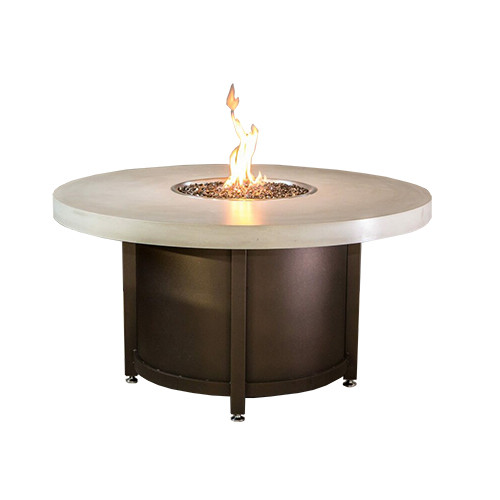
Built-in hardscape integration has become standard for luxury outdoor living projects. Fire tables offer high-growth multi-functional solutions, combining dining surfaces with fire features to maximize space utility and year-round value.
Geometric and unconventional shapes—particularly linear and hexagonal designs—serve as striking architectural centerpieces that elevate landscape design. These configurations integrate seamlessly with modern hardscape materials and contemporary outdoor furnishings, differentiating contractor offerings in competitive markets.
Key Factors to Consider When Designing Outdoor Fire Pit Spaces for the Holidays
Fuel selection, material durability, and safety clearances directly impact project success and long-term client satisfaction. Contractors must balance client preferences with code requirements while specifying materials that deliver decades of performance.
How to Select the Right Fuel Type for Different Seasons and Settings (Gas Vs. Propane)
Propane leads market growth at 9.4% CAGR through 2030—the fastest-growing traditional fuel type. Clean burning and convenience drive adoption, particularly for holiday entertaining when clients want instant ignition without smoke or ash cleanup. Natural gas follows at 7.2% growth, while wood declines at 4.5% despite maintaining appeal for authentic ambiance.
Hybrid systems combining gas starters with wood burning show strong uptake among high-end clients seeking both convenience and traditional fire experience. These configurations eliminate startup hassles while preserving the crackling sounds and wood smoke aroma clients associate with holiday gatherings.
Balancing Functionality with Aesthetics: Materials and Design Choices
GFRC (Glass Fiber Reinforced Concrete) delivers 30-50+ year lifespans with best-in-class performance across durability, weather resistance, and design flexibility. Standard concrete offers 20-30 years, while natural stone ranges from 25-40 years. Premium materials command higher project values but reduce callback rates and enhance contractor reputation.
Concrete uniquely gets stronger over time, differentiating it from competing materials. Multifunctional designs—fire tables and integrated seating—have become standard in luxury projects, meeting client demand for space-efficient installations. Specify GFRC and high-quality natural stone for clients prioritizing longevity and aesthetic appeal in high-visibility outdoor spaces.
What Are the Safety Considerations for Holiday Gatherings Around Fire Pits?
Maintain 15-25 feet minimum clearance from structures and 10 feet from property lines as baseline requirements. Overhead clearance requires 21 feet minimum for combustible materials like pergolas, umbrellas, or low tree branches. Steel liners are highly recommended for custom-built installations, providing critical heat protection and extended lifespan.
Clearances vary significantly by jurisdiction and fuel type—gas fire pits typically require less clearance than wood-burning models. Always verify local code requirements before finalizing designs, as violations can halt projects and create liability issues during holiday installation timelines.
Enhancing the Holiday Atmosphere Around Fire Pits
Seating arrangements, integrated lighting, and material selections transform functional fire pits into festive entertainment destinations. Strategic design choices extend usability beyond holidays while maximizing client investment value.
How Can Contractors Integrate Comfortable Seating and Warmth Around the Fire Pit?
Built-in seating using retaining walls creates permanent, integrated solutions that define gathering spaces and eliminate furniture procurement concerns. These installations increase project value while simplifying client maintenance and seasonal setup requirements.
Match seating style to fire pit geometry—curved walls complement round configurations while straight benches align with rectangular and linear designs. Integrated seating also controls traffic flow and maintains proper clearances automatically.
Using Lighting and Décor to Create a Festive and Welcoming Outdoor Space
LED lighting delivers 75% energy reduction compared to incandescent bulbs while requiring minimal maintenance. Specify 2700-3000K color temperature to complement fire's natural warmth without competing with flame aesthetics. Smart controls with app-based RGB color and Kelvin adjustment represent the leading 2023-2026 trend, allowing clients to customize ambiance for different holidays and events.
Dimming and zone control via Bluetooth enable layered lighting schemes that adapt from bright task lighting during setup to subdued ambient glow during gatherings. Integrated and built-in lighting solutions seamlessly incorporated into hardscape eliminate visible fixtures and wiring. Seasonal decor including potted flowers and string lights significantly enhances festive atmosphere—design power access points to support these temporary additions.
How to Ensure Year-Round Use and Seasonal Adaptability of the Fire Pit Area
Flagstone and concrete pavers offer extensive aesthetic options for surrounding patios while providing durable, all-weather surfaces that require minimal seasonal maintenance. These materials handle freeze-thaw cycles and moisture exposure without deterioration, critical for installations in variable climates.
Design for local weather conditions by considering drainage patterns, wind exposure, and sun orientation. Site-specific planning ensures fire pits remain functional across seasons, maximizing return on investment and positioning contractors as knowledgeable professionals who deliver long-term value.
Challenges Contractors May Face in Designing Holiday-Ready Fire Pit Spaces
Installation complexity, regulatory compliance, and climate adaptation present common obstacles in fire pit projects. Proactive planning and material selection minimize delays and ensure successful holiday-season deliveries.
How Can Contractors Overcome Installation Complexities for Fire Features?
Natural gas installations require high complexity due to gas line routing, pressure testing, and utility coordination—factors that extend timelines and increase costs. Propane systems offer low installation complexity with no underground utilities, making them ideal for tight holiday deadlines or properties lacking gas service.
High-efficiency burners that mimic natural flames with improved fuel efficiency represent the latest innovation, delivering realistic fire appearance while reducing operating costs. These advanced systems provide competitive advantages when bidding luxury projects where clients prioritize both aesthetics and performance.
Navigating Local Permits and Regulations for Fire Pit Installations
Always verify local safety clearance requirements before finalizing designs—regulations vary significantly by jurisdiction and can derail projects during permitting. Consult local building codes and HOA regulations early in the design phase to identify restrictions on fuel types, setbacks, and permanent versus temporary installations.
Pre-permitting research prevents costly redesigns and maintains holiday installation schedules. Document all approvals and maintain relationships with local inspectors to streamline future projects.
How to Address Weather and Climate Conditions in Outdoor Fire Pit Design
Concrete is inherently incombustible, providing significant safety advantages in fire-prone regions and during dry holiday seasons. GFRC offers exceptional durability, design flexibility, and weather resistance across freeze-thaw cycles, coastal salt exposure, and temperature extremes.
Concrete is surprisingly stain-resistant and requires minimal upkeep—critical factors for clients expecting maintenance-free entertaining spaces. These material properties ensure installations perform reliably through winter holidays and beyond, reducing warranty callbacks and enhancing contractor reputation.
Commercial vs. Residential Applications: Tailoring Fire Pit Designs for Different Needs
Residential and commercial fire pit installations require distinct approaches to capacity, durability, and regulatory compliance. Understanding market segments and project scale ensures appropriate specifications and profitable project execution.
How Can Fire Pits Be Incorporated into Luxury Homes for a Holiday Experience?
North America's $3.09 billion market in 2024 reflects strong residential demand for premium outdoor living features. Sunken living room designs represent the emerging 2026 trend for high-end properties, creating dramatic conversation pits that integrate fire features with below-grade seating areas.
Concrete offers exceptional design flexibility through custom molds and integrated features, enabling one-of-a-kind installations that differentiate luxury properties. These bespoke designs command premium pricing while establishing contractor expertise in high-value residential markets.
Designing Fire Pit Areas for Restaurants, Hotels, and Other Commercial Venues
Fire pits are evolving into multifunctional outdoor furniture, with fire tables doubling as dining surfaces in commercial settings. These dual-purpose installations maximize space efficiency in restaurants and hotel patios where square footage directly impacts revenue potential.
Commercial specifications require higher durability ratings and compliance with stricter safety codes than residential projects. Specify commercial-grade materials and fuel systems designed for extended daily operation and heavy traffic patterns.
What Are the Specific Considerations for Large-Scale Commercial Installations?
Sunken living room and pool integration designs start at $8,000+ due to excavation, structural engineering, and premium material requirements. Built-in hardscape integration ranges $3,000-8,000, representing mid-tier commercial installations suitable for restaurant patios and hotel gathering spaces.
Large-scale projects require detailed engineering for gas delivery systems, drainage management, and ADA compliance. Budget additional time for commercial permitting processes and coordinate with fire marshals early to avoid project delays during busy holiday construction seasons.
How Can Contractors Differentiate Their Services with Premium Fire Pit Designs?
Custom installations, quality partnerships, and premium materials separate successful contractors from commodity competitors. Strategic positioning around high-performance solutions builds reputation and increases project profitability.
What Are the Benefits of Offering Custom Fire Pit Solutions for High-End Clients?
The fire pit market's projected 6.5% CAGR through 2030 reflects sustained demand for premium outdoor features. Strong consumer preference for convenience and clean-burning options creates opportunities for contractors who specify gas and propane systems with advanced controls and custom aesthetics.
Concrete's inherent design flexibility allows custom molds and integrated features that align with multifunctional design trends. Custom solutions command higher margins while reducing direct competition with big-box retailers offering standardized products. Position expertise in bespoke installations to capture luxury residential and commercial segments.
Why Contractors Should Partner with Reliable Fire Pit Suppliers for Holiday Installations
Over 78% of homeowners use fire pit accessories, with safety items like spark screens and covers representing top priorities. Premium spark screens at $389 deliver 2x lifespan compared to basic $99 models—a value proposition that builds client trust and reduces warranty concerns.
Covers extend fire pit lifespan by 40-60% through weather protection, with well-made options lasting 3-5 years. Partner with suppliers offering complete accessory packages to capture additional revenue while providing turnkey solutions. Premium accessories generate significant long-term value through reduced maintenance calls and enhanced client satisfaction during critical holiday entertaining periods.
How to Use Fire Pit Installations to Attract More Holiday and Year-Round Business
Sustainability drives purchasing decisions, with clients prioritizing durable materials and energy-efficient technologies that reduce environmental impact and operating costs. GFRC stands out for exceptional durability, design flexibility, and low maintenance—key selling points for eco-conscious clients seeking permanent installations.
Market fire pit projects as year-round investments rather than seasonal additions. Emphasize extended outdoor living seasons, increased property values, and reduced energy costs compared to indoor heating during shoulder seasons. Document completed holiday installations with professional photography to build portfolio credibility and generate referrals during peak planning periods.
Creating Lasting Holiday Memories with Fire Pits
Fire pit installations deliver immediate holiday entertainment value while providing decades of year-round performance. Contractors who prioritize quality materials, proper planning, and integrated design position themselves as outdoor living specialists who create lasting client relationships.
How Fire Pits Can Transform Outdoor Spaces into Memorable Holiday Destinations
Concrete fire pits seamlessly integrate with various hardscape elements—retaining walls, patios, and built-in seating—to create cohesive outdoor living spaces. These integrated designs elevate properties from basic yards into destination entertainment areas where families gather for holiday celebrations year after year.
Strategic integration transforms fire features from standalone elements into commanding focal points that organize entire outdoor rooms. Designer rectangle fire tables excel in this role, their clean geometry establishing visual axes that define conversation areas and traffic flow. Properly executed installations become the foundation for expanded projects including outdoor kitchens, pergolas, and complete landscape renovations—generating referral opportunities from impressed clients
The Importance of Crafting a High-Quality, Sustainable Outdoor Entertainment Experience
GFRC remains the preferred material for hardscape professionals seeking to deliver high-quality, permanent installations that enhance contractor reputation. Concrete's structural benefits and longevity make it the exceptional choice for professional installations where performance, safety, and aesthetics cannot be compromised.
Quality installations generate referrals, reduce warranty callbacks, and justify premium pricing that sustains profitable contracting businesses. Clients investing in holiday-ready fire pit spaces expect decades of reliable performance—deliver that expectation through material selection and craftsmanship that outlasts competitive alternatives.
Partner with So-Cal Fire Pits for Your Next Installation
Ready to deliver premium fire pit installations that set your contracting business apart? So-Cal Fire Pits specializes in high-performance fire features designed for landscape professionals serving discerning residential and commercial clients.
Our GFRC and concrete fire pit solutions offer the durability, design flexibility, and safety features your clients demand for holiday entertaining and year-round outdoor living. From custom geometric designs to integrated hardscape solutions, we provide the quality materials and technical support contractors need to execute profitable projects on schedule.
Contact So-Cal Fire Pits today to discuss your upcoming installations and discover how our premium fire features can elevate your portfolio, generate referrals, and position your business as the go-to outdoor living specialist in your market.