
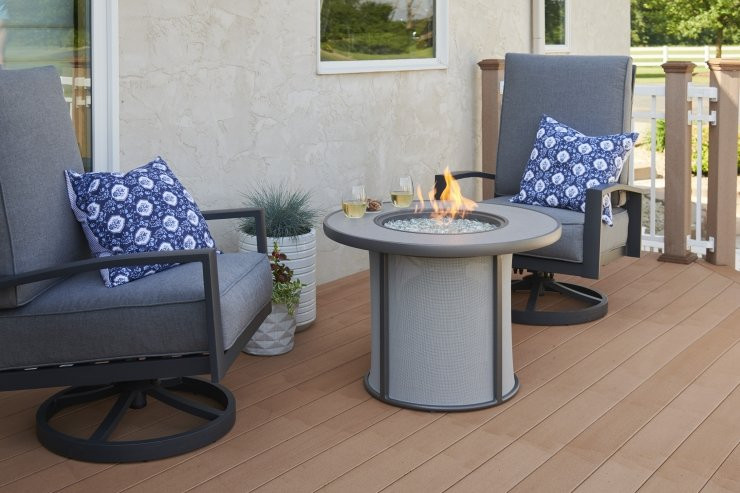
Key Takeaways:
- Specify 2700-3000K color temperature for all fire pit lighting to complement fire's natural warmth and prevent harsh visual contrast.
- LED lighting delivers 75% energy savings compared to incandescent with very low maintenance requirements—justifying higher upfront costs through long-term performance.
- Multi-zone layered lighting combining uplights, pathway lights, and ambient illumination provides comprehensive coverage while maintaining fire as primary focal point.
- Maintain minimum clearances: 15-25 feet from structures, 10 feet from property lines, 21 feet overhead, and 10-15 feet from vegetation—requirements vary significantly by jurisdiction.
- Smart controls with app integration transition from premium upgrades to standard features—clients increasingly expect Bluetooth dimming, zone control, and RGB customization capabilities.
Fire pit installations demand more than fire and seating—professional designs require strategic fire pit lighting integration. Proper illumination extends usability beyond daylight, enhances safety, and elevates aesthetic impact. This guide provides landscape professionals with specification criteria, placement strategies, and technical considerations for fire pit lighting design.
Coverage includes fixture selection, layering techniques, smart technology integration, safety clearances, and common installation challenges. Incorporating luxury fire pits as part of the design adds both functionality and luxury, creating focal points that draw people together while maintaining warmth and ambiance.
With the fire pit lighting market growing at 6.5% annually and homes featuring fire pits selling 2.8 days faster, lighting integration separates premium installations from basic projects. Master these principles to deliver comprehensive outdoor living spaces that perform reliably across all conditions.
Why Is Lighting Essential for Fire Pit Design?
Lighting transforms fire pits from single-purpose features into versatile outdoor spaces that function beyond sunset. Strategic illumination extends usability, enhances safety, and elevates the overall design aesthetic. Without proper lighting integration, fire pit areas remain underutilized and potentially hazardous after dark.
What Role Does Lighting Play in Creating Ambiance for Outdoor Spaces?
Lighting sets the mood and defines the character of fire pit environments. Warm ambient lighting at 2700-3000K complements the fire's natural warmth without creating color temperature conflicts. This range creates an inviting atmosphere while maintaining safety visibility—allowing guests to navigate the space comfortably without harsh glare or dark zones that compromise the fire's focal presence.
How Does Lighting Enhance the Functionality of Fire Pits During Different Times of Day?
Proper lighting extends fire pit functionality from dusk through late evening. Multi-zone LED lighting—combining uplights, pathway lights, and ambient illumination—creates comprehensive coverage that adapts to changing light conditions. As natural light fades, layered artificial lighting maintains ambiance and ensures safe navigation around seating areas, walking paths, and potential hazards. This approach keeps the space functional and inviting regardless of time.
How Should Lighting Be Layered Around Fire Pits for Ambiance and Safety?
Layered lighting creates depth, functionality, and visual interest while addressing safety requirements. Multiple fixture types working together provide comprehensive coverage that adapts to different activities and times of evening. This approach prevents over-reliance on any single light source and ensures redundancy for critical safety zones.
What Are the Primary Types of Lighting for Ambient Fire Pit Design?
Seven fixture types dominate professional fire pit installations. LED strips deliver 75% energy savings with very low maintenance and wide color temperature flexibility. LED uplights offer 2700-6500K range with excellent dimming control. Landscape spotlights provide 2700-4000K output with good dimming for pathway applications. String lights add festive ambiance at 2200-3000K with limited dimming. Solar path lights eliminate wiring requirements while maintaining optimal 2700-3000K warmth. Recessed deck lights integrate seamlessly into hardscape at 2700-3000K with good dimming. Color-changing RGB enables full-spectrum control with smart integration for entertainment flexibility.
How Does Layering Lighting Help Balance Aesthetics and Safety?
Layering prevents single points of failure and addresses multiple functional needs simultaneously. Comprehensive designs include uplighting on retaining walls for visual depth and pathway illumination for safe navigation. Proper color temperature and lumen output maintain visibility without overpowering the fire's natural glow—preserving the fire pit as the primary focal point while ensuring guests can move safely through the space.
What Are the Best Placement Strategies for Layered Lighting Around Fire Pits?
Match fixture types to specific applications for optimal results. LED strips excel at accent lighting and under-seating integration. LED uplights highlight architectural features and vertical surfaces. Landscape spotlights define pathways and transition zones. String lights establish overhead ambiance and festive character. Solar path lights mark perimeters and walkways without electrical infrastructure. Recessed deck lights provide discreet deck-level safety lighting. Color-changing RGB adds programmable entertainment value for special events and gatherings.
What Are the Key Lighting Options for Fire Pits?
Three lighting categories dominate professional fire pit installations: LED systems, string lights, and in-ground fixtures. Each serves distinct functional and aesthetic roles while offering different cost-benefit profiles. Understanding the strengths of each option enables designers to specify the right combination for project requirements and budget constraints.
What Advantages Does LED Lighting Offer for Fire Pit Environments?
LED technology delivers superior performance across multiple metrics. Energy consumption drops 75% compared to incandescent bulbs, significantly reducing operational costs over fixture lifespan. Maintenance requirements range from very low to excellent across all LED types—eliminating frequent bulb replacement cycles. Most LED applications provide excellent dimming capability for precise ambiance control. Color temperature flexibility spans 2700-6500K, allowing specification from warm amber to cool white depending on design intent.
How Do String Lights or Fairy Lights Enhance the Fire Pit Atmosphere?
String lights establish overhead ambiance and festive character at accessible price points. Color temperature ranges 2200-3000K for warm, welcoming atmosphere that complements firelight. Energy efficiency remains moderate compared to LED alternatives, and dimming capability is limited on most models. Installation costs stay low ($ range), making string lights attractive for budget-conscious projects. Moderate maintenance requirements include bulb replacement and weather-related wear inspection.
What Are the Benefits of Using In-Ground Lighting Near Fire Features?
In-ground fixtures provide discreet, hardscape-integrated illumination without visual clutter. Recessed deck lights deliver both safety and aesthetic integration—marking walking surfaces while maintaining clean sightlines. Solar path lights offer excellent energy efficiency with zero power requirements, eliminating electrical infrastructure costs. Both fixture types typically operate in the optimal 2700-3000K range, ensuring color temperature consistency with fire pit ambiance and other landscape lighting elements.
How to Plan Lighting Around Fire Pits?
Effective lighting planning balances technical specifications, budget constraints, and design intent. Strategic decisions made during the planning phase determine long-term performance, maintenance burden, and client satisfaction. Advance planning prevents costly retrofits and ensures cohesive integration with hardscape elements.
What Factors Should Be Considered When Planning Lighting for Fire Pits?
Four primary factors drive specification decisions. Color temperature selection of 2700-3000K remains optimal—warm white complements natural fire without creating visual conflicts. Installation costs range from $ (solar, string) to $$$ (landscape spotlights, recessed, RGB), directly impacting project budgets. Maintenance requirements vary from very low (LED) to moderate (string lights), affecting long-term ownership costs. Smart control capabilities—available on RGB and select LED systems—enable app integration for clients seeking advanced functionality.
How Can Lighting Be Used to Highlight Features Like Seating Areas and Pathways?
Target lighting at functional zones and architectural elements. LED strips provide accent lighting for under-seating areas, creating visual definition without glare. Pathway and perimeter lighting ensures safe navigation through transition zones. Uplighting techniques highlight retaining walls and landscape features, adding vertical dimension. Maintain 3-foot minimum clearance from fire pit to seating for comfortable foot propping, with 4 feet for walking room—these dimensions inform fixture placement and prevent interference with circulation patterns.
What Design Elements Should Be Integrated into the Overall Lighting Scheme?
Integrated and built-in lighting solutions gain market traction for their seamless hardscape incorporation. Concealed fixtures achieve clean, sophisticated aesthetics while eliminating visual clutter and trip hazards. Specify fixtures with proven material compatibility with hardscape elements like flagstone and concrete pavers—ensuring thermal expansion compatibility and preventing installation failures. Built-in solutions require coordination during initial construction but deliver superior long-term results compared to surface-mounted retrofits.
What Are the Latest Trends in Fire Pit Lighting?
Technology and design integration drive current fire pit lighting evolution. The market shifts toward smart controls, seamless hardscape incorporation, and entertainment-focused features. These trends reflect broader outdoor living demands for convenience, customization, and architectural cohesion.
How Is Smart Lighting Technology Influencing Fire Pit Designs in 2026?
Smart controls transition from premium upgrades to standard features. App-controlled RGB color and Kelvin adjustment emerged as key trends for 2023-2026, enabling precise ambiance customization from mobile devices. Dimming and zone control via Bluetooth allow independent management of multiple lighting circuits without additional wiring infrastructure. Smart integration becomes expected functionality rather than optional feature—clients increasingly demand technology that matches indoor home automation standards.
What New Materials and Designs Are Being Used for Fire Pit Lighting?
Integrated and built-in lighting solutions gain market traction over surface-mounted alternatives. Seamless hardscape incorporation delivers clean aesthetics while eliminating exposed wiring and fixture housings. Color-changing RGB systems with full spectrum capability expand entertainment possibilities—enabling themed lighting for gatherings, holidays, and special events. This integration philosophy prioritizes architectural cohesion over aftermarket additions, requiring collaboration between lighting designers and hardscape contractors during initial construction phases. Additionally, incorporating high-quality parts and accessories such as specialized connectors, mounting hardware, and custom lighting fixtures ensures long-term performance and ease of maintenance.
How to Integrate Lighting with Fire Pits While Maintaining Safety?
Safety considerations override aesthetic preferences in fire pit lighting design. Proper clearances, fixture placement, and code compliance protect property, prevent liability, and ensure long-term installation viability. Negligence in safety planning exposes contractors to legal risk and compromises client safety.
What Are the Critical Safety Considerations for Lighting Around Fire Pits?
Clearance requirements establish minimum safe distances for all fire pit installations. Maintain 15-25 feet minimum from any structure and 10 feet from property lines as standard practice. Overhead clearance requires 21 feet minimum for combustible materials per local fire codes. Vegetation clearance demands 10-15 feet to reduce fire risk from radiant heat and embers. Combustible materials require 10-20 feet separation depending on material type and fire intensity. These distances apply to both fire pit placement and fixture positioning.
How Can Lighting Placement Prevent Safety Hazards Like Glare or Fire Risk?
Strategic placement addresses both visual comfort and fire safety. Warm ambient lighting at 2700-3000K maintains safety visibility without harsh glare that compromises night vision. Proper lumen output ensures adequate illumination without competing with fire's natural glow. Distance considerations protect heat-sensitive electronic fixtures from fire pit radiant heat—particularly critical for LED drivers and control modules. Uplighting techniques minimize direct glare into seating areas, preventing eye strain and preserving the fire as primary focal point.
How Can Lighting Be Coordinated with Local Building Codes and Safety Regulations?
Code compliance varies dramatically across jurisdictions. Clearances vary significantly by jurisdiction and fire pit type—verify requirements before design finalization. Always consult local building codes and HOA regulations during planning phases, not after installation. Gas fire pits typically require less clearance than wood-burning models due to controlled flame characteristics. Jurisdiction variance is HIGH for structure-to-fire-pit and property line distances—ranging from 10 to 25 feet depending on local ordinances. Permit applications should include lighting plans showing fixture locations relative to fire features.
What Are the Common Challenges in Lighting Integration for Fire Pits?
Installation complexity, glare management, and long-term maintenance present recurring obstacles in fire pit lighting projects. Anticipating these challenges during planning phases prevents costly corrections and client dissatisfaction. Understanding common pitfalls enables proactive specification and installation strategies.
How Can Glare from Lighting Be Managed Around Fire Pits?
Four strategies mitigate unwanted glare effectively. Proper color temperature selection at 2700-3000K minimizes harsh contrast with fire, preventing visual discomfort from competing light sources. Uplighting techniques direct light away from eye level, illuminating vertical surfaces while keeping fixtures below sightlines. Recessed and integrated options reduce visible light source glare by concealing bulbs within hardscape elements—an approach that pairs particularly well with upscale rectangle fire tables, where clean lines benefit from uncluttered surroundings. Dimming capability allows real-time adjustment based on fire brightness, reducing artificial light intensity as flames increase.
What Are the Most Common Installation Challenges When Adding Lighting to Fire Features?
Installation complexity spans a wide spectrum. Complexity ranges from very low (string lights, solar) to high (landscape spotlights, recessed deck lights)—directly impacting labor costs and timelines. Costs range from $ to $$$ depending on lighting type and smart features, requiring clear client budget alignment. Hardscape integration requires planning during initial construction phase—retrofits compromise aesthetics and increase installation difficulty. Steel liners recommended for durability and safety in custom-built fire pits, providing necessary separation between electrical components and heat sources.
How Can Designers Ensure Proper Maintenance and Longevity of Lighting Fixtures?
Fixture selection and maintenance protocols determine long-term performance. LED fixtures require very low maintenance over lifespan—typically 25,000-50,000 hours before replacement. String lights require moderate maintenance and inspection for weather damage and bulb failures. Regular cleaning extends fixture lifespan and maintains light output by removing debris, mineral deposits, and environmental buildup. Premium components offer longer service life with proper care—justifying higher upfront costs through reduced replacement frequency and superior performance retention.
What Are the Best Practices for Lighting Design Around Fire Pits?
Professional fire pit lighting balances technical precision with aesthetic restraint. Best practices emerged from field experience, installation failures, and client feedback across thousands of projects. Following established guidelines prevents common errors while delivering consistent, high-quality results.
How Can the Combination of Different Lighting Types Enhance the Fire Pit's Aesthetic?
Multi-zone lighting design combining uplights, pathway lights, and ambient illumination creates dimensional interest beyond single-source approaches. Layered strategies provide visual depth and comprehensive coverage—eliminating dark zones while maintaining focal hierarchy. Accent lighting highlights architectural features and hardscape details, drawing attention to design investments and material quality. Color-changing RGB adds entertainment value for special events, enabling themed atmospheres for holidays, gatherings, and celebrations without permanent fixture changes.
What Techniques Help in Balancing the Natural Glow of Fire with Artificial Lighting?
Fire remains the primary light source—artificial lighting supports rather than competes. 2700-3000K color temperature complements fire's natural warmth without color clash or visual tension. Warm white at this range is optimal specification for fire pit areas across all fixture types. Excellent dimming capability allows real-time adjustment based on fire intensity—reducing artificial light as flames strengthen. Avoid over-lighting that diminishes fire's natural ambiance and focal role. Properly balanced designs make artificial lighting nearly invisible while maintaining safety and functionality.
What Are the Most Common Mistakes to Avoid in Fire Pit Lighting Design?
Five errors account for majority of installation failures and client complaints. Insufficient clearance from structures—minimum 15-25 feet required—creates fire risk and code violations. Ignoring local building codes and HOA regulations delays projects and necessitates costly corrections. Poor color temperature selection creates harsh visual contrast that disrupts ambiance and causes eye strain. Over-lighting diminishes fire's natural presence, transforming intimate gathering spaces into over-illuminated zones. Inadequate vegetation clearance—minimum 10-15 feet—increases fire risk from radiant heat, embers, and wind-blown flames.
Maximizing Ambience and Functionality Through Lighting Integration
Strategic lighting integration separates professional fire pit installations from basic backyard features. Proper illumination extends functionality, enhances safety, and delivers measurable value to clients and contractors alike. The combination of technical precision and design restraint creates outdoor spaces that perform reliably across seasons and usage patterns.
Why Landscape Professionals Should Prioritize Lighting in Outdoor Fire Feature Design
Market dynamics justify lighting investment in fire pit projects. The fire pit market grows at 6.5% CAGR from 2023 to 2030, with global valuation reaching $6.8 billion in 2022. North America represents the largest regional market at $3.09 billion in 2024, indicating sustained domestic demand. Homes featuring fire pits sell 2.8 days faster on average—demonstrating measurable value to residential clients. Propane-fueled fire pits expected to grow by 9.4% between 2023 and 2030 as the fastest-growing fuel segment, driving demand for clean-burning installations that benefit from integrated lighting. Contractors who master lighting integration capture premium project opportunities in this expanding market.
Partner with So-Cal Fire Pits for Professional Fire Feature Solutions
So-Cal Fire Pits delivers premium fire pit installations designed for seamless lighting integration and long-term performance. Our team specializes in custom concrete and GFRC fire features that accommodate advanced lighting systems, smart controls, and multi-zone illumination strategies.
We work directly with landscape contractors, hardscape professionals, and outdoor living designers to create fire features that meet exacting specifications and exceed client expectations. Whether your project calls for a standalone fire pit or a designer fire table for pools that bridges water and flame elements, we provide technical support from initial consultation through final installation—including material expertise and proven construction methods tailored to Southern California conditions.
Contact So-Cal Fire Pits today to discuss your next project and discover how professional fire feature integration elevates your outdoor living portfolio.