
Key Takeaways
- Fire pits drive measurable results: Properly designed installations increase guest satisfaction by 34%, extend dwell time from 45 minutes to 2.5 hours, and boost dining duration by 28% in commercial settings.
- Material and scale create artistic impact: Sculptural elements like 12-foot corten steel bowls, decorative fire glass, and intricate cutout patterns transform functional fire pits into award-winning landscape art.
- Customization ensures integration: Custom-designed fire pits blend with architectural styles, meet site-specific requirements, and maintain visual continuity across zones—capabilities that off-the-shelf products cannot deliver.
- Safety codes inform design decisions: Minimum 4-6 feet seating clearance, 10-foot structural setbacks, and flame height limitations of 12-18 inches establish constraints that disciplined designers transform into aesthetic opportunities.
- Supporting features complete the composition: Layered lighting, integrated drainage, fire-resistant plantings, and concealed propane tanks convert standalone fire pits into cohesive creative landscape features that function across all seasons.
Fire pits function as sculptural centerpieces, revenue drivers, and award-winning design statements when treated as artistic elements rather than commodity accessories. Landscape artists who master artistic fire pit design transform underutilized outdoor spaces into destinations that increase guest satisfaction by 34% and extend dwell time from minutes to hours.
This guide explores how creative landscape features—from 12-foot corten steel bowls to intimate designer fire pit tables—serve as versatile, stylish products that not only enhance the ambiance of outdoor spaces but also provide functionality as both heating elements and dining surfaces. Learn material strategies, spatial planning techniques, and customization approaches that elevate fire pit tables as art while meeting safety codes and maintenance realities. Strategic design converts these functional heating elements into unique outdoor fire features that clients use 4-5 times weekly.
What Makes Fire Pits an Ideal Canvas for Landscape Artists?
Fire pits transform ordinary outdoor spaces into revenue-generating destinations and award-winning designs. These unique outdoor fire features function as both practical heating elements and sculptural focal points, making them essential tools for landscape artistry.
How Do Fire Pits Serve as More Than Just Functional Outdoor Features?
Fire pits drive measurable business results. The Ritz-Carlton case study shows properly designed fire pit areas increase guest stay duration from 45 minutes to 2.5 hours—a 233% increase. Guest satisfaction for outdoor evening experiences jumps 34% when fire pits are thoughtfully integrated into the landscape design. Commercial settings see average dining duration increase 28%, directly boosting food and beverage sales. These creative landscape features convert underutilized outdoor space into profitable gathering zones that guests actively seek out.
Why Are Fire Pits Considered Central to Creative Landscape Artistry?
Artistic fire pit design earns industry recognition. Fire pit installations have won the 2023 American Society of Landscape Architects (ASLA) Award for Excellence in Hospitality Design, validating fire pits as art rather than mere amenities. Well-executed designs become signature features that distinguish properties from competitors, earning coverage in multiple hospitality design publications. Fire pit tables and custom installations establish brand identity while serving functional needs—the hallmark of successful landscape artistry that balances aesthetics with performance.
How Can Landscape Artists Transform Fire Pits into Unique, Artistic Outdoor Features?
Sculptural elements and strategic material choices elevate fire pits from functional accessories to defining works of art. The transformation relies on bold design statements paired with technical precision.
What Design Elements Elevate a Fire Pit to an Artistic Outdoor Feature?
Scale and materiality create immediate visual impact. Sculptural fire features like 12-foot diameter corten steel bowls command attention as dramatic focal points in luxury landscapes. Decorative fire glass in blue and amber shades produces stunning visual effects when flames activate the reflective surfaces. Intricate cutout patterns in metal fire bowls function as artistic focal points, casting dynamic shadow patterns after dark. Modern teardrop-shaped and geometric bowl designs serve as contemporary landscape centerpieces, proving that unique outdoor fire features can rival permanent sculpture installations.
How Do Landscape Architects Use Fire Pits as Focal Points in Luxury Outdoor Spaces?
Tiered fire pit experiences accommodate large groups without sacrificing intimacy. Concentric circular seating areas around central fire features serve 50+ guests while maintaining distinct intimate zones at varying distances. Central sculptural fire features with radiating natural stone paving create visual harmony that draws the eye inward. Multiple fire pit zones—communal gathering areas, intimate two-person settings, and lounge backdrops—generate distinct atmospheres while maintaining visual continuity through consistent material palettes. This zoning strategy in artistic fire pit design allows single properties to offer varied experiences within unified creative landscape features.
Why Do Fire Pit Tables Represent the Perfect Blend of Function and Art?
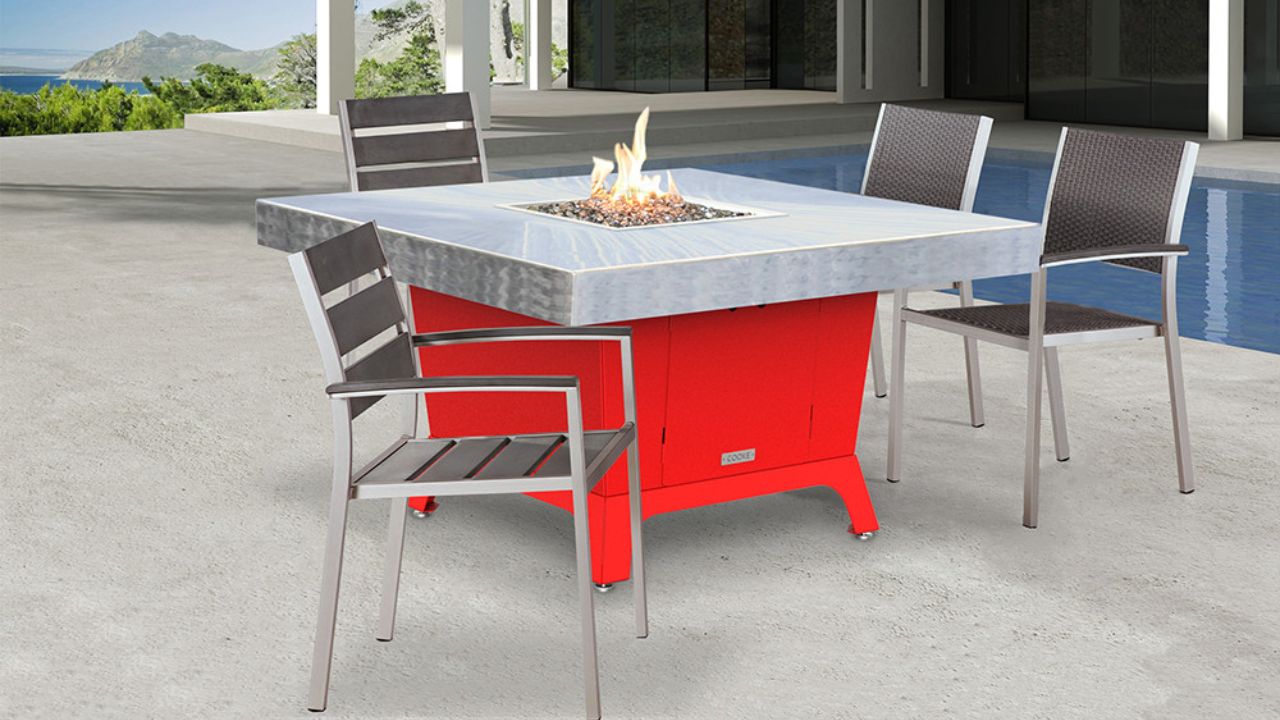
Fire pit tables solve the dual challenge of limited space and high design expectations. These unique outdoor fire features deliver ambient flame within functional furniture, making them ideal for landscape artistry in constrained environments.
How Do Fire Pit Tables Combine Utility with Sophisticated Design?
Fire pit tables eliminate the choice between seating and ambiance. Tabletop fire pit models create intimate atmospheres suitable for both dining and conversation, placing controlled flame at eye level when seated. Fire pits integrated directly into dining tables enable unique dining experiences where guests interact with fire as a centerpiece rather than a distant element. This integration represents artistic fire pit design at its most efficient—every square foot serves multiple purposes without aesthetic compromise.
What Unique Features Make Fire Pit Tables Ideal for Residential and Commercial Projects?
Compact tabletop fire pits work in small spaces while creating elegant ambiance previously reserved for sprawling estates. Built-in bench seating integrated with raised planter beds maximizes space efficiency in compact gardens as small as 1,200 square feet, proving creative landscape features don't require acreage. Fire pits integrated into dining tables serve pre-dinner cocktail areas with high-top seating, converting dead time into revenue opportunities in commercial settings. Fire pit tables also simplify how to hide propane tanks—built-in cabinetry within the table structure conceals fuel sources while maintaining clean sightlines.
How Does Artistic Fire Pit Design Shape the Mood of Outdoor Spaces?
Material selection and spatial positioning determine whether fire pits create drama or intimacy. Every design choice—from bowl diameter to installation depth—directly influences emotional response and usability.
How Do Fire Pit Shapes and Materials Impact the Atmosphere of a Space?
Fire pit dimensions and materials establish distinct aesthetic personalities. 36-inch diameter steel bowls with decorative fire glass create woodland aesthetics in residential settings, offering scaled intimacy for family gatherings. Corten steel develops distinctive weathered patina that enhances visual appeal over time, making these unique outdoor fire features more beautiful with age rather than requiring replacement. Natural stone fire pits with stacked construction create rustic garden aesthetics that feel indigenous to the landscape. Material choice signals design intent—polished steel reads contemporary, weathered corten suggests industrial elegance, and stacked stone communicates permanence and tradition.
What Role Does Fire Pit Placement Play in Creating Ambiance?
Placement determines function and safety simultaneously. Sunken fire pit areas create intimate scale in compact urban gardens by lowering sightlines and containing the fire below grade. Strategic fire pit placement must consider prevailing wind patterns for smoke management—upwind placement directs smoke away from seating areas. Design locations require minimum 10-foot clearance from structures and overhanging vegetation to meet safety codes and prevent fire spread. These creative landscape features work best when positioned as destination points rather than circulation obstacles, drawing guests to specific zones while maintaining clear pathways. Proper placement in artistic fire pit design balances code compliance with experiential goals.
How Do Landscape Artists Integrate Fire Pits into Different Outdoor Styles?
Fire pits adapt to any design vocabulary through material and planting choices. The key to successful landscape artistry lies in aligning fire pit design with existing architectural language rather than imposing foreign elements.
How Do Fire Pits Complement Traditional, Contemporary, and Modern Landscape Designs?
Contemporary sunken fire pits integrate seamlessly with flowering garden beds and modern paving, maintaining clean horizontal lines that complement minimalist architecture. Natural boulder seating around fire pits integrates with lawns and mature trees for rustic aesthetics that suggest permanence and organic growth. Modern geometric designs in weathered corten steel serve contemporary landscapes where industrial materials meet refined simplicity. Each style demands specific material palettes—traditional designs favor natural stone and brick, contemporary installations utilize poured concrete and steel, while modern interpretations embrace geometric precision in sculptural forms. These unique outdoor fire features succeed when they reinforce rather than contradict the established design language.
Why Do Custom Fire Pits Adapt to Specific Landscaping Themes Like Mediterranean or Desert Gardens?
Plant selection transforms generic fire pits into thematic creative landscape features. Mediterranean herb plantings—rosemary, lavender, sage—in integrated planting beds create natural fragrance and visual harmony that transports users to coastal Europe. Japanese-inspired plantings including Japanese maple trees, ornamental grasses, and shade-tolerant perennials create refined aesthetics rooted in centuries of garden design tradition. Native plant selection ensures low maintenance while supporting cohesive design themes, allowing artistic fire pit design to feel indigenous rather than imposed. Custom fire pits as art succeed when surrounding plantings tell the same story as the hardscape materials.
How Can Landscape Artists Use Creative Landscape Features to Highlight Fire Pits?
Fire pits perform best when supported by complementary design elements. Lighting, structures, and integrated systems transform standalone features into cohesive outdoor environments that function after dark and across seasons.
What Other Features Should Be Incorporated Alongside Fire Pits for Artistic Cohesion?
Layered lighting creates depth without competing with flame. String lighting suspended between pergola structures provides ambient illumination without overwhelming fire's natural glow, allowing the fire pit to remain the primary light source. Soft uplighting on trees combined with subtle string lights creates layered illumination that defines space boundaries while maintaining focal emphasis on the fire feature. Wood pergola structures integrate with garden beds and natural plantings for cohesive design, framing fire pits within architectural context. These creative landscape features work together to establish hierarchy—fire pits as art occupy center stage while supporting elements provide background and structure.
How Do Water Features, Lighting, and Seating Areas Enhance Fire Pit Designs?
Integrated infrastructure extends fire pit functionality and longevity. Integrated drainage systems manage water while protecting fire pit installations from standing water and erosion damage. Permeable paving ensures drainage and sustainability in fire pit surrounds, preventing runoff issues that plague conventional hardscaping. Heated stone seating extends usability during cooler evenings, addressing the paradox of cold seating around warm fires. Comfortable seating surrounding fire pits with abundant garden plantings creates natural harmony, softening hardscape edges and establishing transition zones between built and planted areas. Successful artistic fire pit design anticipates four-season use through strategic material and feature selection.
How Can Landscape Artists Hide Propane Tanks Without Sacrificing Design?
Exposed propane tanks undermine artistic fire pit design. Strategic concealment maintains clean sightlines while ensuring safe access for maintenance and tank replacement.
What Creative Methods Can Be Used to Conceal Propane Tanks in Fire Pit Installations?
Propane tank concealment requires balancing aesthetics with code compliance. Built-in storage vaults below grade hide tanks completely while maintaining ventilation requirements—though this approach demands careful waterproofing and access planning. Alternatively, a well-designed propane fire table often incorporates tank storage within the base cabinet, eliminating concealment challenges entirely. Decorative screening using materials that match the fire pit surround creates visual continuity while allowing airflow. Landscape berms planted with low-maintenance vegetation camouflage tanks within the natural environment, particularly effective in informal garden settings. Remote tank placement up to 20 feet from the fire pit allows concealment behind existing structures or plantings, connected via buried gas lines. The best solution depends on site constraints, budget, and maintenance accessibility requirements.
How Do Design Elements Like Cabinetry and Stone Work to Hide Propane Tanks?
Custom cabinetry integrates tank storage directly into fire pit structures. Fire pit tables with built-in access panels conceal standard 20-pound tanks within the base, maintaining clean profiles while simplifying tank changes. Stone veneer enclosures surrounding tank locations blend with fire pit materials, creating unified hardscape that reads as intentional design rather than afterthought. Modular cabinet systems with louvered doors provide ventilation while matching adjacent outdoor kitchens or entertainment areas. Stacked stone walls positioned as design features double as tank barriers, transforming utilitarian storage into creative landscape features. These unique outdoor fire features succeed when concealment elements enhance rather than compromise the overall composition.
How Does Customization Play a Role in Unique Outdoor Fire Features?
Off-the-shelf fire pits limit design possibilities. Customization allows landscape artistry to respond to specific site conditions, client preferences, and architectural context, creating fire pits as art rather than commodity products.
Why Is Customization Essential for Achieving a One-of-a-Kind Fire Pit Design?
Custom fabrication addresses site-specific requirements that standard products cannot. Custom-designed fire bowls with specific dimensions like 36-inch diameter meet precise project requirements for scale and proportion within existing landscapes. Handmade metal fire pits with intricate cutout patterns create unique artistic focal points impossible to source from catalogs—these one-off pieces define property identity. Custom material palettes combining natural stone, corten steel, and specific lighting maintain visual continuity across multiple fire pit zones, ensuring cohesive design language throughout the property. Standardized products force compromise; customization in artistic fire pit design enables vision fulfillment.
How Can Fire Pit Customization Enhance the Overall Aesthetic of a Landscape Project?
Tailored designs integrate seamlessly with existing conditions. Fire pits successfully blend modern architecture with natural garden elements in residential settings when custom-designed to bridge contrasting vocabularies. Spaces become primary gathering areas used 4-5 times per week when properly customized to family needs—evidence that personalization drives utilization. Maintenance requirements minimize through thoughtful native plant selection and material choices specific to local climate and client capacity. These creative landscape features succeed long-term because customization accounts for lifestyle patterns, maintenance realities, and site-specific challenges that generic solutions ignore. Custom unique outdoor fire features represent investment in permanent landscape infrastructure rather than temporary installations.
How Can Landscape Artists Ensure Fire Pits Meet Safety and Functional Standards Without Compromising Design?
Code compliance and aesthetic excellence coexist through informed design decisions. Safety requirements establish constraints that disciplined landscape artistry transforms into design opportunities rather than limitations.
What Safety Measures Should Be Taken Into Account When Designing Artistic Fire Pits?
Safety codes define spatial relationships and material choices. Design seating at minimum 4-6 feet from fire source to prevent guest burns or injuries while maintaining conversational intimacy. Maintain minimum 10-foot clearance from structures and overhanging vegetation to prevent fire spread and meet insurance requirements. Establish maximum fire size guidelines with flame height 12-18 inches recommended—controlled flames enhance ambiance while excessive flames create liability. Use seasoned hardwood only, avoiding treated lumber or green wood that produces toxic smoke and creosote buildup. Install protective barriers or guardrails where appropriate, particularly in commercial settings with unpredictable guest behavior. Design fire pits with raised edges or containment walls for fire control, preventing ember spread while defining the fire pit as art within the broader landscape composition.
How Can Landscape Artists Balance Creativity with the Practical Requirements of Fire Pits?
Long-term design success requires maintenance planning from inception. Implement regular maintenance schedules—quarterly inspections and annual deep cleaning—to preserve design integrity and prevent deterioration that undermines artistic fire pit design. Apply protective sealers to natural stone and wood elements to maintain appearance against weathering and staining. Design proper drainage to prevent water accumulation and freeze-thaw damage that cracks hardscape and compromises structural stability. Select fire-resistant plants with minimum 10-foot clearance from fire, choosing species that tolerate heat and don't drop excessive flammable debris. Establish regular pruning and maintenance schedules to maintain clearances and aesthetics as plants mature. These creative landscape features endure when designers anticipate the full lifecycle—installation represents beginning, not completion, of unique outdoor fire features.
Transform Your Landscape Vision Into Award-Winning Fire Pit Art
So-Cal Fire Pits specializes in custom fire pit installations that function as sculptural focal points and revenue-generating destinations. Our team collaborates with landscape artists, architects, and property owners to create unique outdoor fire features that earn industry recognition while meeting strict safety codes.
From intimate residential fire pit tables to luxury resort installations accommodating 50+ guests, we deliver artistic fire pit design that increases property value and guest satisfaction. Whether you're planning a rectangular patio with fire pit as the defining element or tackling complex commercial specifications, our custom fabrication capabilities solve spatial constraints, concealment challenges, and material integration requirements that off-the-shelf products cannot address. Stop compromising between aesthetics and functionality.
Contact So-Cal Fire Pits today to discuss how creative landscape features can transform your outdoor spaces into timeless works of art.