
Key Takeaways
- Fire pit psychology drives measurable behavioral changes: Resort data shows average stay duration increased from 45 minutes to 2.5 hours, while restaurant fire pit areas increased dining duration by 28%—proving fire features extend occupancy and revenue.
- Tiered seating with varying distances creates simultaneous intimate and social zones: Concentric circular arrangements radiating from central fire features follow natural human gathering patterns, accommodating both private conversations and large group interactions.
- Fire pit tables consolidate warmth and functionality: Integrated dining table fire pits provide personalized thermal comfort while enabling food service, eliminating the traditional choice between workspace and warmth in space-constrained designs.
- Material selection determines long-term performance: Weather-resistant materials like corten steel and natural stone, combined with integrated drainage systems, prevent freeze-thaw damage and corrosion that plague economy installations within 2-3 seasons.
- Strategic mood lighting multiplies atmospheric impact: String lighting suspended between pergola structures and layered uplighting on trees creates distinct atmospheres across zones without competing with flame—extending fire pit psychology beyond thermal radius into visual experience.
Fire pit psychology drives measurable changes in how people occupy outdoor spaces. Understanding the psychological and practical principles behind high end fire pit design enables outdoor living designers to create environments that extend dwell times, increase satisfaction, and transform underutilized areas into primary destinations.
This guide examines outdoor atmosphere design through the lens of fire pit ambiance—from mood lighting integration and fire pit tables to commercial applications and material selection. The data is clear: properly designed fire features don't just provide warmth.
They anchor social interaction, justify premium positioning, and convert seasonal outdoor spaces into year-round assets. Fire pit parts and accessories become strategic tools rather than decorative additions when designers apply evidence-based outdoor living design principles.
What Psychological Effects Do Fire Pits Have, and How Can Outdoor Living Designers Use Them to Influence Mood and Atmosphere?
Fire pit psychology drives measurable behavioral changes in outdoor spaces. Understanding these psychological triggers enables designers to create outdoor atmosphere design that extends dwell time, increases engagement, and transforms functional areas into memorable destinations.
How does fire pit psychology affect human behavior in outdoor spaces?
Fire pit psychology dramatically extends how long people occupy outdoor spaces. At the Ritz-Carlton coastal resort, average stay duration jumped from 45 minutes to 2.5 hours after fire pit installation. A Portland residential project saw the fire feature become the primary gathering area, used 4-5 times weekly. Napa Valley restaurant data shows fire pit areas increased dining duration by 28%, directly impacting revenue and guest experience. The pattern is consistent: fire pits anchor people in place, creating natural gathering points that resist the typical drift toward indoor spaces.
What role does fire pit ambiance play in creating a relaxing or energizing environment?
Fire pit ambiance drives quantifiable satisfaction gains. The Ritz-Carlton case study documented 34% increased guest satisfaction for outdoor evening experiences. Reviews consistently cited "unique and memorable atmosphere" as the defining feature—language that indicates emotional engagement beyond functional satisfaction. The project earned the 2023 ASLA Award for Excellence in Hospitality Design, validating fire pit psychology as a legitimate design discipline. Fire pit tables and premium features of fire pit tables extend these benefits by combining focal warmth with functional surfaces, layering psychological comfort with practical utility.
How can outdoor designers leverage mood lighting for fire pits to enhance atmosphere?
Mood lighting for fire pits multiplies atmospheric impact without competing with flame. String lighting suspended between pergola structures provides ambient illumination that frames rather than overwhelms the fire's natural glow. Layered lighting design—uplighting on trees combined with subtle string lights—creates woodland aesthetics that feel intentional rather than accidental. Strategic lighting across multiple zones generates distinct atmospheres within unified outdoor living design principles. The key is restraint: lighting should support fire pit ambiance, not substitute for it.
Essential Principles of Outdoor Living Design with Fire Pits
Outdoor living design principles establish hierarchy, flow, and function around fire features. Successful designs balance intimacy with accessibility, creating zones that serve multiple user experiences while maintaining cohesive aesthetics. These principles separate adequate installations from award-winning outdoor atmosphere design.
What are the core principles of outdoor atmosphere design?
Tiered seating with varying distances creates simultaneous intimate and social zones—close seating for conversation, outer rings for observation and circulation. Consistent material palettes (natural stone, corten steel, warm lighting) maintain visual continuity across zones without creating monotony. Concentric circular seating radiating outward from central fire features follows natural human gathering patterns, eliminating awkward sight lines and forced positioning. These core principles apply whether specifying fire pit tables or built-in features, ensuring fire pit psychology works with rather than against spatial design.
How can fire pits be used to complement existing outdoor living design elements?
Sunken fire pit designs integrate seamlessly with built-in bench seating and raised planter beds, creating elevation changes that define zones without barriers. Integrated planting beds featuring Mediterranean herbs—rosemary, lavender, sage—add natural fragrance and visual harmony that enhances fire pit ambiance. Japanese maples, ornamental grasses, and shade-tolerant perennials build woodland aesthetics around fire features, softening hardscape and extending fire pit psychology through layered sensory experiences. Strategic plant placement also guides sight lines and creates natural privacy screens between zones.
How do fire pits contribute to the overall design flow and functionality of an outdoor space?
Multiple fire pit zones serve distinct experiences: pre-dinner cocktails, dining, and lounge areas. Central communal fire pits with high-top seating facilitate gathering before meals, creating natural transition points in the user journey. Clear safety zones and traffic patterns prevent accidents while maintaining flow—critical when integrating fire pit parts and accessories into high-traffic commercial spaces. Premium features of fire pit tables allow designers to consolidate function, placing warmth and utility exactly where users need them without disrupting circulation or forcing compromise between atmosphere and practicality.
The Impact of Fire Pit Tables on Outdoor Spaces
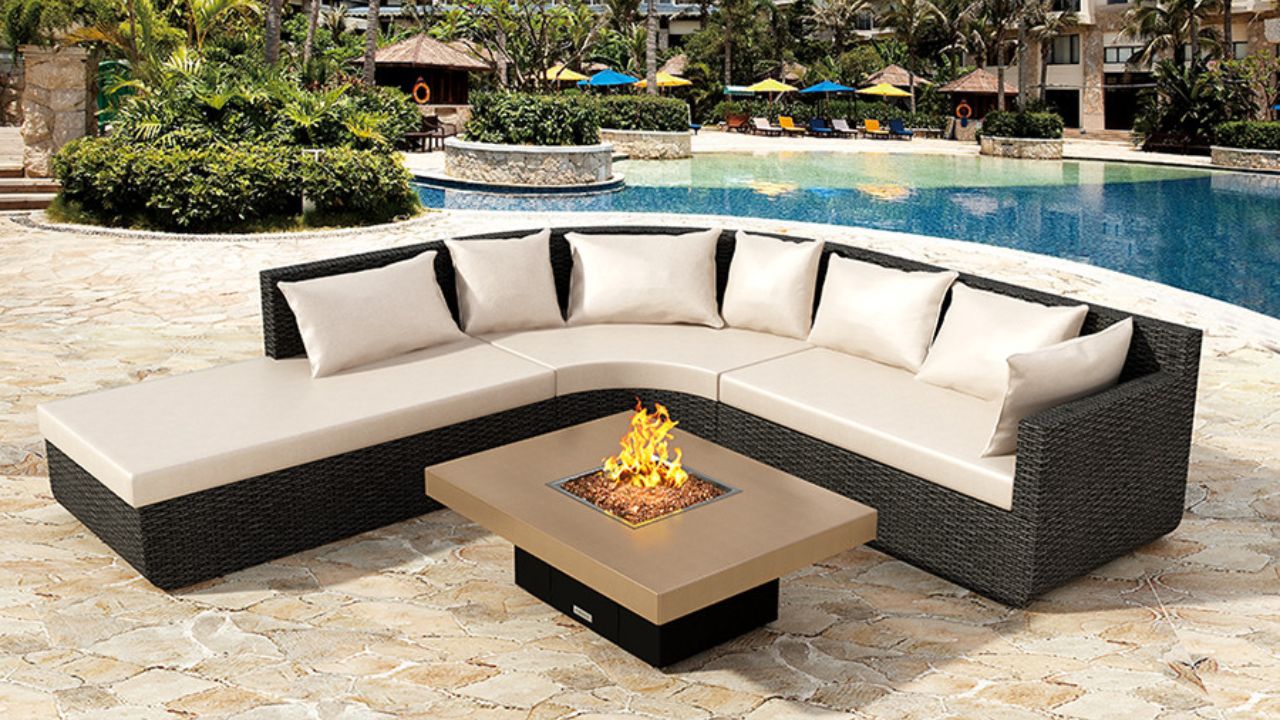
Fire pit tables consolidate warmth, function, and focal design into single elements. Unlike standalone fire features, fire pit tables serve dual roles—gathering point and utility surface—making them essential for space-constrained designs or multi-use outdoor areas. Premium features of fire pit tables elevate outdoor atmosphere design beyond basic functionality.
What are the premium features of fire pit tables that enhance ambiance?
Intimate two-person fire pits integrated directly into dining tables create personalized experiences impossible with communal features. Tabletop fire pits generate Valentine's Day atmosphere with wine glasses and elegant seating, proving scale matters less than proximity and intentionality. Sculptural fire features serving as visual backdrops for lounge seating demonstrate how fire pit tables function as both heat source and art installation. These premium features of fire pit tables leverage fire pit psychology at individual scale, creating private moments within public spaces.
How do fire pit tables combine functionality and style in outdoor living design?
Fire pits integrated into dining tables provide warmth while enabling food service—critical for restaurants extending shoulder season revenue. Three distinct fire pit experiences in a single venue accommodate different guest preferences without spatial redundancy: cocktails, dining, lounging. Fire pit tables eliminate the traditional choice between warmth and workspace, supporting outdoor living design principles that demand multi-functional elements. Fire pit parts and accessories like built-in ignition systems and adjustable flames extend this functionality, allowing users to modulate fire pit ambiance without compromising table utility.
How can fire pit tables be customized to fit unique design preferences?
Custom 36-inch diameter steel bowls with decorative fire glass in blue and amber shades personalize fire pit ambiance to match brand identity or residential aesthetics. For larger spaces, 12-foot diameter corten steel bowls create dramatic sculptural centerpieces that anchor commercial environments. Custom modern fire pits offer similar impact at residential scale, combining contemporary materials with artistic design for homeowners seeking statement pieces. Fire glass in various colors creates stunning effects when combined with flames, transforming functional fire pit tables into kinetic art. Customization extends beyond aesthetics. Burner configurations, fuel types, and integrated mood lighting allow designers to tailor thermal outpu
Integrating Fire Pit Parts and Accessories for a Complete Design
Fire pit parts and accessories determine whether installations meet code, maintain safety, and deliver consistent performance. Base fire features provide warmth and focal interest, but accessories handle drainage, ventilation, ignition, and aesthetic refinement. Complete outdoor living design principles require specifying the entire system, not just the visible components.
What fire pit parts and accessories are essential for a fully functional outdoor space?
Professional-grade fire suppression systems are required for commercial applications—non-negotiable for permits and insurance. Integrated drainage systems manage water and prevent pooling around fire features, protecting structural integrity and preventing freeze-thaw damage in cold climates. Professional-grade ventilation systems maintain air quality in enclosed or semi-enclosed spaces, critical for restaurants and covered patios where smoke accumulation creates liability and comfort issues. These systems operate invisibly but enable the fire pit ambiance guests experience, making them foundational fire pit parts and accessories rather than optional upgrades.
How do accessories like glass wind guards and burner inserts enhance fire pit design?
Decorative fire glass in blue and amber shades adds visual interest to flames, transforming standard fire into color-shifting focal points. Intricate cutout patterns in metal fire bowls create artistic focal points in landscapes, casting dramatic shadows that extend fire pit psychology beyond thermal radius. Modern teardrop-shaped corten steel designs serve as dramatic centerpieces even when unlit, functioning as sculpture during daytime hours. These accessories shift fire pit tables and standalone features from functional equipment to design statements, justifying premium positioning in outdoor atmosphere design.
What role do safety features play in the design and functionality of fire pits?
Minimum 10-foot clearance from structures and overhanging vegetation is required—non-compliance voids insurance and creates liability exposure. Fire-rated materials (stone, pavers, gravel) are necessary in immediate surrounds to contain sparks and radiant heat. Seating positioned minimum 4-6 feet from fire source prevents burns while maintaining fire pit ambiance and psychological connection to flame. Maximum flame height of 12-18 inches is recommended for controlled fires that provide warmth without creating wind-driven ember hazards. Heated stone seating provides comfort for cooler evenings while remaining cool-touch, demonstrating how safety features enhance rather than compromise user experience when properly integrated into outdoor living design principles.
Creating Intimate and Social Outdoor Environments with Fire Pits
Fire pit psychology works at multiple scales simultaneously—intimate couples' conversations and large social gatherings both benefit from properly designed fire features. The key lies in understanding how proximity, sightlines, and thermal comfort zones shape human interaction patterns. Successful outdoor atmosphere design accommodates both intimacy and sociability without forcing users to choose.
How do fire pits influence social interaction and create intimate settings?
Resort designs accommodate 50+ guests while maintaining intimate ambiance through tiered zones that separate observation from participation. A 1,200 sq ft compact urban garden successfully created intimate gathering space for a family of four, proving fire pit psychology scales down as effectively as it scales up. Natural boulder seating around fire pits integrated with lawn creates rustic gathering aesthetics that feel accidental rather than staged, reducing social formality. Fire pit tables work particularly well for intimate settings, bringing warmth within arm's reach and eliminating the spatial gap that can inhibit conversation in larger installations.
What design strategies help ensure that fire pits foster connection and conversation?
Circular fire pit seating arrangements promote face-to-face interaction—critical for fostering conversation over passive observation. Built-in bench seating integrated with planting beds creates cohesive gathering zones that feel intentional and enclosed without barriers. Comfortable seating with plush cushions and blankets extends usability in winter, demonstrating how fire pit ambiance relies equally on thermal comfort and tactile experience. Premium features of fire pit tables like adjustable flame height allow users to modulate warmth without repositioning, maintaining conversation circles even as temperatures drop.
How can fire pits be strategically placed to promote gathering and interaction?
Central sculptural fire features serve as focal points drawing people together through visual magnetism and thermal gravity. Sunken fire pit designs create intimate scale for smaller groups by lowering sightlines and reducing exposure, making 4-6 person conversations feel private even in larger yards. Natural stone paving radiating outward guides movement toward central gathering points, establishing circulation patterns that outdoor living design principles predict and reinforce. Strategic placement also considers mood lighting for fire pits—uplighting trees or installing string lights creates layered illumination zones that extend fire pit psychology beyond the immediate thermal radius.
Fire Pit Design for Luxury and Commercial Applications
Luxury and commercial fire pit installations operate under different constraints than residential projects—higher traffic, stricter liability requirements, and performance expectations that justify premium positioning. Fire pit psychology scales to hospitality venues when designers account for operational realities alongside atmospheric goals. Success requires balancing fire pit ambiance with risk management and maintenance protocols.
How can commercial outdoor spaces use fire pits to enhance luxury and atmosphere?
Designs featured in multiple hospitality design publications become signature restaurant features that drive reservations and command premium pricing. Mediterranean plantings—specifically herbs—provide sensory integration through natural fragrance that complements rather than competes with culinary aromatics. Seasonal plantings maintain visual interest throughout the year, ensuring fire pit areas photograph well and feel fresh regardless of visit timing. These details separate luxury installations from standard commercial fire pits, transforming functional heat sources into experiential destinations that justify higher table minimums and extended stays.
What design considerations are necessary for fire pits in hospitality venues like resorts and restaurants?
Dedicated maintenance and safety protocols are required for commercial operations. Ad hoc residential approaches create liability exposure and code violations. Staff training on emergency protocols is essential for guest safety, particularly in alcohol service environments where judgment impairment increases accident risk. Regular fire safety inspections and maintenance schedules must be documented to satisfy insurance requirements and municipal permits. Whether you're operating a round fire bowl or a rectangle fire table in a hospitality setting, commercial-grade components are essential. Professional ventilation systems, redundant ignition systems, and heavy-duty burners cost more upfront but reduce operational disruptions and extend replacement cycles. Outdoor living design principles for commercial applications prioritize durability and foolproof operation over aesthetic experimentation.
How do fire pit tables fit into high-end outdoor designs for luxury hotels and event venues?
Different materials and lighting strategies create distinct atmospheres across zones while maintaining visual coherence—critical for luxury venues serving diverse guest preferences simultaneously. Fire pit tables with premium features allow hotels to monetize previously underutilized shoulder-season outdoor space, extending revenue opportunities into cooler months. Modern contemporary designs complement architecture while providing functional gathering spaces that photograph well for social media and marketing materials. Custom fire pit tables serve as brand signatures—12-foot corten steel bowls or custom fire glass colors become recognizable elements that guests associate with specific properties. Strategic mood lighting for fire pits layers ambient illumination that extends usability into late evening hours, maximizing return on outdoor square footage investment.
Practical Considerations When Designing with Fire Pits
Outdoor living design principles balance aesthetics with engineering realities—drainage, wind patterns, material performance, and climate extremes. Fire pit psychology creates emotional impact, but practical considerations determine whether installations remain functional and safe over time. Successful designs anticipate problems before they occur, specifying fire pit parts and accessories that handle real-world conditions.
How do outdoor living design principles guide the placement of fire pits?
Fire pit location must consider prevailing wind patterns for smoke management—even well-designed features become unusable when smoke consistently blows into seating areas. Adequate lighting prevents tripping hazards around fire features, particularly critical in commercial settings where liability exposure is high. Protective barriers or guardrails are installed where appropriate for safety, especially on elevated decks or near grade changes exceeding 18 inches. Placement also affects fire pit ambiance—sunken locations feel more intimate while elevated features command greater visual presence. Fire pit tables offer placement flexibility that built-in features cannot match, allowing designers to test configurations before committing to permanent installations.
What are the safety and environmental considerations when choosing fire pit materials?
Weather-resistant materials—corten steel, natural stone, composite materials—are essential for durability in exposed outdoor environments. Seasoned hardwood only for wood-burning features; treated lumber or green wood releases toxins and creates excessive smoke. Powder-coated steel or corten steel specified for extended rust durability, critical in coastal or high-humidity climates. Fire-resistant plants selected with minimum 10-foot clearance from fire eliminate ignition risks from windblown embers. Native plant selection reduces maintenance requirements and irrigation demand, supporting sustainable outdoor atmosphere design. Premium features of fire pit tables often include stainless steel burners and weather-sealed control panels that outlast economy components by years.
How can fire pit designs be adapted for varying weather conditions and outdoor climates?
Integrated drainage systems prevent water accumulation and freeze-thaw damage that cracks stone surrounds and corrodes metal components. Permeable paving promotes drainage and sustainability while preventing standing water that breeds mosquitoes and creates slip hazards. Heavy rain protection through proper drainage system design keeps fire pits functional in wet climates where poor drainage would render them unusable for weeks. Freeze-thaw protection is necessary for winter climates—sealed stone, protected gas lines, and proper slope prevent expensive seasonal damage. UV-resistant materials are required for sun exposure resistance, particularly important for cushions, covers, and composite decking. Protective covers or storage solutions for off-season preservation extend component life and reduce maintenance costs, making fire pit parts and accessories like custom covers worthwhile investments rather than optional extras.
The Role of Fire Pits in Transforming Outdoor Spaces
Fire pit psychology transforms outdoor areas from transitional spaces into primary destinations. When outdoor living design principles align with proper fire pit parts and accessories specification, the results are measurable—extended dwell times, increased revenue, enhanced satisfaction. Fire pit ambiance creates value that transcends functional heating.
How does fire pit psychology contribute to the overall atmosphere and experience of outdoor living spaces?
Fire pits successfully blend modern architecture with natural garden elements, creating cohesive outdoor living environments that feel intentional rather than assembled. The thermal and visual magnetism of flame anchors designs, giving users a reason to occupy outdoor spaces beyond pleasant weather. Fire pit tables and premium features of fire pit tables extend this impact by consolidating warmth and utility into single elements. Commercial data proves the financial case: fire pits increase food and beverage sales through extended dining experiences, turning atmospheric investment into revenue generation. Mood lighting for fire pits multiplies these effects, layering illumination that extends usability into evening hours when outdoor atmosphere design delivers maximum experiential impact. Fire pits don't just heat outdoor spaces—they activate them, transforming underutilized square footage into memorable environments that users actively seek rather than passively tolerate.
Transform Your Outdoor Spaces with Expert Fire Pit Design
So-Cal Fire Pits specializes in custom fire pit tables and premium fire features that leverage fire pit psychology for maximum atmospheric impact. Our outdoor living design principles integrate mood lighting, professional-grade fire pit parts and accessories, and climate-adapted materials that perform in real-world conditions.
Whether you're designing intimate residential gardens or luxury commercial venues, we deliver fire pit ambiance that extends dwell times and increases space utilization. Our team understands how outdoor atmosphere design translates psychological principles into measurable results—extended dining durations, higher satisfaction scores, year-round revenue generation.
Contact SoCal Fire Pits today to discuss custom solutions that transform underutilized outdoor square footage into memorable destination spaces. From permanent natural gas installations to versatile propane fire pits for locations requiring fuel flexibility, our team will match the right fire feature to your commercial objectives.