Key Takeaways:
- Geometric Shapes Lead 2026 Trends: Linear and hexagonal fire pits dominate luxury installations as architectural centerpieces, with linear designs showing the fastest growth and tabletop configurations achieving 10.2% annual expansion—the highest rate among all shapes.
- GFRC Delivers Superior Performance: Glass Fiber Reinforced Concrete achieves 10/10 durability ratings with 30-50+ year lifespans, outperforming all alternatives. Concrete's unique characteristic of strengthening over time, combined with incombustible properties and very low maintenance requirements, makes it the professional's material choice.
- Gas Fuels Dominate Market Growth: Propane leads at 9.4% annual growth while natural gas expands at 7.2%, both eliminating smoke entirely. Zero-emission performance meets strict air quality regulations while delivering excellent convenience and high heat output with minimal maintenance demands.
- Smart Technology Integration is Standard: App-controlled RGB lighting, flame adjustment, and zone control via Bluetooth define 2023-2026 luxury specifications. LED systems reduce energy consumption by 75% while 2700K-3000K color temperatures complement natural fire warmth for optimal ambiance.
- Protective Accessories Extend Lifespan 40-60%: Fire pit covers ($75-250) and wind guards ($100-300) provide measurable longevity improvements. With 78% of homeowners prioritizing safety accessories, premium spark screens deliver twice the lifespan of basic models while ensuring code compliance.
Fire pits have evolved from basic backyard additions into sophisticated design elements that define luxury outdoor living. Today's high end fire tables anchor entire entertainment spaces, combining architectural presence with functional warmth—a shift reflected in the $6.8 billion global market's growing demand for permanent installations that deliver both visual impact and lasting value.
This guide examines 2026 fire pit trends, material specifications, and technology innovations shaping fire pit selections. Trade professionals and homeowners will find actionable data on geometric shapes, sustainable materials, smart controls, and maintenance protocols.
From GFRC durability ratings to LED integration best practices, each section provides measurable insights for informed decision-making. Understanding these principles ensures fire pit installations deliver long-term value, aesthetic coherence, and enhanced property appeal in competitive luxury markets.
What Are the Core Principles of Luxury Outdoor Fire Pit Design in 2026?
Luxury fire pit design centers on three principles: market-driven demand, proven property value, and architectural centrality. These elements guide professional specifications for high-end residential and commercial projects.
Understanding the role of fire pits in high-end outdoor spaces
The fire pit market reached $6.8 billion globally in 2022 and projects 6.5% annual growth through 2030. North America dominates at $3.09 billion in 2024, reflecting strong demand in luxury outdoor living sectors. This growth signals sustained client interest and budget allocation for premium fire features.
The integration of fire pits into luxury residential and commercial projects
Properties with fire pits sell 2.8 days faster than comparable homes without them. This measurable impact positions fire pits as value-adding amenities rather than optional upgrades. Commercial venues leverage this appeal for guest experience and competitive differentiation.
Why fire pits are more than just functional—they're central to design aesthetics
Fire pits function as architectural focal points that organize outdoor spaces. They anchor seating arrangements, define zones, and create visual hierarchy. The flame itself provides dynamic lighting that complements fixed illumination systems. Modern luxury design treats fire features as essential hardscape elements, not accessories.
What Fire Pit Styles and Finishes Will Define Luxury Outdoor Spaces in 2026?
Geometric shapes and sustainable finishes dominate 2026 luxury fire pit specifications. Linear and hexagonal designs lead growth, while material choices emphasize longevity and customization.
Overview of luxury fire pit design trends for 2026
Linear fire pits represent the fastest-growing luxury segment, serving as architectural statements in high-end projects. Tabletop designs show 10.2% growth—the highest rate among all shapes—driven by compact urban spaces and multifunctional demands. Geometric and unconventional forms (hexagonal, angular) replace traditional circular defaults in contemporary installations.
Exploring the aesthetics of modern and traditional fire pit styles
Round fire pits retain dominance in traditional settings, earning excellent ratings for intimate gatherings. Linear and hexagonal shapes receive excellent ratings for modern aesthetics but score low for traditional applications. Square and rectangular designs bridge both worlds with high modern appeal and moderate traditional compatibility. Shape selection directly impacts project coherence with existing architectural language.
Sustainable and Customizable Finishes for Luxury Fire Pits
GFRC and premium natural stone lead material specifications for their durability and visual performance. Sustainability drives purchasing decisions as clients prioritize long-lifecycle materials over replacement-prone options. Concrete offers excellent design flexibility through custom molds and integrated features, enabling site-specific fabrication. Energy-efficient technologies and responsible sourcing align with broader environmental mandates in luxury construction.
Blending Contemporary and Rustic Styles for the Ultimate Appeal
Round fire pits excel in traditional aesthetics while linear designs achieve excellent modern ratings but minimal traditional appeal. Hexagonal forms deliver strong modern impact without traditional versatility. Square configurations provide balanced performance—high modern ratings with moderate traditional compatibility—making them optimal for transitional design schemes. Material texture and finish treatment enable style fusion: smooth concrete reads contemporary while weathered stone or rusted metal inserts add rustic character.
What Are the Top Fire Pit Materials and Fuel Types for 2026?
Material and fuel selection determines performance, maintenance burden, and lifecycle costs. Concrete-based materials and gas fuels dominate luxury specifications for measurable advantages in durability and convenience.
Stone and Concrete: The Go-To Materials for Timeless Elegance
GFRC achieves 10/10 durability ratings—the highest performance among fire pit materials—with 30-50+ year lifespans. Standard concrete rates 9/10 with 20-30+ year lifespans, while natural stone scores 8/10 at 25-40 years. All three deliver excellent weather resistance. Concrete's unique characteristic: it strengthens over time rather than degrading. Incombustible properties provide inherent fire safety without treatment or liners. Low to very low maintenance requirements reduce long-term service costs. Concrete and GFRC rate excellent for design flexibility through custom casting; natural stone rates good with limitations to available quarry cuts and formations.
Why Gas and Propane Fire Pits Are Ideal for Luxury Living
Propane shows 9.4% annual growth—the fastest expansion among traditional fuels—while natural gas grows at 7.2% and wood declines at 4.5%. Gas options eliminate smoke entirely, critical for luxury residential and commercial compliance. Natural gas requires very low maintenance; propane rates low maintenance. Both deliver excellent convenience ratings and high heat output. Modern burner systems now mimic natural flame patterns while improving fuel efficiency. Installation complexity differs: propane offers immediate deployment while natural gas requires line infrastructure but lower operating costs. Zero-smoke performance meets strict air quality standards in regulated jurisdictions.
How Do Fire Pits Enhance the Functionality and Atmosphere of Outdoor Spaces?
Fire pits deliver dual value: thermal performance extends seasonal use while serving as spatial anchors for gathering zones. This combination drives specification in luxury projects where year-round functionality justifies investment.
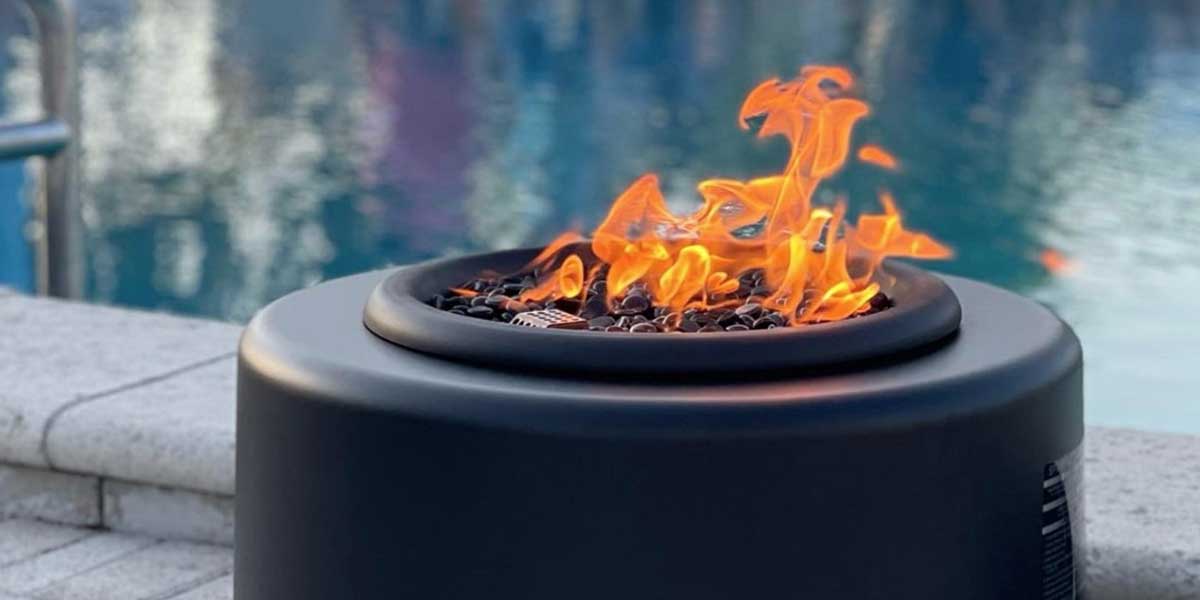
Fire features function as both heat sources and organizational elements in outdoor design. Radiant warmth creates usable space during shoulder seasons, while the visual focal point structures furniture placement and circulation patterns—whether anchoring a conversation area with a fire table or reflecting off water with designer fire bowls for pools. Heat output calculations factor into climate-specific specifications, critical in coastal California where evening temperatures drop quickly after sunset. Luxury installations prioritize BTU ratings and flame presentation equally, balancing thermal comfort with the aesthetic impact that distinguishes premium outdoor environments.
Adding Year-Round Use and Functionality to Outdoor Spaces
Heat output becomes the primary specification criterion in cold climates where fire pits enable three-season or year-round outdoor use. Gas systems with adjustable BTU controls allow thermal tuning for temperature conditions. Seasonal flexibility requires durable materials and fuel systems that perform across temperature extremes without degradation. Proper heat distribution extends the functional radius around the fire feature, increasing usable square footage during cold months.
Integrating Fire Pits into Social and Dining Areas
Fire tables represent the fastest-growing multifunctional category, rated high for design impact and modern aesthetic. These dual-purpose installations eliminate separate furniture pieces while providing ambient heat and visual interest. Standard specifications now include integrated seating and fire tables in luxury projects rather than treating them as upgrades. Built-in seating ($1,500-5,000 range) delivers 20-30 year lifespans with excellent ratings for both functional and aesthetic value. Integration with outdoor kitchens and lounge zones creates cohesive entertainment spaces where the fire element anchors the entire layout. Strategic placement between cooking and seating areas maximizes circulation efficiency and social interaction.
How to Choose the Right Fire Pit for Your Luxury Outdoor Area?
Fire pit selection requires three-factor analysis: spatial constraints, design language alignment, and fuel infrastructure. Residential and commercial applications demand different scaling and durability specifications.
Space dimensions dictate shape and capacity options. Style compatibility ensures the fire pit enhances rather than conflicts with existing architectural elements. Fuel preference determines installation complexity and operating requirements. Match material finish and form geometry to surrounding hardscape and structural design language—contemporary homes pair with linear or geometric shapes while traditional settings favor round or square configurations.
Residential Vs. Commercial Fire Pit Design Needs
Residential installations prioritize intimate scale and personalized aesthetics with moderate usage patterns. Commercial venues require higher durability ratings, increased capacity, and code compliance for public assembly spaces. Scale differs significantly: residential projects typically specify 6-12 person capacity while commercial applications demand 15+ accommodations. Usage intensity drives material selection—commercial environments need GFRC or reinforced concrete for heavy-use durability. Customization in residential projects allows for unique finishes and integrated features; commercial specs emphasize standardization, maintainability, and liability reduction.
Size, Shape, and Placement: Tailoring Your Fire Pit to the Space
Shape determines capacity and space efficiency. Round fire pits accommodate 6-8 people with excellent space efficiency. Rectangular handles 8-12 people. Linear designs support 10-15 people for large gatherings. Square fits 6-10 people. Hexagonal seats 8-12. Tabletop configurations serve 4-6 with excellent space efficiency for compact areas.
Clearance requirements dictate placement. Maintain 4 feet from fire pit for walking circulation and 3 feet for comfortable foot-propping. Seat guests 3-4 feet away for optimal comfort and safety. Code-mandated clearances: 10-25 feet from structures, 10-25 feet from property lines, 21 feet minimum overhead clearance, and 10-15 feet from vegetation. Built-in seating provides permanent spatial definition and eliminates furniture arrangement variables. Verify local jurisdiction requirements—clearance standards vary by region and fuel type.
What Fire Pit Innovations and Technologies Will Shape 2026 Designs?
Smart controls and advanced burner systems define current fire pit technology evolution. These innovations deliver operational convenience, energy efficiency, and performance improvements that justify premium pricing in luxury markets.
Technology integration transforms fire pits from passive features into controllable systems. Smart controls enable remote operation and customization. Advanced burners improve fuel efficiency and flame aesthetics. Safety enhancements include automated shutoffs and temperature monitoring. These innovations address client demands for convenience while meeting stricter performance and environmental standards.
Smart Fire Pits: Connecting Luxury with Convenience
App-controlled systems now offer RGB color adjustment, Kelvin temperature tuning, dimming, and zone control via Bluetooth—emerging standards for 2023-2026 installations. Remote ignition eliminates manual lighting procedures. Flame height adjustment enables real-time atmospheric control during events. Integration with home automation platforms allows scheduling and scene programming.
LED lighting systems deliver 75% energy reduction versus incandescent alternatives while providing design-critical illumination. Specify 2700K-3000K color temperatures to complement fire's natural warmth without visual conflict. Built-in lighting solutions integrate directly into hardscape elements for seamless appearance and protected wiring. Smart controls benefit commercial operators through centralized management and automated scheduling, reducing staff involvement and operational costs.
Advanced Burner Systems for Even Heat Distribution
High-efficiency burners now replicate natural flame patterns while improving fuel consumption rates. Modern designs distribute heat evenly across the fire feature rather than concentrating in center zones. This technology expands the comfortable seating radius and reduces fuel waste. Consistent flame presentation maintains visual quality across all operating levels—critical for luxury applications where aesthetics equal performance. Enhanced combustion efficiency meets environmental regulations in jurisdictions with strict emissions standards. These systems justify higher initial investment through reduced operating costs and superior guest experience in commercial venues.
How Do You Maintain and Care for Your Luxury Fire Pit?
Maintenance protocols directly impact lifespan and performance. Gas systems require minimal intervention while protective accessories extend material longevity by 40-60%.
Routine maintenance preserves both aesthetic appearance and functional safety. Gas fire pits demand very low (natural gas) to low (propane) maintenance compared to wood-burning alternatives. Regular tasks include debris removal, burner inspection, and connection verification. Annual professional inspections catch gas line issues before failure. Clean glass or stone media maintains visual clarity. Proper care prevents costly repairs and ensures consistent performance across seasons.
Essential Care Tips for Gas and Propane Fire Pits
Natural gas systems rate very low maintenance with annual line checks and burner cleaning. Propane installations require low maintenance including tank inspections and connection integrity verification. Clean burner ports quarterly to prevent clogging and uneven flames. Inspect gas lines for wear, cracks, or loose fittings before each season. Test ignition systems and safety shutoffs annually.
Winterization involves shutting off gas supply, draining lines in freeze-prone climates, and covering the unit. Remove glass media and store indoors if moisture infiltration risks exist. Verify valve operation before spring restart. Professional servicing every 2-3 years maintains warranty compliance and catches developing issues.
Protecting the Fire Pit from the Elements with Custom Wind Guards and Covers
78% of homeowners use fire pit accessories, with 78% prioritizing safety items like spark screens and covers. Fire pit covers ($75-250, 3-5 year lifespan) extend overall fire pit longevity by 40-60% through weather protection. Covers prevent moisture infiltration, UV degradation, and debris accumulation during off-seasons.
Wind guards ($100-300, 5-8 year lifespan) reduce flame disruption and improve fuel efficiency in exposed locations. Spark screens ($99-389, 5-10 year lifespan) provide critical safety for wood-burning applications and ember containment. Premium spark screens at $389 deliver twice the lifespan of basic $99 models through superior materials and construction. Select covers with ventilation grommets to prevent condensation buildup. UV-resistant fabrics withstand sun exposure in uncovered patio applications. Properly fitted accessories prevent wind damage and reduce maintenance frequency.
Ready to Transform Your Outdoor Space with a Luxury Fire Pit?
So-Cal Fire Pits specializes in custom fire pit design and installation for luxury residential and commercial projects. Our team delivers GFRC and premium concrete solutions with smart technology integration and architectural precision.
Whether you're planning a linear centerpiece for a contemporary estate or a multifunctional fire table for commercial hospitality, we provide expert consultation on materials, fuel systems, and code compliance.
Contact SoCal Fire Pits today for professional specifications tailored to your project requirements. Whether you're drawn to the classic symmetry of modern rectangle fire tables or exploring custom configurations, our team can match the right fire feature to your space. Transform outdoor areas into year-round destinations that enhance property value and create lasting impressions—schedule your design consultation now.