
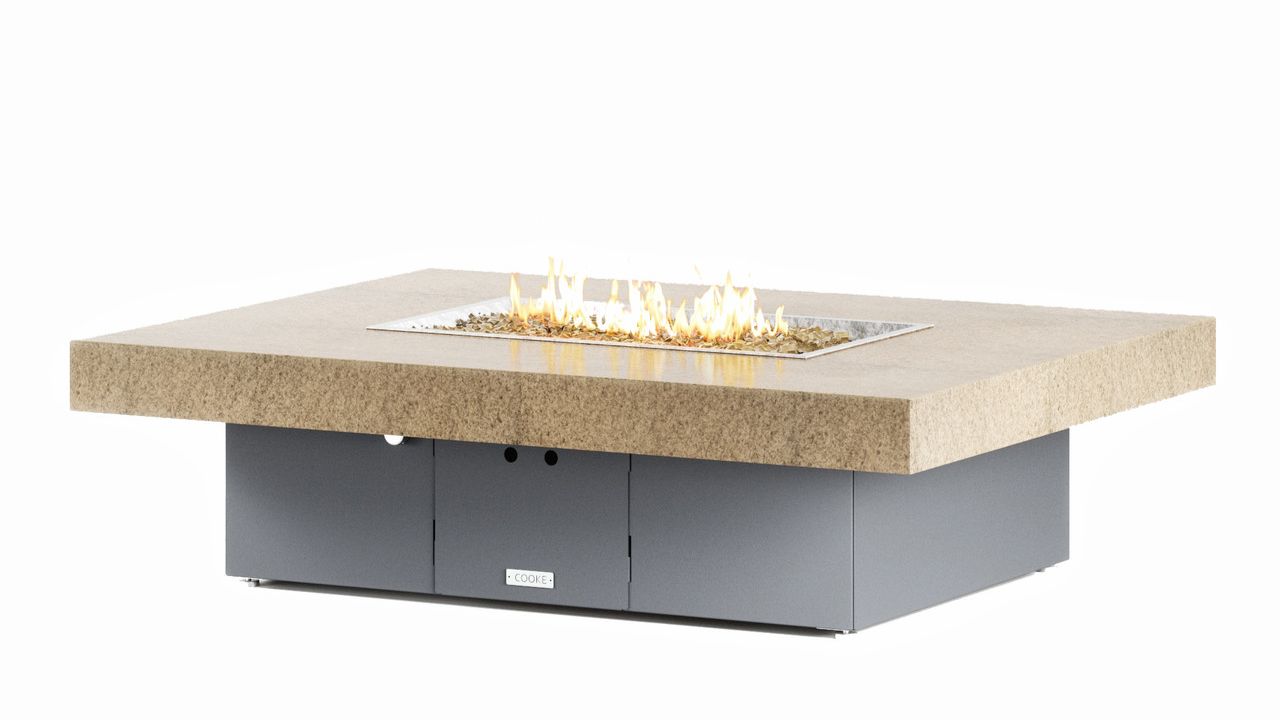
Fire pits extend outdoor living well beyond winter months, but warm-season operation requires different strategies than cold-weather heating. A modern fire table with adjustable flame height offers particular versatility here, allowing lower flame settings for ambiance during warm evenings without excessive heat output. Pool contractors who understand seasonal transition protocols reduce callbacks, protect client safety, and position fire features as year-round amenities rather than cold-weather extras.
This pool contractor guide provides actionable checklists, troubleshooting procedures, and service package frameworks for managing seasonal fire pit use from spring through summer.
Key Takeaways
- Fire pit usage drops significantly when ambient temperatures exceed 75-80°F, requiring BTU adjustments from winter heating (60,000-100,000+ BTU) to summer entertaining (30,000-60,000 BTU)
- Maintain a minimum 10-20 feet clearance between fire pits and pools, with most local codes requiring 10 feet minimum for safety and liability protection
- Spring startup requires systematic inspection: clean fire media, replace batteries, leak test connections, verify drainage, and document with a minimum 6 photos per service
- Propane and natural gas fire pits are preferred for warm-season poolside use due to lower heat output, cleaner burning, no smoke, and elimination of sparking hazards
- Pre-service phone screening with 7 key questions reduces unnecessary truck rolls by identifying user error, weather-related issues, and actual equipment failures before dispatch
Why Should You Change Fire Pit Operations When The Weather Warms Up?
Fire pit operations need adjustments when temperatures rise because usage patterns, fire pit safety requirements in heat, and performance expectations shift dramatically. As ambient temperatures climb from the optimal comfort zone (40-75°F) into the reduced usage zone (80-90°F), clients expect ambiance rather than intense heat. Pool contractors who understand these seasonal transitions protect client satisfaction, reduce warranty issues, and position fire features as year-round amenities.
What Changes From Spring To Summer?
Ambient temperature shifts from the optimal comfort zone (40-75°F) to the reduced usage zone (80-90°F)
Fire pit usage drops significantly when temperatures exceed 75-80°F. The comfort threshold shifts from seeking warmth to tolerating heat only for ambiance.
BTU requirements shift from winter heating (60,000-100,000+ BTU) to summer entertaining (30,000-60,000 BTU)
Summer installations require lower heat output to prevent overheating outdoor spaces. A 40,000 BTU fire pit heats approximately 550 square feet—adequate for ambiance without excessive thermal load.
Increased pool activity creates higher traffic around fire features
Pool season brings wet swimmers, running children, and increased foot traffic near fire pits. This elevates safety concerns and requires stricter clearance enforcement for luxury pool side fire pit placement decisions.
Extended daylight hours shift prime usage to late evening/night
Warm weather fire pits use concentrates after 8-9 PM when temperatures drop and darkness enhances flame visibility.
Higher humidity and storm exposure in many regions
Summer weather brings intense storms, high humidity, and rapid temperature fluctuations. These conditions accelerate corrosion, affect ignition systems, and require enhanced drainage design.
Top Warm-Season Mistakes That Drive Callbacks
Failing to adjust BTU expectations for temperature comfort zones
Contractors who specify winter-sized units (60,000+ BTU) for summer installations create uncomfortable heat zones. Right-size for ambient conditions: 30,000-60,000 BTU for summer entertaining.
Not maintaining minimum 10-20 feet clearance from pool areas
Local codes typically require 10 feet minimum clearance between fire pits and pools. Plan for 15-20 feet when possible to ensure comfortable traffic flow.
Ignoring seasonal maintenance transitions after winter use
Spring restart requires systematic inspection, including cleaning fire media, replacing batteries, clearing drainage holes and vents, and verifying proper media depth.
Skipping gas line leak checks before seasonal restart
Temperature cycles and ground movement stress gas connections. Professional leak detection before seasonal startup prevents catastrophic failures and liability claims.
What Warm-Weather Conditions Cause The Most Fire Pit Failures And Service Calls?
|
Condition |
What It Causes |
What to Check |
Prevention |
|
Wind/Airflow |
Flame instability, uneven heating, safety shutoffs |
Burner orifice, air shutter position, wind guard installation |
Position away from wind tunnels, install wind barriers |
|
Rain/Humidity |
Corrosion, moisture in gas lines, ignition failure |
Fire pit enclosure vents, drainage holes, burner assembly |
Proper drainage design, marine-grade materials for coastal areas |
|
UV/Heat |
Material degradation, gas line expansion, finish damage |
Fire-resistant materials, gas line connections |
Use weather-resistant materials, shade structure coordination |
|
Debris/Pests |
Blocked burners, clogged orifices, ignition interference |
Fire media cleanliness, burner ports, vent openings |
Regular cleaning, proper covering when cool/dry |
|
Splash-out/Pool Chemicals |
Accelerated corrosion, material staining, finish damage |
Material condition, corrosion signs, finish integrity |
Maintain 10-20 ft minimum clearance, use fire barriers |
Fast Screening Questions Before You Roll A Truck
Reduce unnecessary service calls by phone-qualifying issues first:
- When was the fire pit last used successfully?
- Have you experienced any recent storms or heavy rain?
- Is the unit currently covered? When was it last uncovered?
- Do you smell gas near the fire pit?
- What color is the flame (if it lights at all)?
- What type of ignition system (electronic or match-lit)?
- What fuel type (propane, natural gas, or bioethanol)?
Which Fire Pit Types Need Different Warm-Season Guidance?
Fuel Type Differences (Propane vs Natural Gas vs Bioethanol)
|
Factor |
Propane |
Natural Gas |
Bioethanol |
|
Heat Output |
40,000-65,000 BTU/h (avg 52,500) |
~70,000 BTU/h (varies by line) |
15,000-20,000 BTU/h (avg 17,500) |
|
Typical Warm-Season Issues |
Tank heat expansion, regulator drift, moisture in fittings |
Fixed position limits placement flexibility |
Limited heat output, higher fuel costs, manual refilling |
|
Inspection Focus |
Tank level, connections, regulator function, 8-20hr burn time tracking |
Line pressure, leak checks |
Burner cleanliness, fuel level, 7-13hr burn time monitoring |
|
Contractor Best Practice |
Verify tank exchange schedule, check all fittings, test regulator |
Professional installation required, verify permits, document line sizing |
Educate on ambiance-only use (not primary heating) |
Ignition Type Differences (Match-lit vs Electronic)
|
Factor |
Match-lit |
Electronic Ignition |
|
Common Failure Modes |
Pilot light extinguished by wind/rain, thermocouple drift |
Battery depletion, spark electrode corrosion, moisture in ignition module |
|
What to Clean/Replace First |
Thermocouple, pilot orifice, gas valve |
Batteries, spark electrode, ignition wiring connections |
|
Troubleshooting Priority |
1) Gas flow to pilot 2) Thermocouple position 3) Main valve function |
1) Battery voltage 2) Spark gap 3) Electrode condition 4) Control module |
What Safety Checks Should Be Non-Negotiable In Warm Weather?
Pre-Light Safety Quick Check (60 Seconds)
- Verify minimum 10-20 foot clearance zone from pool (code minimum typically 10 feet)
- Assess current wind conditions and flame stability expectations
- Confirm cover removed completely and the surface is dry
- Check for combustibles, furniture placement, and traffic patterns
- Verify shutoff valve accessibility
- Confirm supervision plan for children and pets near poolside fire feature
Crowd And Poolside Risk Controls
- Route foot traffic away from the fire pit perimeter (especially wet swimmers)
- Consider fire barriers (stone walls, raised ledges) when features are closer than the recommended distance
- Maintain a fire extinguisher within easy reach of the pool area
- Use fire-resistant materials exclusively: stainless steel burners, stone, and concrete
Flame-Out And Shutoff Awareness
- Normal shutoff: Gradual flame reduction, no gas odor, clean shutdown
- Safety feature activation: Rapid cutoff in wind/rain, automatic safety response
- Malfunction indicators: Repeated shut-offs, gas odor, inconsistent flame, unusual sounds
- Homeowner protocol: If gas odor present, shut off fuel immediately and call licensed professional
What Warm-Season Inspection Items Should You Document On Every Service Visit?
Inspection Log You Can Reuse On Every Job
|
Component |
Pass/Fail |
Notes |
Photo Required |
Action Taken |
|
Burner/orifice/air shutter |
□ Pass □ Fail |
Clean condition, proper flame pattern |
Y |
Cleaned/adjusted/replaced |
|
Ignition system |
□ Pass □ Fail |
Battery voltage, spark consistency |
Y |
Battery replaced/electrode adjusted |
|
Valves/fittings/gas lines |
□ Pass □ Fail |
No leaks, proper connections |
Y |
Leak test performed/repairs made |
|
Fire media condition/depth |
□ Pass □ Fail |
Cleanliness, proper coverage |
Y |
Media cleaned/topped up/replaced |
|
Pan/drainage/vents |
□ Pass □ Fail |
Clear drainage, open vents |
Y |
Debris removed/drainage verified |
|
Finishing/material condition |
□ Pass □ Fail |
Corrosion, UV damage, structural integrity |
Y |
Touch-up/protection applied |
Common Spring/Summer Spares To Stock On The Truck
- Batteries (appropriate voltage for electronic ignition systems)
- Igniter/spark components (electrodes, wiring connectors)
- Approved gas fittings and connection hardware
- Replacement fire media for top-up (lava rock, fire glass)
- Fire-resistant sealants and touch-up materials
Photo Documentation Requirements
- Full fire feature overview showing clearances and surroundings
- Burner/media condition before and after service
- Ignition area and components
- Gas shutoff location and accessibility
- Any corrosion, damage, or safety concerns noted
- Final flame test showing proper operation
How Should You Align Fire Pit Service With Pool Opening And Summerization?
Best Timing Windows During Pool Opening Season
|
Timing Option |
Pros |
Cons |
Best For |
|
During pool opening |
Single service call, comprehensive outdoor prep, customer convenience |
May extend service time, requires coordination |
New installations, integrated systems |
|
First maintenance visit |
Dedicated focus on fire feature, not rushed, can stock specific parts |
Separate truck roll, customer scheduling |
Complex systems, known issues |
|
After first major storm |
Addresses weather-related issues, real-world testing |
Reactive rather than preventive |
Seasonal areas, storm-prone regions |
Bundle Plan Ideas That Don't Slow Routes
- "Fire Feature Quick Check Add-On" (15-minute visual inspection during pool service)
- "Storm Readiness Package" (cover inspection, drainage check, ignition test)
- "Mid-Season Tune-Up" (cleaning, adjustment, performance optimization)
- "Pool-Fire Integration Check" (clearances, safety features, coordinated operation)
What Should You Recommend To Homeowners For Safer, Lower-Maintenance Summer Use?
Cover Guidance (Fit And Habits That Prevent Damage)
- Cover only when fire pit is completely cool and dry
- Ensure cover has drainage holes to prevent moisture trapping
- Secure cover against wind with proper fasteners
- Remove cover completely before any use
Wind Guidance (What To Do On Breezy Nights)
- Adjust seating patterns to account for flame direction
- Reduce flame height if adjustment is available
- Avoid use when winds are gusty or unpredictable
- Position fire feature away from wind tunnel effects during initial installation
Before Each Use Checklist
- Perform visual inspection of entire fire feature
- Clear debris, leaves, and any foreign objects from fire media
- Confirm surfaces are dry and free of standing water
- Verify gas shutoff valve is accessible and functional
After Storms Checklist
- Remove any pooled water from fire pit bowl or table surface
- Allow components to dry completely before use
- Clear storm debris from burner, media, and vent areas
- Test ignition system function after extended exposure
What Code, Standard, and Manufacturer Rules Should Contractors Avoid Guessing On?
What You Should Always Defer to Local Rules/Manuals For
- Minimum clearance requirements (general guideline: 10-20 feet from pool, with 10 feet code minimum)
- Fire pit placement relative to structures, fences, and overhangs
- Gas pressure testing procedures and requirements
- Venting and drainage design standards
- Professional inspection and permit requirements
- Coastal area specific requirements (marine-grade materials, seismic considerations for California)
Warranty-Safe Phrasing Contractors Can Use
- "Your installation manual specifies the exact clearances required for your model"
- "Local building codes in your area determine the specific requirements"
- "A licensed gas contractor must perform any modifications to gas lines"
- "Manufacturer warranty requires following their maintenance schedule"
How Do You Transition A Fire Pit From Cool-Season To Warm-Season Use?
Warm-Season Transition Procedure (8 Steps)
- Safe shutdown and fuel isolation: Turn off fuel supply at source, allow a complete cooling period
- Remove cover and inspect: Check for moisture damage, corrosion, pest activity
- Remove, clean, and reset fire media: Deep clean lava rocks or fire glass, inspect for degradation
- Clean burner/orifice/airflow path: Remove debris from burner ports, check air shutter position
- Ignition inspection and test: Replace batteries if electronic, clean spark electrodes, test pilot system
- Leak check: Perform soap-bubble test on all gas connections, verify regulator function
- Drainage and vent check: Ensure fire pit enclosure vents are clear, drainage holes functional
- Functional test, documentation, and client handoff: Complete flame test, document results, educate owner
Pass/Fail Criteria For The Final Functional Test
|
Test Item |
Pass Criteria |
Fail Signs |
Next Action |
|
Ignition Consistency |
Lights within 3-5 attempts, no delays |
Multiple failed attempts, intermittent sparking |
Replace batteries, clean/adjust electrode |
|
Flame Pattern/Color |
Blue flame with minimal yellow tipping, even distribution |
Yellow/orange flame, sooting, uneven coverage |
Clean burner orifices, adjust air shutter |
|
Stability in Light Breeze |
Flame maintains pattern in 5-10 mph wind |
Excessive fluttering, repeated blowouts |
Add wind protection, verify proper media depth |
|
Shutoff Response |
Clean, immediate shutoff when valve closed |
Delayed shutoff, lingering gas odor |
Check valve operation, inspect for leaks |
How Should You Troubleshoot The Most Common Warm-Weather Complaints?
|
Symptom |
Likely Causes |
Quick Checks |
Fix |
Escalate When |
|
Won't ignite after idle weeks |
Dead batteries, moisture in ignition, spider webs in burner |
Battery voltage, spark visible?, burner ports clear? |
Replace batteries, clean burner ports, dry out ignition area |
Persistent gas odor, suspected gas valve failure |
|
Low/uneven flame |
Clogged orifices, incorrect gas pressure, dirty media |
Flame height at all burner ports, media depth |
Clean orifices, adjust media level, verify supply pressure |
Suspected regulator failure, pressure reading outside normal range |
|
Yellow flame/soot |
Insufficient air, dirty burner, wrong orifice size |
Air shutter position, burner cleanliness |
Clean burner, adjust air shutter, remove media covering burner |
Persistent yellow flame after adjustments |
|
Shuts off in wind/rain |
Thermocouple cooling, safety feature activation |
Thermocouple position, wind exposure, drainage function |
Adjust thermocouple, add wind protection, improve drainage |
Repeated shutoffs in calm conditions |
|
Odor/gas smell |
Loose connections, leak at fittings, cracked lines |
Soap test all connections, visual line inspection |
Tighten connections (if safe), replace damaged fittings |
Any persistent gas odor, suspected underground leak |
What NOT To Do During Troubleshooting
- Never bypass thermocouple, flame sensors, or other safety features
- Don't modify vent or drainage openings from manufacturer specifications
- Avoid overfilling fire media above recommended depth (blocks airflow)
- Don't ignore gas odors or assume they'll dissipate
What Warm-Season Upgrades Reduce Callbacks And Increase Client Satisfaction?
Upgrade Options Ranked By Impact
|
Upgrade |
Problem It Reduces |
Ideal Client Scenario |
Expected Callback Reduction |
|
Electronic ignition (from match-lit) |
Pilot light failures, wind/rain shutoffs |
Windy locations, high-use poolside installations |
High |
|
Wind guard/barrier integration |
Flame instability, safety shutoffs, uneven heating |
Exposed patios, coastal properties, elevated decks |
Medium to High |
|
Upgraded drainage system |
Water accumulation, corrosion, moisture damage |
Storm-prone regions, uncovered installations |
Medium |
|
Marine-grade materials |
Coastal corrosion, finish degradation, structural damage |
Properties within 5 miles of ocean, high-humidity areas |
High |
|
Misting system integration |
Excessive heat during warm months (extends usable temp range up to 30°F reduction) |
Southern California, desert climates, summer-focused use |
Medium (extends season) |
Upsell Moments That Feel Natural
- Client mentions recurring wind issues affecting flame stability
- Repeated service calls for ignition failures after storms
- Property experiences frequent severe weather exposure
- Client hosts regular pool parties and evening entertainment
- Temperature comfort zone (75-80°F) regularly exceeded in client's area
Frequently Asked Questions
Can I use my fire pit during summer pool parties?
Yes, fire pits work year-round, but sizing matters. Summer entertaining typically requires 30,000-60,000 BTU units rather than winter's 60,000-100,000+ BTU range. A 40,000 BTU fire pit table effectively heats approximately 550 square feet. Fire pit usage drops significantly when ambient temperatures exceed 75-80°F, so plan evening events for maximum enjoyment.
How close can a fire pit be to my swimming pool?
The recommended safe distance is 10-20 feet from the pool edge, with most local codes requiring a minimum 10-foot clearance. This prevents heat exposure to swimmers, reduces fire hazards, and ensures comfortable traffic flow.
What should I do if my fire pit won't light after sitting unused all spring?
Check batteries first (electronic ignition systems), then inspect the burner for spider webs, debris, or clogs. Verify your gas supply is on, and connections are tight. If you smell gas at any point, shut off the fuel immediately and call a licensed professional.
How often should I clean my fire pit during summer?
Deep cleaning is recommended at least once per season (ideally in spring before increased usage). For regular summer use, remove debris and check fire media weekly. After storms, immediately remove pooled water and debris.
What type of fuel is best for summer poolside fire pits?
Propane (40,000-65,000 BTU, 8-20hr burn time) and natural gas (~70,000 BTU, unlimited supply) are preferred over wood-burning for summer use due to lower heat output, cleaner burning, no smoke, and easier maintenance. Gas options eliminate sparks and reduce toxin emissions around swimming areas.
When should I call a professional instead of troubleshooting myself?
Always call a licensed professional if you smell gas, experience repeated unexplained shutoffs, suspect regulator or valve failure, notice unsafe corrosion, or encounter unclear combustion behavior. Gas line work requires state licensing.
What Is The Best Next Step For Pool Contractors Who Want Safer Summer Fire Pit Operations?
Crew SOP To Standardize Across Jobs
- Minimum safety script: "I'm checking clearances, gas connections, ignition function, and drainage before testing"
- Required inspection log fields: Date, fuel type, ignition type, BTU rating, clearance measurements, component conditions
- Photo documentation rules: Minimum 6 photos per service (full feature, burner, ignition, shutoff, vents, final flame test)
- Pass/fail test criteria: All six test items must pass before signing off
- Homeowner handoff steps: Demonstrate proper lighting/shutdown, review cover usage, and provide written maintenance guidance
Service Package Menu
Quick Fire Pit Check ($XX)
- 15-minute visual inspection during regular pool service
- Safety clearance verification
- Ignition test and flame observation
Full Seasonal Transition Tune-Up ($XXX)
- Complete 8-step winter to summer transition procedure
- Deep cleaning of the burner and fire media
- Leak testing and safety inspection
- Photo documentation and detailed report
- 30-day callback guarantee
Mid-Season Performance Check ($XX)
- Ignition system service and battery replacement
- Burner cleaning and adjustment
- Fire media top-up if needed
- Usage optimization recommendations
What To Ask For When Booking
- Fuel type (propane, natural gas, or bioethanol)
- Ignition system type (match-lit or electronic)
- Last successful use date
- Current symptoms or concerns
- Recent photos of the fire pit (if possible)
- History of recent storms or weather events
Master Seasonal Transitions For Year-Round Fire Pit Revenue
Warm-season fire pit operations demand different protocols than winter heating applications. Pool contractors who master seasonal transitions protect client satisfaction, reduce warranty callbacks, and differentiate their service offerings in competitive markets. Systematic inspection procedures, proper documentation, and client education create safer installations while extending the revenue potential of outdoor living projects throughout the year.
Ready to specify commercial-grade fire features engineered for California's climate? Contact SoCal Fire Pits for technical support and trade professional partnership programs.